The Scientific Reason Movie Theater Seats Are Red Even Though the Color Disappears in the Dark
Discover the fascinating science behind cinema design and why red seats are specifically chosen to disappear the moment the lights go down.

Too Long; Didn't Read
Movie theater seats are red because of the Purkinje effect; as light levels drop, red is the first color to lose its visibility to the human eye, helping the seats fade into the darkness to minimize distraction.
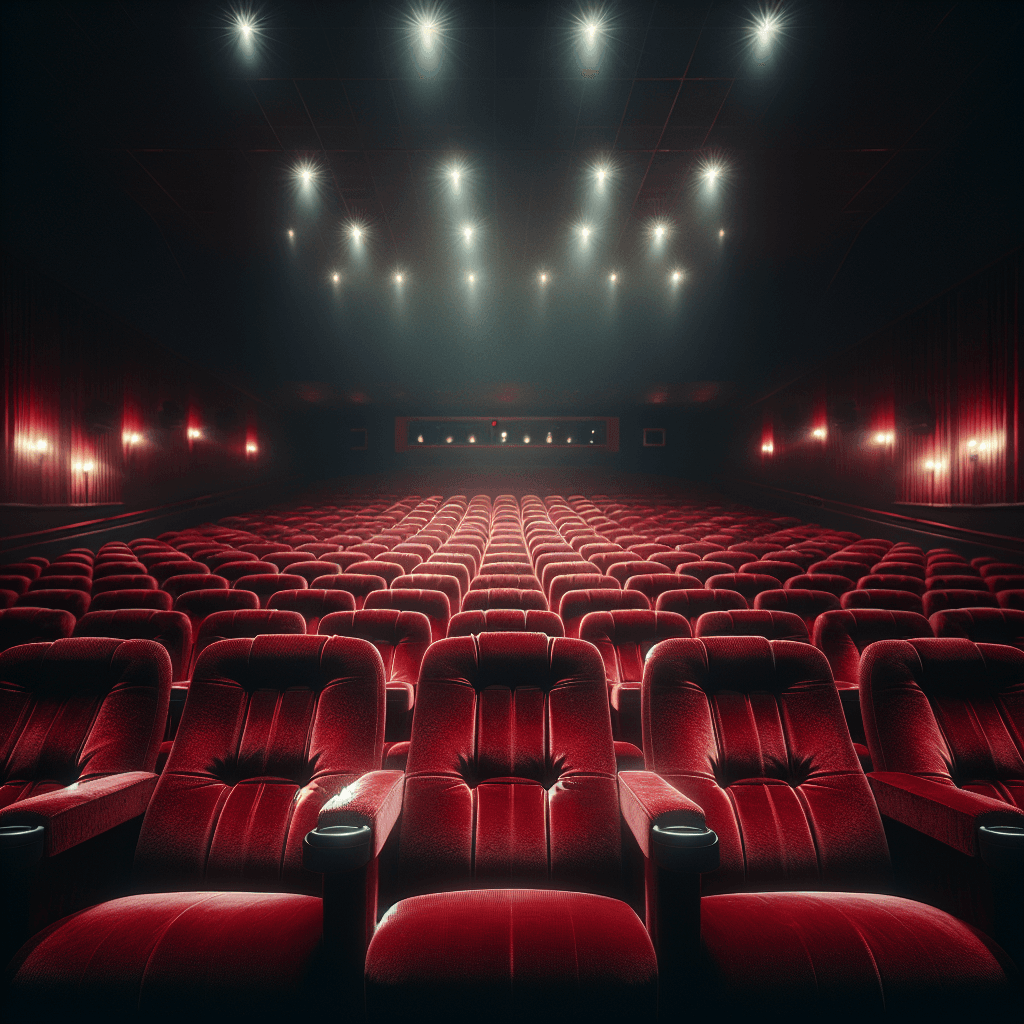
Step into any cinema around the world, and you are likely to be greeted by rows of plush, crimson seats. While we often associate this aesthetic with the glamour of old Hollywood or the prestige of grand opera houses, the choice of color is far from a mere stylistic preference. There is a profound scientific reason behind the ubiquity of red upholstery in darkened theaters.
As the lights dim and the trailers begin, the vibrant red of the seating seems to vanish, blending seamlessly into the darkness. This phenomenon is not a trick of the mind but a result of the way the human eye processes light and color in low-visibility environments. Understanding why red is the industry standard requires a dive into the biology of vision and a specific physiological occurrence known as the Purkinje effect.
The Purkinje Effect: How We See in the Dark
The primary scientific driver behind red theater seats is the Purkinje effect (or Purkinje shift). Named after the Czech anatomist Johannes Purkinje, who discovered it in 1819, this principle describes how the human eye’s sensitivity to different colors changes based on the level of ambient light.
In well-lit conditions, known as photopic vision, our eyes are most sensitive to the yellow-green part of the light spectrum. However, as light levels drop and we enter scotopic vision, our eyes shift their sensitivity toward the blue end of the spectrum. During this transition, red is the very first color to lose its "vibrancy." As the lights in a theater go down, red objects lose their saturation faster than blue or green objects, appearing almost black to the human eye.
Rods, Cones, and Wavelengths
To understand why this happens, we must look at the photoreceptors in our retinas:
- Cones: These function best in bright light and are responsible for our ability to see fine detail and a full spectrum of colors.
- Rods: These are highly sensitive to light and allow us to see in near-darkness, but they do not process color well and have a peak sensitivity to shorter wavelengths (blues and greens).
Red light has the longest wavelength in the visible spectrum (approximately 620–750 nanometers). Because rods are essentially "blind" to long-wavelength red light, using red seats ensures that once the room is dark, the seats do not stimulate the rods. This allows the seats to "disappear" into the shadows, preventing visual distractions and ensuring the audience's focus remains entirely on the brightly lit screen.
Enhancing the Immersive Experience
If theater seats were blue or green, they would remain visible much longer as the lights dimmed. Because our rods are more sensitive to those shorter wavelengths, blue seats would appear as a glowing, ghostly grey or blue even in low light. This would create a "visual noise" that could pull a viewer’s attention away from the film. By utilizing red, theaters leverage the biology of our eyes to create a more immersive environment.
Furthermore, red light is less likely to "bleach" our night vision. This is why many cockpit instruments and flashlights used by astronomers are red; they allow the user to see without causing the pupils to contract or ruining the eye's adaptation to the dark. In a cinema, if you have to look away from the screen for a moment, the red environment helps your eyes remain adjusted to the darkness of the room.
The Historical and Practical Influence
While the science of the Purkinje effect validates the choice today, history also played a significant role. Before the advent of film, Italian opera houses were the pinnacle of entertainment. Red was traditionally the color of choice for these venues because it signified wealth, prestige, and royalty. When the first movie palaces were built, architects mimicked the aesthetic of these grand theaters to give cinema a sense of legitimacy and importance.
Additionally, red fabric offers a practical advantage: it is remarkably efficient at hiding stains. In a high-traffic environment where spilled soda and snacks are common, red upholstery maintains its appearance longer than lighter or more vibrant colors might.
Conclusion
The choice of red for movie theater seats is a perfect intersection of history, practicality, and biological science. By utilizing the Purkinje effect, theaters ensure that the seats effectively vanish as soon as the lights go down, allowing our eyes to focus entirely on the cinematic story unfolding before us. The next time you sit down to watch a blockbuster, you can appreciate that those crimson chairs are doing more than just looking classic—they are scientifically engineered to help you get lost in the dark.