
Why are cashews never sold in shells because their hulls contain the same toxic oil as poison ivy
Ever wonder why you’ll never find a cashew in its shell? This beloved snack hides a dangerous secret—a toxic resin shared by poison ivy that makes its raw casing a skin-blistering hazard.

Too Long; Didn't Read
Cashews are never sold in their shells because the hulls contain urushiol, the same toxic oil found in poison ivy. Touching or consuming raw shells can cause severe skin irritation and chemical burns, so the nuts must be professionally roasted and shelled to ensure they are safe for consumers.
The Toxic Truth: Why are cashews never sold in shells because their hulls contain the same toxic oil as poison ivy?
When you browse the snack aisle, you will find peanuts, pistachios, and walnuts sold in their natural shells. However, you have likely noticed that cashews are only ever available pre-shelled, usually roasted or "raw" in a bag. Have you ever wondered why you cannot buy them in their original casing to crack open yourself? The answer is not a matter of convenience or marketing; it is a vital safety precaution. The primary reason why are cashews never sold in shells because their hulls contain the same toxic oil as poison ivy?
In this post, we will explore the botanical biology of the cashew, the chemical dangers hidden within its shell, and the intensive processing required to make this popular snack safe for human consumption.
The Botanical Connection: More Than Just a Nut
To understand the danger of the cashew shell, we must first look at its family tree. The cashew tree (Anacardium occidentale) belongs to the Anacardiaceae family. This botanical family is notorious for producing a potent allergen known as urushiol. If that name sounds familiar, it is because urushiol is the exact same organic oily resin found in poison ivy, poison oak, and poison sumac.
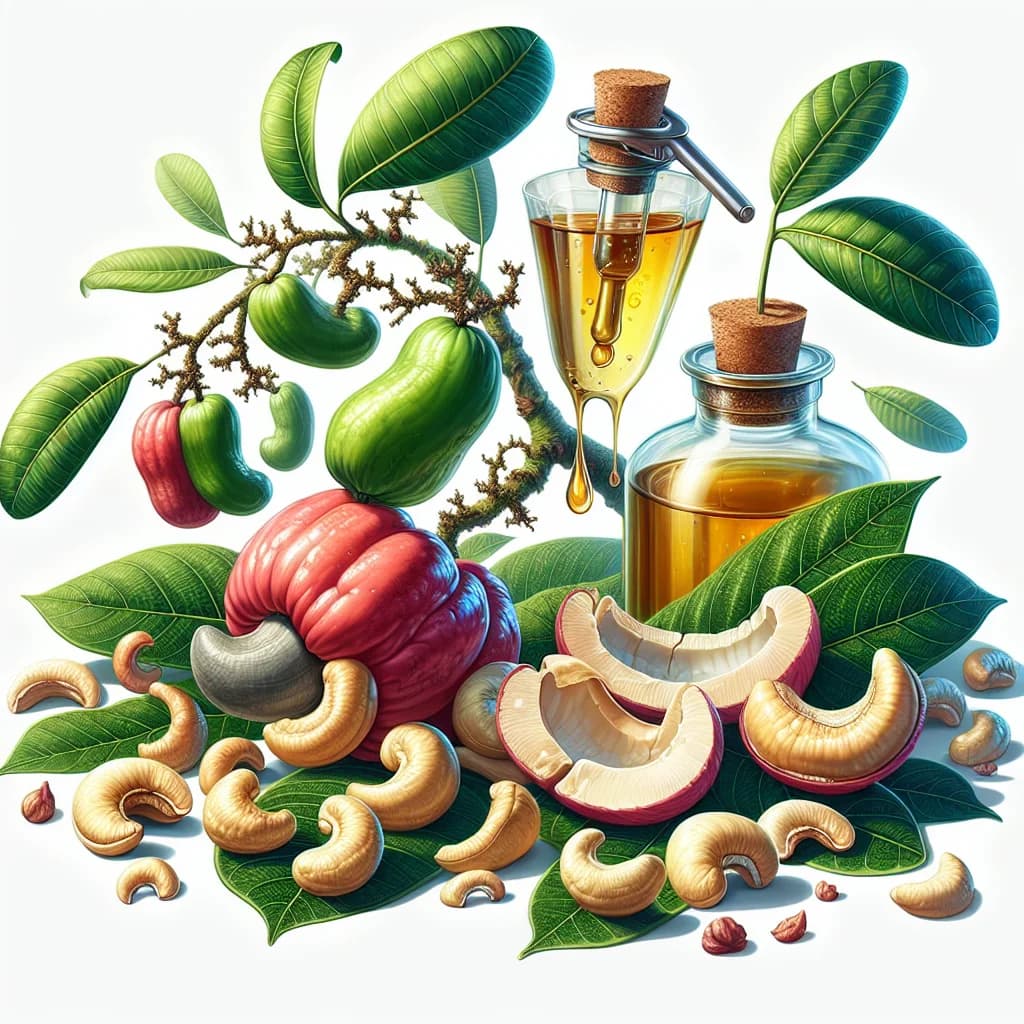
While we classify cashews as "nuts" for culinary purposes, they are botanically considered "drupes." They grow at the base of a fleshy, pear-shaped accessory fruit known as the cashew apple. Unlike a walnut, where the edible portion is safely encased in a non-toxic husk, the cashew seed is protected by a double shell that is saturated with "Cashew Nut Shell Liquid" (CNSL), which is rich in urushiol.
Why Urushiol is a Serious Hazard
Urushiol is an incredibly potent skin irritant. According to botanical research, even a microscopic amount—less than the size of a grain of salt—can cause a severe allergic reaction (dermatitis) in the majority of the human population.
The Effects of Contact
When humans come into contact with the raw oil from a cashew shell, the results are identical to a severe poison ivy rash:
- Intense Itching: The immune system reacts violently to the oil.
- Blistering and Inflammation: Skin contact leads to painful, fluid-filled bumps.
- Respiratory Issues: If the shells are burned, the urushiol can become airborne. Inhaling the smoke can cause severe internal inflammation of the lungs, which can be life-threatening.
Because the concentration of urushiol in cashew hulls is so high, handling them without specialized equipment and training is a significant health risk. This is the fundamental reason you will never see them sold in shells at a local grocery store.
The Intensive Process of Making Cashews Safe
Since the shells are toxic, how do they get from the tree to your pantry? The process is complex and labor-intensive, requiring multiple stages to neutralize the toxins.
- Roasting or Steaming: High heat is the only way to effectively break down the urushiol. The raw drupes are typically roasted or steamed at high temperatures to "deactivate" the oil.
- Mechanical or Manual Shelling: Once the oil is neutralized, the outer shell must be removed. In many parts of the world, this is still done by hand. Workers often have to wear protective gloves or coat their hands in other oils (like castor oil) to prevent any remaining resin from damaging their skin.
- Drying and Peeling: After the outer shell is gone, a thin skin (the testa) remains. The seeds are dried and this skin is peeled off.
- Final Grading: Only after these steps is the "nut" finally safe to be packaged and sold.
The "Raw" Cashew Myth
It is important to note that the "raw" cashews sold in health food stores are not truly raw in the biological sense. If they were, they would still contain toxic residues. These cashews have been steamed or treated with enough heat to remove the urushiol while maintaining the flavor and texture that consumers associate with "raw" products.
Conclusion
The reason why are cashews never sold in shells because their hulls contain the same toxic oil as poison ivy? is a matter of public health. The presence of urushiol makes the raw outer casing of the cashew a dangerous material that requires industrial-grade heat treatment to neutralize. Without this rigorous processing, the simple act of cracking open a cashew could result in a trip to the emergency room.
Understanding the labor and safety protocols involved in bringing cashews to market gives us a greater appreciation for this unique snack. The next time you enjoy a handful of cashews, you can do so with the knowledge that a great deal of care went into ensuring they are perfectly safe to eat. For those with extreme sensitivities to poison ivy, always ensure you purchase cashews from reputable sources that guarantee proper processing.


