
Why are commercial pilots and their co-pilots often required to eat completely different meals during a flight
In the cockpit, a shared menu is a high-stakes safety risk that airlines simply can’t afford to take. Discover the fascinating reason why pilots are strictly forbidden from eating the same meal and how this one rule keeps thousands of passengers safe every day.

Too Long; Didn't Read
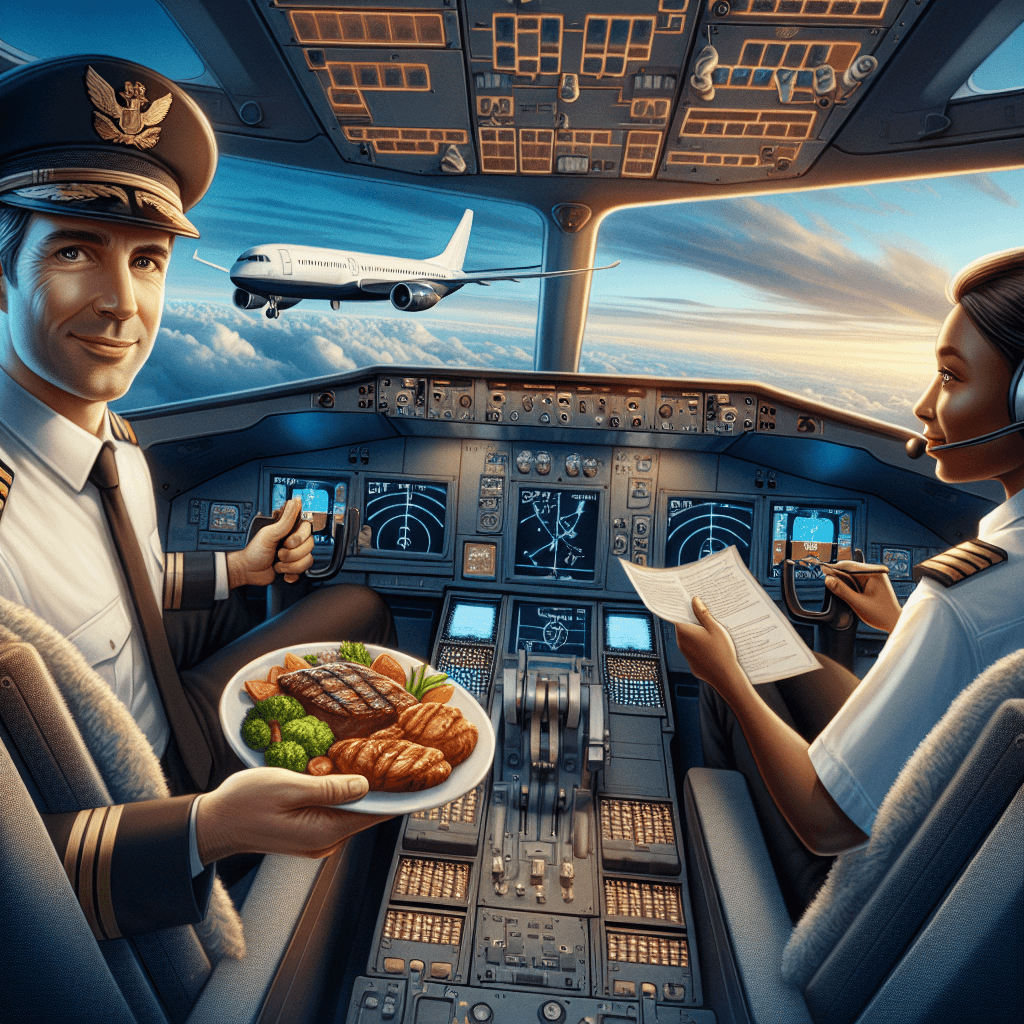
Pilots and co-pilots eat different meals to prevent simultaneous food poisoning. This safety protocol ensures that if one pilot becomes incapacitated by a meal, the other remains healthy and capable of flying the aircraft.
Safety in the Sky: Why Are Commercial Pilots and Their Co-pilots Often Required to Eat Completely Different Meals During a Flight?
Imagine you are cruising at 35,000 feet, enjoying the smooth hum of a jet engine, when suddenly both the captain and the first officer become incapacitated due to severe food poisoning. While this sounds like the plot of a Hollywood disaster movie, it is a scenario that the aviation industry takes very seriously. To prevent such a catastrophe, a unique and long-standing protocol exists within the flight deck.
But why are commercial pilots and their co-pilots often required to eat completely different meals during a flight? The answer lies in a sophisticated approach to risk management and the principle of redundancy. This blog post explores the safety regulations, historical precedents, and operational procedures that ensure the two people at the controls remain healthy and alert throughout the journey.
The Core Rationale: Preventing Simultaneous Incapacitation
The primary reason for this dietary segregation is to mitigate the risk of foodborne illness affecting both pilots at the same time. In aviation, safety is built upon the concept of redundancy; if one system fails, another is available to take its place. This philosophy extends to the "human systems" in the cockpit.
If both the pilot and co-pilot were to consume the same contaminated meal—perhaps containing undercooked seafood or spoiled dairy—they could both fall ill simultaneously. Even a mild case of food poisoning can cause dizziness, nausea, and impaired judgment, while severe cases could lead to total incapacitation. By ensuring they eat different dishes, airlines guarantee that if one pilot is affected by a "bad meal," the other remains healthy and capable of flying the aircraft and landing it safely.
Is it a Law or a Policy?
While many believe this is a strict federal law mandated by organizations like the Federal Aviation Administration (FAA) or the European Union Aviation Safety Agency (EASA), it is actually more common as an internal Standard Operating Procedure (SOP).
- Airline Policy: Most major commercial airlines around the world have their own strict rules regarding crew meals. These are written into the airline’s operations manual, which pilots are required to follow.
- Regulatory Guidance: While the FAA does not explicitly forbid pilots from eating the same meal in its federal regulations, it strongly recommends that airlines implement such policies to ensure the highest level of safety.
- The "Captain’s Choice": In practice, the captain is typically given the first choice of the available meals, and the first officer is then required to choose a different option.
Historical Context and Real-World Incidents
The necessity of this rule is not merely theoretical. History provides several examples of why this protocol is essential. According to data from various aviation safety reports, cases of food poisoning among crew members have occurred more often than one might expect.
One of the most famous incidents occurred in 1982 on a flight from Lisbon to Boston. Over 150 passengers and several crew members, including the pilot, co-pilot, and flight engineer, fell ill after eating contaminated tapioca pudding. Fortunately, the symptoms developed at different rates, allowing the flight to land safely. However, this incident served as a wake-up call for the industry, reinforcing the need for meal diversification.
How the Protocol is Implemented
The logistics of pilot meals are handled with precision by airline catering services. Here is how the process usually works:
- Diversified Catering: Flight kitchens prepare a variety of meal types (e.g., chicken, beef, pasta) specifically for the flight deck to ensure options are always available.
- Staggered Eating Times: In addition to eating different foods, many airlines encourage pilots to eat at different times. This ensures that if a meal does cause an immediate reaction, the second pilot hasn't even started eating yet.
- Source Variation: On some long-haul flights, pilots may even be encouraged to eat meals sourced from different catering facilities if the flight involves multiple stops.
Beyond Food Poisoning: General Health and Alertness
While preventing food poisoning is the main goal, different meals also help manage the general well-being of the crew. Airlines often provide "crew meals" that are nutritionally balanced to prevent the "sugar crashes" associated with high-carbohydrate or heavily processed foods. By offering a variety of proteins and vegetables, airlines help pilots maintain the steady energy levels required for high-stakes decision-making during takeoff and landing.
Conclusion
The requirement for pilots and co-pilots to eat different meals is a testament to the "safety-first" culture of the aviation industry. It is a simple yet highly effective way to eliminate a single point of failure in the cockpit. By recognizing that even the most highly trained professionals are susceptible to biological risks like foodborne illness, airlines add an extra layer of protection for the hundreds of passengers on board.
Next time you see the flight attendants bringing trays into the cockpit, you can rest assured that the varied menu is a deliberate choice designed to keep your flight on a safe and steady course. Understanding these small but vital details helps us appreciate the complex web of protocols that make air travel one of the safest modes of transportation in the world.


