
Why are fire hydrant tops painted specific colors to indicate the available water flow for firefighters
Those vibrant pops of color on fire hydrant tops aren’t for decoration—they’re a life-saving secret code hidden in plain sight. Discover the high-stakes science behind these hues and how they tell firefighters exactly how much water they have to tackle a blaze in a heartbeat.

Too Long; Didn't Read
Fire hydrant tops are color-coded to indicate their specific water flow capacity in gallons per minute. This standardized system allows firefighters to instantly identify which hydrants provide the necessary volume to effectively combat a fire.
Decoding the Rainbow: Why Are Fire Hydrant Tops Painted Specific Colors to Indicate the Available Water Flow for Firefighters?
In the heat of an emergency, every second is a critical resource. When a fire engine screams to a halt in front of a burning building, the crew must make split-second tactical decisions that determine the success of their intervention. One of the most vital pieces of information they need is hidden in plain sight: the color of the fire hydrant. While many people assume these colors are merely aesthetic or represent local city preferences, they actually form a sophisticated visual language. The specific colors on hydrant tops, or "bonnets," are standardized signals that tell firefighters exactly how much water pressure they can expect. Understanding why fire hydrant tops are painted specific colors to indicate the available water flow for firefighters reveals a fascinating intersection of engineering, safety standards, and emergency logistics.
The Standardized Language: NFPA 291
To ensure consistency across different jurisdictions, the National Fire Protection Association (NFPA) developed a specific set of guidelines known as NFPA 291. This document, titled the Recommended Practice for Fire Flow Testing and Marking of Hydrants, establishes a color-coding system based on the hydrant’s flow capacity.
By standardizing these colors, the NFPA ensures that mutual aid departments—firefighters coming from neighboring towns to assist during large-scale emergencies—can immediately recognize the water capabilities of an unfamiliar area. This system classifies hydrants into four distinct categories based on how many gallons per minute (GPM) they can discharge at 20 pounds per square inch (psi) of residual pressure.
Breaking Down the Color Classes
The NFPA 291 system uses four primary colors for the hydrant caps and bonnets. Each color corresponds to a specific "Class" of water flow:
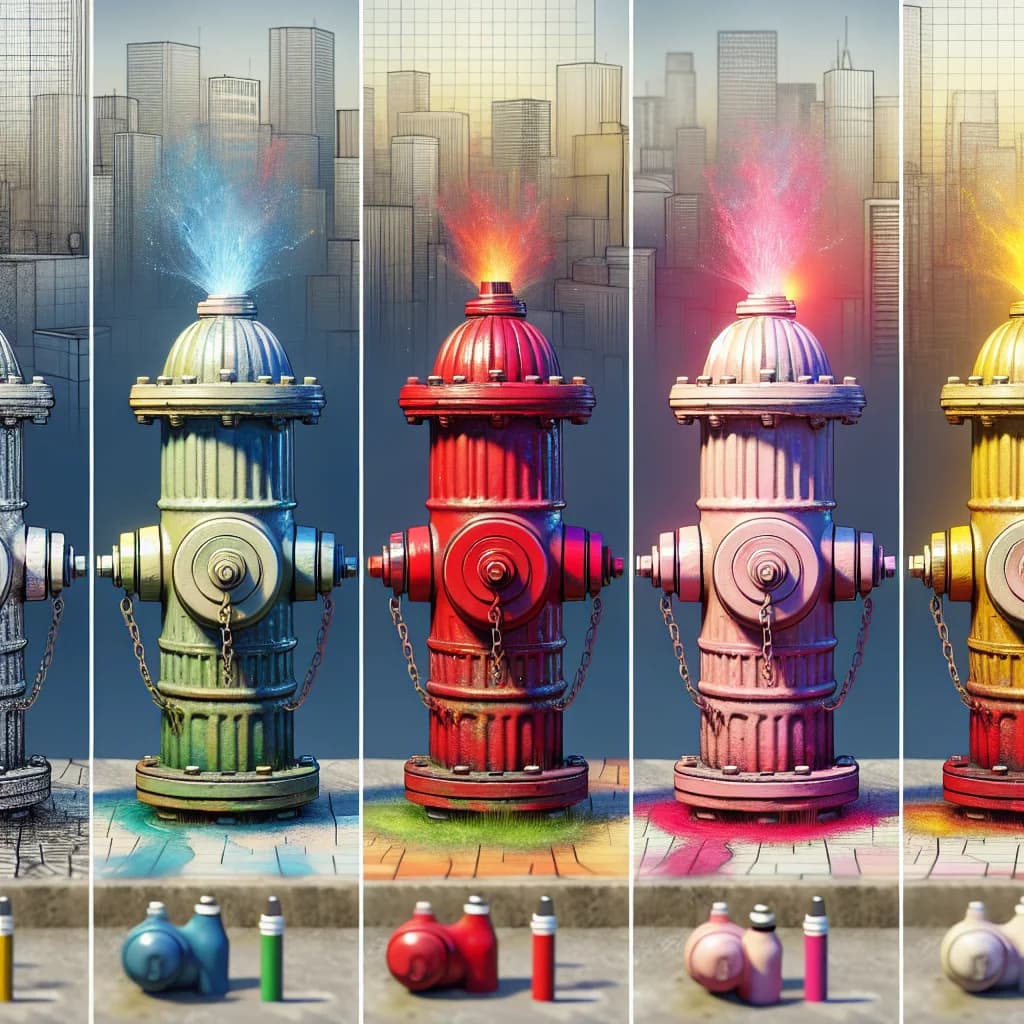
- Light Blue (Class AA): These hydrants are the powerhouses of the system. They provide a flow of 1,500 GPM or greater. Firefighters seek these out for massive industrial fires or large commercial complexes where high volumes of water are necessary to suppress the flames.
- Green (Class A): These hydrants offer a flow of 1,000 to 1,499 GPM. This is generally considered excellent flow for most residential and moderate commercial firefighting needs.
- Orange (Class B): These hydrants provide a flow of 500 to 999 GPM. While still useful, firefighters must be mindful of their water usage when connected to an orange-topped hydrant, as it may not support multiple heavy-duty hoses simultaneously.
- Red (Class C): These hydrants provide less than 500 GPM. A red-topped hydrant is a warning to the crew that the water supply is limited. These are often used for small residential fires or to protect nearby structures from "heat "exposure" rather than as the primary source for an aggressive interior attack.
Why Speed and Visibility Matter
The primary reason for this color-coding is tactical efficiency. When a fire captain arrives on the scene, they must calculate "pump management." If they hook up to a Red (Class C) hydrant but attempt to run three high-pressure hoses, they risk "dropping the head"—essentially sucking the water main dry or causing a vacuum that can collapse the underground pipes.
Conversely, knowing a hydrant is Light Blue (Class AA) allows the engineer to confidently supply the ladder pipe (the big nozzle on the top of the truck) without worrying about running out of water. According to fire safety experts, having this information visible from the street allows the driver to position the truck optimally without having to check a map or wait for a radio confirmation from the water department.
Body Color vs. Cap Color
It is important to distinguish between the color of the hydrant's body and its top. While the top (bonnet) and nozzle caps indicate the flow rate, the body color often carries a different meaning:
- Chrome Yellow: Often used for its high visibility at night or in smoky conditions.
- White: Sometimes used to indicate a hydrant on a circular or "looped" main, which provides water from two directions.
- Violet/Purple: Increasingly used to signify that the hydrant dispenses non-potable or reclaimed water, which is not safe for drinking but perfectly fine for firefighting.
- Black: Frequently indicates a "dead-end" main or a hydrant that is currently out of service.
Conclusion
The colorful tops of fire hydrants are far more than a decorative choice; they are a critical component of public safety infrastructure. By adhering to the NFPA 291 standards, municipalities provide firefighters with the "at-a-glance" data they need to manage water resources effectively during the most stressful moments of their jobs. From the high-powered Light Blue hydrants to the limited-capacity Red ones, these colors prevent equipment damage and ensure that water is used strategically to save lives and property. Next time you pass a fire hydrant, take a look at its cap—you are looking at a vital piece of communication that keeps your community safe. If you want to learn more about fire safety in your specific area, consider contacting your local water authority to ask about their specific marking protocols.


