
Why are modern car headrests angled so uncomfortably forward
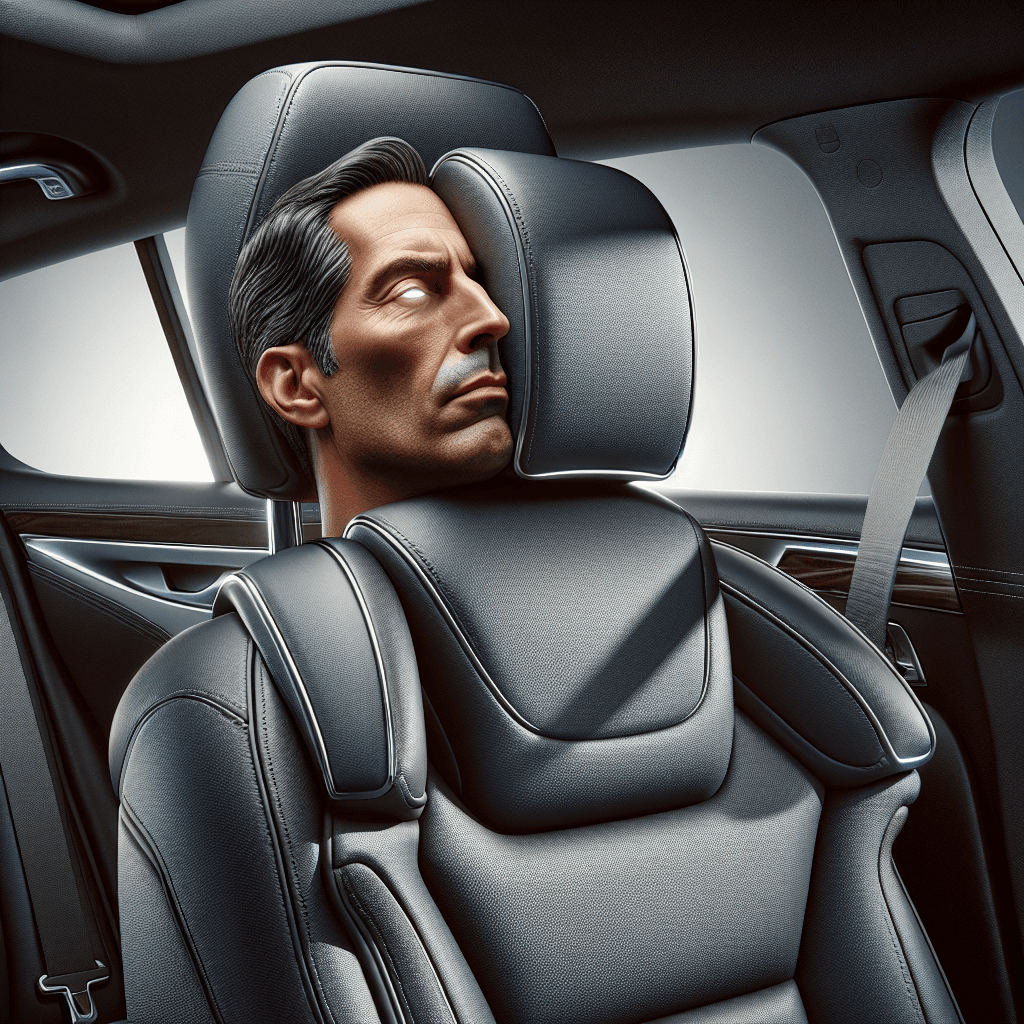
That aggressive forward tilt in your car's headrest isn't a design flaw; it's a crucial, misunderstood safety feature designed to save you from a single, violent injury.

Too Long; Didn't Read
TLDR: They are actually head restraints, not headrests. The forward angle is a legally required safety feature to prevent whiplash in a rear-end collision by catching your head sooner. The discomfort is often due to poor posture; sitting up straighter helps align your head properly with the restraint.
Safety Over Comfort? Unpacking Why Modern Car Headrests Are Angled So Uncomfortably Forward
Ever settled into the driver's seat of a newer car and felt like you were being pushed into a slouch? You adjust your seat, you try to sit up straight, but the headrest seems determined to nudge your head forward, creating a gap between your back and the seat. You're not imagining it, and it’s not a design flaw. This seemingly uncomfortable angle is a deliberate and crucial safety feature. While many of us call it a "headrest," its official name is "head restraint," a term that perfectly captures its true purpose. This post will explore the science and regulations behind this design, explaining why your comfort sometimes takes a backseat to your safety.
The Main Driver: Preventing Whiplash Injury
The primary reason for the aggressive forward angle of modern head restraints is to prevent or reduce the severity of whiplash in a rear-end collision. Whiplash is a neck injury caused by a forceful, rapid back-and-forth movement of the neck, like the cracking of a whip.
Here’s what happens during a rear-end impact:
- The car seat violently pushes your torso forward.
- Your head, being heavier and not in direct contact with the seat, lags behind for a split second.
- This delay causes your neck to hyperextend backward before snapping forward.
This violent motion can strain or tear the muscles and ligaments in your neck, leading to significant pain and long-term complications. An effectively designed head restraint is meant to "catch" your head as it moves backward, minimizing the hyperextension and reducing the force of the whiplash effect.
It's the Law: How Safety Regulations Shaped Your Headrest
This design isn't just a good idea from automakers; it's a legal requirement. In the late 2000s, organizations like the National Highway Traffic Safety Administration (NHTSA) in the United States updated their safety standards to combat the high incidence of whiplash injuries.
The key regulation is the Federal Motor Vehicle Safety Standard (FMVSS) 202a. This standard mandates specific geometric requirements for head restraints in new vehicles. The most critical measurement is the "backset"—the horizontal distance between the back of your head and the front of the head restraint. To be effective, this distance must be minimal. The regulation requires the backset to be 55 millimeters (about 2.2 inches) or less for the average person.
To meet this strict requirement for a wide range of driver sizes and seating postures, engineers must angle the head restraint forward. If it were perfectly vertical, most drivers would be too far away from it to receive protection in a crash. This forward-leaning design ensures that for the majority of occupants, the head is already close to the restraint, ready to be supported almost instantly in a rear-end collision.
Finding Comfort Without Compromising Safety
While you can't change the angle of the head restraint itself (in most vehicles), you can make adjustments to improve your driving posture and comfort.
- Check the Height: The most important adjustment is height. The top of the head restraint should be about level with the top of your head, or at the very least, not below your eye level. A restraint that is too low can act as a fulcrum during a crash, potentially increasing the severity of a neck injury.
- Adjust Your Seat Recline: The root of the discomfort is often the relationship between the seatback and the head restraint. Try reclining your seatback by a few degrees. This slight change can move your entire upper body back, creating more space for your head without compromising your view of the road or access to the controls.
- Re-evaluate Your Posture: Many of us have a "forward head posture" from leaning over desks and phones. The head restraint's position can feel especially intrusive if you naturally carry your head forward. Focusing on sitting with your back and shoulders fully against the seat can help align your head with the restraint more comfortably.
- Use Caution with Cushions: While adding a lumbar or neck cushion seems like an easy fix, be aware that it can alter your position in the seat. A thick cushion placed behind your back could push you forward, increasing the backset distance and negating the head restraint's safety benefit.
A crucial warning: Never turn the head restraint around. While this may feel more comfortable, it completely defeats its safety purpose and makes you far more vulnerable to a severe whiplash injury.
Conclusion
That forward-jutting headrest might be one of the more noticeable annoyances in modern vehicle design, but its purpose is lifesaving. Mandated by strict federal safety standards, its angle is precisely calculated to minimize the dangerous gap between your head and the restraint, providing critical protection against whiplash. While the design prioritizes safety over customized comfort, understanding its function is the first step toward finding a better driving position. The next time you get in your car, take a moment to adjust your seat and head restraint properly. You’ll not only find a more comfortable posture but also ensure you’re getting the full safety benefit from this vital, if misunderstood, piece of engineering.


