
Why are movie theater seats traditionally red because red is the first color to disappear in low light
Ever wonder why cinema seats are almost always red? Discover the fascinating science behind the color that "vanishes" the moment the lights dim to keep your eyes glued to the screen.

Too Long; Didn't Read
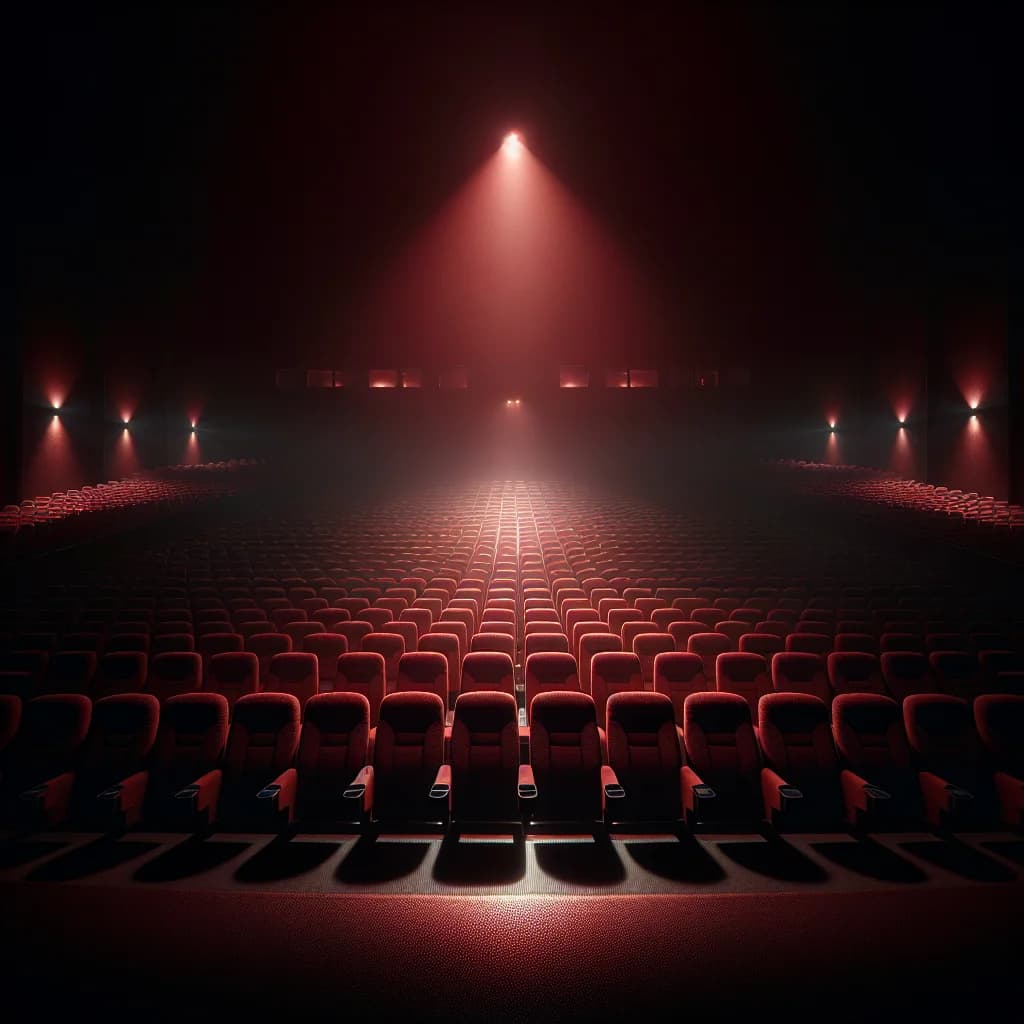
Movie theaters use red seats because of the Purkinje effect, which makes red the first color to disappear from human vision as light levels drop. This helps the seats blend into the darkness, minimizing visual distractions and ensuring the audience stays focused on the screen.
Seeing in the Dark: Why Are Movie Theater Seats Traditionally Red Because Red Is the First Color to Disappear in Low Light?
Imagine walking into a dimly lit cinema. The smell of buttered popcorn fills the air, and you navigate your way toward rows of plush, crimson chairs. Have you ever paused to wonder why that specific shade of deep red is the universal industry standard? It is not merely a stylistic choice or a lingering trend from the days of old-world opera houses. While aesthetics do play a role, the primary reason involves a fascinating biological phenomenon regarding how our eyes process color. Understanding why movie theater seats are traditionally red because red is the first color to disappear in low light reveals a perfect harmony between human physiology and architectural design. This post explores the science and history behind this cinematic staple.
The Science of the Purkinje Effect
The most compelling reason for red seating is rooted in the Purkinje Effect. Named after the Czech anatomist Johannes Purkinje, who discovered the phenomenon in the 19th century, this effect describes how human color perception shifts as light levels drop.
Our eyes utilize two types of photoreceptors: cones and rods.
- Cones function best in bright light and allow us to see fine details and a full spectrum of colors.
- Rods are much more sensitive to light and take over in dim environments (scotopic vision), but they do not perceive color well.
According to research into human optics, as the lights dim, our sensitivity shifts toward the blue end of the spectrum. Conversely, our eyes lose the ability to see red more quickly than any other color. In a low-light environment like a movie theater, red objects appear to turn black or dark grey faster than blue or green objects would. This "disappearing act" ensures that the seats do not reflect light from the screen back at the audience, allowing the viewer to remain fully immersed in the film.
Historical Prestige and the Influence of Opera
While the science justifies the modern use of red, the tradition began long before scientists fully understood the Purkinje Effect. Historically, movie theaters were modeled after grand European opera houses.
In the 18th and 19th centuries, red and gold were the quintessential colors of royalty and luxury. Italian opera houses, such as the Teatro alla Scala, popularized the use of red velvet upholstery. Because the early film industry sought to elevate cinema from a "cheap nickelodeon" hobby to a prestigious cultural event, architects adopted the lush red fabrics of the theater world. This tradition stuck, creating a visual shorthand for "showtime" that persists in modern multiplexes today.
Practical Benefits of the Color Red
Beyond biology and history, theater owners favor red for several practical reasons related to maintenance and durability:
- Camouflaging Wear and Tear: Deep red is an excellent color for hiding stains, spills, and the general "scuffing" that occurs in high-traffic public spaces.
- Light Absorption: Unlike lighter colors like tan or white, which would bounce light from the screen and create a glare, red absorbs light effectively, keeping the room as dark as possible.
- Psychological Comfort: Psychologically, deep reds are often associated with warmth and comfort, making the theater feel like a cozy, inviting environment despite its large, cavernous size.
Comparison: Why Not Other Colors?
If the goal is simply to make seats "disappear," one might wonder why theater designers don't use blue or green. The answer lies back with the Purkinje Effect. In low light, the human eye is actually more sensitive to blue and green wavelengths.
If a theater had bright blue seats, they would appear to "glow" or stand out in the peripheral vision of the audience even after the lights were turned off. This would create a significant visual distraction. Red is the only primary color that offers the dual benefit of looking luxurious in the light and becoming invisible in the dark.
Conclusion
The choice of theater seating is a masterclass in functional design. By understanding why movie theater seats are traditionally red because red is the first color to disappear in low light, we can appreciate the subtle engineering that goes into the movie-going experience. This tradition bridges the gap between the opulent history of Italian opera and the biological realities of the human eye.
The next time you settle into a crimson chair and the lights begin to fade, notice how the vibrant red seems to vanish into the shadows. It is a deliberate design choice intended to ensure that nothing—not even the chair you are sitting in—distracts you from the magic happening on the silver screen. For those interested in the intersection of science and design, the cinema remains a perfect place to witness these principles in action.


