Why are movie theater seats usually red so that color can vanish first in low light
Ever wonder why movie theater seats are almost always red? It’s actually a brilliant scientific trick designed to make the furniture "vanish" the moment the lights dim, ensuring your eyes stay glued to the screen.

Too Long; Didn't Read
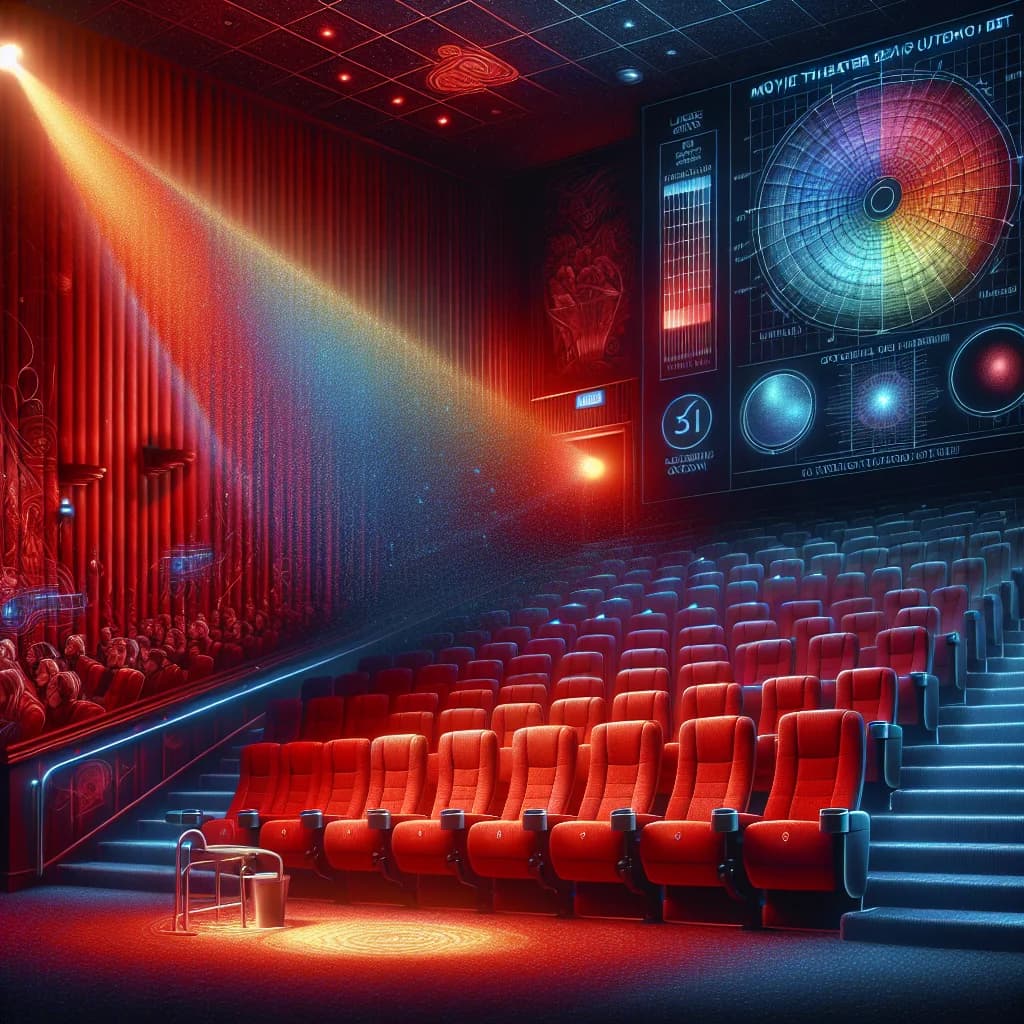
Movie theaters use red seats because red is the first color to disappear from human sight in low-light conditions. Known as the Purkinje effect, this phenomenon allows the seating to blend into the darkness once the lights dim, ensuring the audience remains focused on the screen without visual distractions.
Why Are Movie Theater Seats Usually Red? How the Purkinje Effect Makes This Color Vanish First in Low Light
Have you ever wondered why, regardless of whether you are in a historic opera house or a modern multiplex, the seating is almost always a deep shade of red? While it might seem like a simple design choice intended to evoke a sense of luxury or tradition, there is a fascinating scientific reason behind this color palette. The choice of red is not merely about aesthetics; it is a functional decision designed to optimize your viewing experience.
The primary reason movie theater seats are usually red is so that the color can vanish first in low light, minimizing visual distractions. This phenomenon is rooted in the way the human eye processes light and color, specifically through a biological process known as the Purkinje effect. This blog post will explore the historical, psychological, and physiological reasons why red remains the gold standard for cinema seating.
The Historical Influence: From Opera Houses to Cinemas
Before the invention of motion pictures, the world of performance was dominated by grand opera houses and theaters. During the 19th century, red was the color of choice for these venues because it symbolized prestige, wealth, and royalty. Velvet red upholstery and gold trimmings became the hallmark of a high-end theatrical experience.
When the first movie theaters began to emerge in the early 20th century, architects and designers looked to these prestigious opera houses for inspiration. They wanted to imbue the new medium of film with the same sense of importance and luxury. However, as the industry matured, researchers and theater owners discovered that red offered a significant technical advantage over other colors: it enhanced the audience's ability to focus on the screen.
The Science of Sight: The Purkinje Effect
The most compelling reason for red seating is a physiological phenomenon called the Purkinje effect (or the Purkinje shift). Discovered by Czech anatomist Johannes Purkinje in 1819, this effect describes how the human eye’s sensitivity to different colors changes depending on the level of illumination.
To understand why movie theater seats are usually red so that the color can vanish first in low light, we must look at how our eyes function:
- Photopic Vision (Bright Light): In well-lit environments, our eyes use "cones" to perceive colors. During this state, our eyes are most sensitive to the yellow-green part of the spectrum.
- Scotopic Vision (Low Light): As the lights dim, our "rods" take over. Rods are highly sensitive to light but do not perceive color well. They are most sensitive to shorter wavelengths, such as blues and greens.
- The Red Disadvantage (The "Vanish" Factor): Red has the longest wavelength in the visible spectrum. As light levels drop, our eyes lose the ability to see red much faster than they lose the ability to see blue or green.
In a darkening theater, red is the first color to "lose" its vibrancy, appearing black or dark grey to the human eye. This allows the seats to effectively disappear from the viewer's peripheral vision, ensuring that the only thing catching the eye is the brightly lit screen.
Minimizing Distractions and Enhancing Contrast
If theater seats were blue or green, they would appear brighter and more "glowing" in the dim light of a movie, potentially distracting the viewer from the film. By using red, theater designers leverage human biology to create a more immersive environment.
The benefits of this color choice include:
- Peripheral Focus: Because red fades into darkness, it prevents the audience from being distracted by the movement or presence of other people in their peripheral vision.
- Light Absorption: Red fabrics, especially velvet, tend to absorb light rather than reflect it back toward the screen, which helps maintain the high contrast and color accuracy of the projected image.
- Psychological Comfort: Psychologically, deep reds are often associated with comfort and warmth, creating a cozy atmosphere that encourages viewers to settle in for a long feature.
Practical Considerations and Maintenance
Beyond the science of light, there are practical reasons for the persistence of red seating. Movie theaters are high-traffic environments where spills and wear are inevitable.
- Hiding Wear and Tear: While black or dark blue could also hide stains, red is particularly effective at masking "common" theater messes in dim lighting.
- Durability of Pigment: Traditionally, red dyes were robust and held their color well under the heavy cleaning and use required in public spaces.
Conclusion
The ubiquity of red seating in cinemas is a perfect marriage of history and science. While the tradition began as an imitation of the opulence found in European opera houses, it has persisted because it aligns perfectly with human physiology. By understanding that movie theater seats are usually red so that the color can vanish first in low light, we can appreciate the subtle engineering that goes into every cinematic experience.
The next time the lights dim and the red chairs around you seem to fade into the shadows, you’ll know it’s the Purkinje effect at work, ensuring that your focus remains exactly where it belongs: on the magic of the silver screen. For those interested in the intersection of design and science, the humble theater seat serves as a classic reminder that even the simplest choices often have a brilliant functional purpose.