
Why are some animals born already pregnant
It's a bizarre biological marvel that sounds like science fiction: a creature born already carrying its developing daughters, who are, in turn, carrying their own.

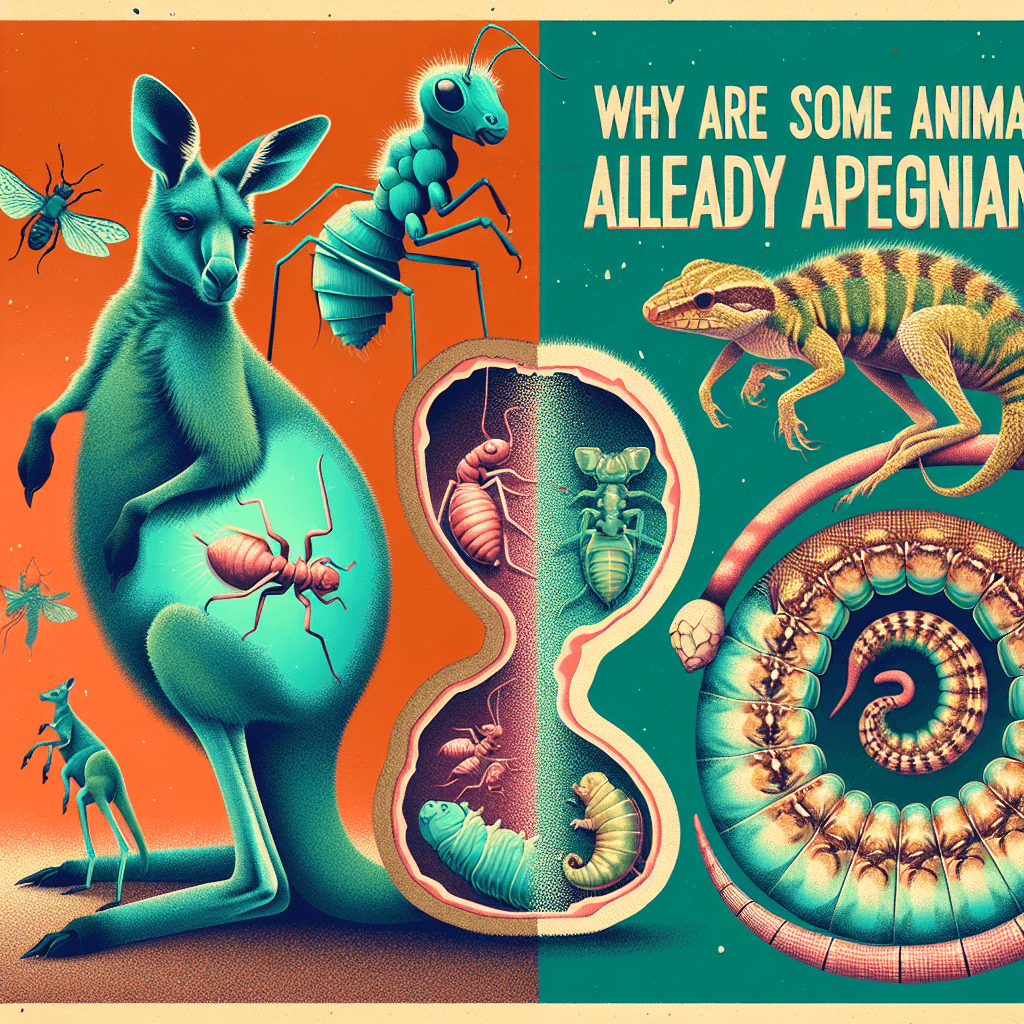
Too Long; Didn't Read
Some animals, mainly aphids, use a method called telescoping generations. A female is born with her own daughters already developing inside her, who in turn are already developing the granddaughters. This rapid cloning strategy allows their population to explode when conditions are ideal.
Pregnant at Birth: Why Are Some Animals Born Already Pregnant?
Imagine a newborn that is already carrying its own developing child. It sounds like something straight out of a science fiction novel, but for a select few creatures on our planet, this is a biological reality. This bizarre yet fascinating reproductive strategy allows certain species to multiply at an astonishing rate, turning a single individual into a thriving colony in the blink of an eye. This phenomenon, known as telescoping generations, is one of nature's most efficient and mind-bending tricks. This post will delve into the world of these remarkable animals, exploring what it means to be born pregnant and the powerful evolutionary advantages that drive this incredible strategy.
The "Russian Doll" of Reproduction: What is Telescoping Generations?
At its core, being "born pregnant" is a phenomenon called telescoping generations. The name itself paints a vivid picture: one generation is "telescoped" inside the previous one, much like a set of Russian nesting dolls.
This process is a specialized form of parthenogenesis, which is a type of asexual reproduction where an embryo develops without fertilization from a male. In the case of telescoping generations, a female is not just born with unfertilized eggs; she is born with live, developing daughters inside of her. Even more astonishingly, those developing daughters are already carrying the embryos of the next generation—the granddaughters of the original mother. This means a single female can simultaneously house two future generations within her body. The offspring are essentially clones, genetically identical to their mother.
The Aphid Anomaly: A Prime Example
When discussing telescoping generations, one animal stands out as the poster child: the aphid. These tiny, sap-sucking insects are masters of rapid reproduction, and their ability to be born pregnant is the key to their success.
During the warm, bountiful months of spring and summer, female aphids capitalize on the abundance of plant life by reproducing asexually. A mother aphid gives live birth to a daughter that is not only a perfect genetic copy of herself but is also already pregnant with the next generation of daughters. This eliminates the time and energy needed for mating, gestation, and egg-laying, creating an incredibly efficient production line of new aphids. It's not uncommon for a single aphid to give rise to a colony of thousands within just a few weeks. Interestingly, as autumn approaches and resources dwindle, many aphid species switch to sexual reproduction to create genetically diverse eggs that are better equipped to survive the harsh winter.
Why Be Born Pregnant? The Evolutionary Edge
This reproductive strategy might seem strange, but it offers a significant competitive advantage in the right environment. The primary benefits include:
- Explosive Population Growth: The ability to bypass traditional reproductive stages allows for an exponential increase in numbers. This is perfect for colonizing a new plant or taking advantage of a short-lived bloom of resources before competitors or predators arrive.
- Maximum Efficiency: Asexual reproduction eliminates the need to find a mate, a process that can be risky and energy-intensive. By producing pregnant offspring, the time between generations is drastically reduced, maximizing output.
- Resource Domination: By quickly establishing a massive population, these animals can effectively monopolize a food source, ensuring their colony thrives.
Beyond Aphids: Other Examples in Nature
While aphids are the most famous example, they aren't entirely alone. This rare and highly specialized strategy has also been observed in a few other invertebrates. Certain species of gall midges—tiny flies that lay their eggs in plants—and some mites have been documented to exhibit similar forms of telescoping generations. In each case, the strategy is linked to environments where food is plentiful but potentially short-lived, making rapid colonization the ultimate key to survival.
Conclusion
The phenomenon of animals being born pregnant is a testament to the incredible diversity and ingenuity of evolution. Telescoping generations, best exemplified by the humble aphid, is not a biological curiosity but a powerful and highly effective strategy for survival and domination. It transforms the act of reproduction into a hyper-efficient assembly line, allowing populations to explode under favorable conditions. This "Russian doll" approach reminds us that in the natural world, the strategies for ensuring the continuation of a species are far more varied and astounding than we could ever imagine.


