
Why are the bandages used in professional kitchens almost always bright blue
Ever wonder why professional chefs always sport neon blue bandages instead of skin-toned ones? It isn’t a fashion statement—it’s a high-stakes safety secret that prevents a hidden kitchen mishap from ending up on your plate.

Too Long; Didn't Read
Blue bandages are used in professional kitchens because the color does not occur naturally in most foods, making them easy to spot if they accidentally fall into a dish. Many also contain a metal strip that allows industrial detectors to locate them during food processing.
Safety First: Why Are the Bandages Used in Professional Kitchens Almost Always Bright Blue?
Imagine sitting down for a gourmet meal, only to find a flesh-colored bandage at the bottom of your soup. It is a stomach-churning scenario that represents one of the greatest nightmares for any restaurant owner or chef. In the high-pressure environment of a professional kitchen, where sharp knives and fast movements are the norms, minor nicks and cuts are an occupational hazard. However, the culinary industry has a highly effective, color-coded solution to ensure these accidents don't compromise food safety.
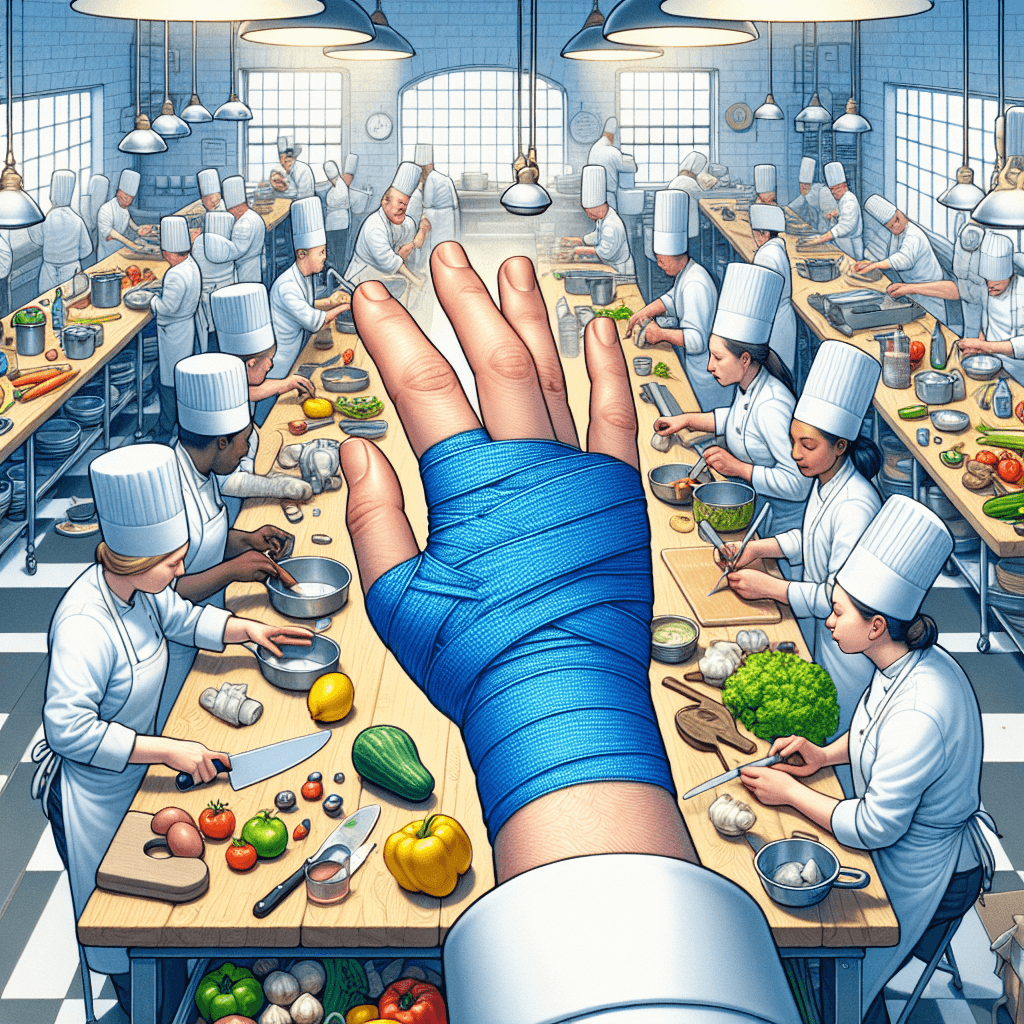
If you have ever peeked into a commercial kitchen or watched a cooking competition, you likely noticed that the chefs aren’t wearing standard tan bandages. Instead, they wear strips of vibrant, "electric" blue. This choice is far from accidental; it is a calculated safety measure. This post explores the functional, technical, and regulatory reasons why the bandages used in professional kitchens are almost always bright blue.
The Science of Visual Contrast
The primary reason for the distinct blue color is simple: visibility. In the world of food, blue is an anomaly. Very few foods occur naturally in a true blue hue. While blueberries and certain potatoes exist, they are often more purple or indigo than the neon blue used for medical supplies.
Standard bandages are designed to blend in with human skin tones, making them "discreet" for everyday use. In a kitchen, discretion is a liability. If a tan bandage falls into a bowl of pasta, a tray of dough, or a container of raw meat, it becomes camouflaged. By using a color that does not naturally occur in most ingredients, kitchen staff can immediately spot a lost bandage before the food ever reaches a customer. This high visual contrast serves as the first line of defense in physical contaminant control.
Metal Detectability: The Hidden Safety Feature
While the color provides a visual safeguard, many professional blue bandages—often referred to as "detectable" bandages—contain a hidden technical feature. Inside the bandage, behind the lint-free wound pad, there is a small strip of metal foil.
In large-scale food manufacturing and industrial bakeries, products pass through highly sensitive metal detectors or X-ray machines before being packaged. According to food safety standards established by organizations like the Global Food Safety Initiative (GFSI), these machines are calibrated to find foreign objects. If a worker loses a bandage in a batch of processed food:
- The metal foil triggers the alarm.
- The conveyor belt stops automatically.
- The contaminated batch is diverted or discarded.
Standard consumer bandages lack this metal component, making them invisible to industrial scanners. For professional environments, the "blue-and-metal" combination ensures that even if a visual check fails, technology will catch the error.
Regulatory Compliance and HACCP Standards
The use of blue bandages is not just a "best practice"—it is often a regulatory requirement. Most professional kitchens operate under a Hazard Analysis Critical Control Point (HACCP) plan. This is a systematic approach to food safety that identifies potential biological, chemical, and physical hazards.
Under HACCP guidelines and many local health department codes, the management of physical contaminants is strictly monitored. Using blue bandages demonstrates a "due diligence" defense. If a health inspector visits a facility, the presence of blue bandages in the first aid kit proves that the establishment is following specialized protocols to prevent physical contamination. Furthermore, many food safety certification bodies, such as ServSafe, specifically teach the importance of using brightly colored, waterproof bandages as part of their core curriculum.
Durability and Hygiene Features
Beyond the color and metal content, blue bandages are engineered specifically for the rigors of kitchen work. They differ from standard household bandages in several key ways:
- Waterproof Materials: Kitchen bandages are typically made of heavy-duty, waterproof plastic or woven fabric. This prevents moisture (from sweat, oils, or washing) from loosening the adhesive.
- Superior Adhesion: They use stronger, medical-grade adhesives to ensure they stay on even when a chef is working over a steaming pot or handling greasy ingredients.
- Latex-Free: To prevent cross-contaminating food with allergens, most professional blue bandages are 100% latex-free.
- The "Finger Cot" Requirement: In most professional settings, a bandage is only the first step. Food safety laws generally require that a bandage on the hand must be covered by a secondary barrier, such as a single-use glove or a "finger cot" (a small rubber sheath), to provide double protection.
Conclusion
The bright blue bandage is a small but mighty symbol of the rigorous safety standards that exist behind the kitchen door. While the color may seem jarring, its purpose is to protect both the consumer and the reputation of the establishment. By prioritizing high visual contrast and metal detectability, the food industry has created a fail-safe system to manage one of the most common physical risks in food preparation.
The next time you spot a chef with a blue-wrapped finger, you can feel a sense of reassurance. It is a clear sign that the kitchen prioritizes transparency, follows international safety protocols, and is committed to ensuring that the only thing you find in your meal is the high-quality food you ordered.


