Why are traditional farm barns almost always painted a specific shade of dark red
It’s the most iconic sight in the countryside, but the secret behind the classic red barn has nothing to do with aesthetics and everything to do with survival. Discover the surprising blend of chemistry and cost-cutting that turned a practical necessity into a timeless tradition.

Too Long; Didn't Read
Traditional red barns originated from a practical, low-cost preservation method. Early farmers used a mixture of linseed oil, milk, and iron oxide (rust) to protect wood from rot and fungi. Because rust was cheap and readily available, red became the most affordable paint choice, eventually turning into a long-standing cultural tradition.
The Science and History of the Red Barn: Why Are Traditional Farm Barns Almost Always Painted a Specific Shade of Dark Red?
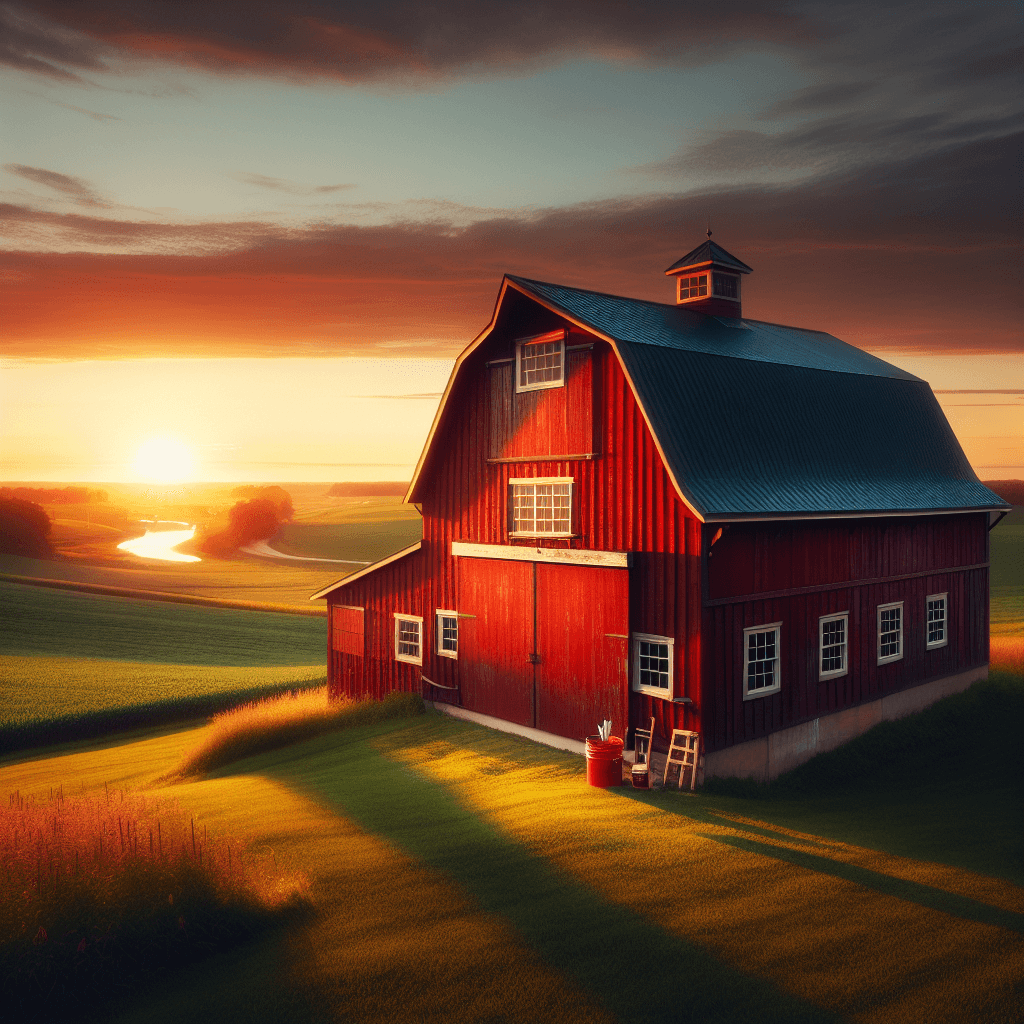
When you picture a quintessential rural landscape, certain images immediately come to mind: rolling green hills, wooden fences, and, most notably, a large, dark red barn. This specific aesthetic has become a cornerstone of agricultural identity, particularly across North America and parts of Europe. However, this choice of color was never originally about style or branding. While modern farmers might choose red to honor tradition, the origins of this phenomenon are rooted in a fascinating mix of chemistry, physics, and frugal practicality. Understanding why traditional farm barns are almost always painted a specific shade of dark red reveals a story of early settlers utilizing raw materials to solve the most basic of problems: preserving their livelihood against the elements.
The Necessity of Preservation
In the 18th and early 19th centuries, farmers did not have access to the local hardware stores or synthetic paints we use today. Early American barns were often left unpainted, leaving the wood exposed to harsh sun, heavy rain, and snow. Over time, untreated wood would rot, warp, and fall victim to wood-eating insects.
To protect their structures, farmers began experimenting with "home-made" sealants. The base of these mixtures was typically linseed oil, derived from the flax plant. While the oil effectively sealed the wood and provided a degree of water resistance, it was not a complete solution. On its own, the oil would dry slowly and was susceptible to mold and fungi growth. To enhance the protective properties of the oil, farmers needed to add supplemental ingredients.
The Chemistry of "Barn Red"
The specific dark red hue we recognize today is the result of adding ferrous oxide—more commonly known as rust—to the linseed oil mixture. This was not a random choice; it was a decision driven by functionality and cost.
Why Ferrous Oxide?
- Fungicidal Properties: Iron oxide is incredibly effective at killing fungi, moss, and mold. By adding rust to the oil, farmers created a potent preservative that prevented the wood from decaying.
- Abundance and Cost: Iron was readily available in the soil of many farming regions. Because it was essentially a waste product or a common mineral, it was the cheapest pigment available.
- Durability: Red iron oxide is highly resistant to fading from ultraviolet rays. This meant a barn painted with this mixture would maintain its protective coating much longer than other early pigments.
According to historical records from the Smithsonian Institution, this mixture was often supplemented with milk and lime to create a durable, plastic-like coating. The resulting color was a deep, earthy burnt orange or dark red, which eventually became the standardized "barn red" we see today.
The Physics of Heat Absorption
Beyond preservation, the dark red color offered a thermal advantage. Darker colors absorb more sunlight and radiant heat than lighter colors. In colder climates, a dark red barn would absorb significant heat during the day.
This served two purposes:
- Livestock Comfort: The absorbed heat helped keep the interior of the barn slightly warmer during harsh winters, providing a safer environment for cattle, horses, and sheep.
- Drying the Wood: The heat helped moisture evaporate more quickly from the wooden planks after a rainstorm, further preventing the onset of rot.
The Transition to Tradition
By the mid-to-late 19th century, paint became a commercially manufactured product. Interestingly, as paints became more accessible, white paint actually became more expensive than red because it required high-quality lead or zinc pigments. While wealthy farmers sometimes painted their homes white as a status symbol, barns remained red because the price of red paint remained significantly lower.
As the 20th century progressed and synthetic paints became affordable regardless of color, the functional necessity of red paint vanished. However, the visual association between farming and the color red was already deeply ingrained in the cultural psyche. Farmers continued to paint their barns red to honor the aesthetic of their ancestors, transforming a functional chemical solution into a lasting architectural tradition.
Conclusion
The iconic dark red barn is a testament to the ingenuity of early farmers who used basic chemistry to protect their property. The transition from a mixture of linseed oil and rust to a global cultural symbol highlights how practical solutions can evolve into cherished traditions. While we no longer rely on ferrous oxide to prevent wood rot, the shade remains a tribute to a time when every choice on the farm was dictated by necessity and longevity. Understanding why traditional farm barns are almost always painted a specific shade of dark red allows us to appreciate these structures not just as beautiful landmarks, but as enduring examples of historical innovation. If you find yourself driving through the countryside, you can now view those crimson structures as the clever, heat-absorbing, fungus-fighting tools they were originally designed to be.