Why can you relight a candle by igniting its trail of smoke
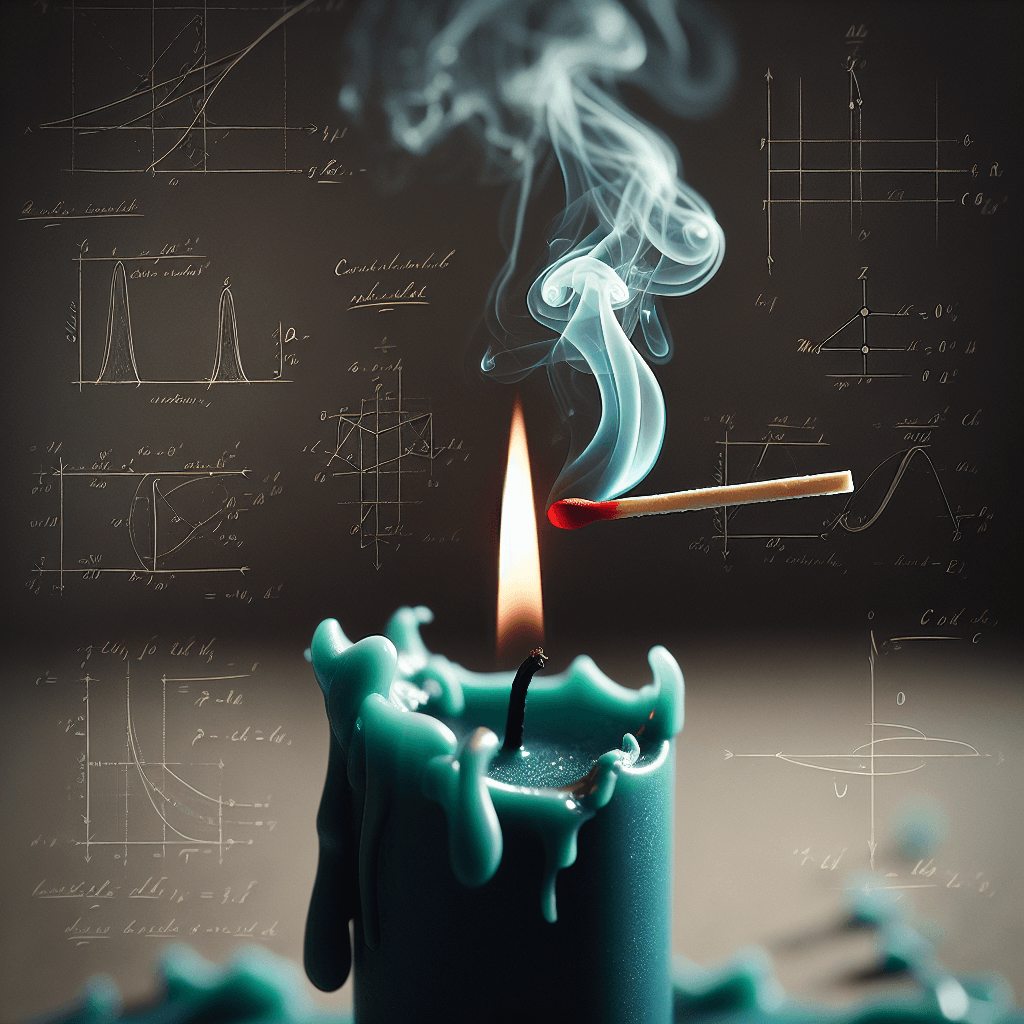
That wisp of smoke from a blown-out candle isn't actually smoke at all—it's a flammable, invisible bridge of fuel just waiting to be relit.

Too Long; Didn't Read
TLDR: The smoke from a blown-out candle is actually a trail of flammable wax vapor. Lighting this vapor acts like a fuse, carrying the flame back down to the wick and relighting it.
The Phantom Flame: Why Can You Relight a Candle by Igniting Its Trail of Smoke?
Have you ever seen the classic party trick? Someone blows out a candle and, like magic, relights it from inches away by just touching a lighter to the rising wisp of smoke. It looks like a sleight of hand, but this captivating phenomenon isn't magic at all—it's a brilliant, visible demonstration of the science of combustion. While it appears you're lighting smoke, you're actually igniting a trail of invisible fuel. This post will break down the fascinating physics and chemistry behind why you can relight a candle by igniting its trail of smoke, turning a simple trick into an understandable scientific principle.
It's Not Smoke, It's Vaporized Wax
The first and most crucial thing to understand is that the white trail rising from a recently extinguished candle isn't technically smoke. At least, it's not smoke in the way we usually think of it—a collection of carbon soot and other byproducts of incomplete combustion.
Instead, that visible wisp is an aerosol of tiny, unburnt paraffin wax particles. Here's how it forms:
- Melting and Wicking: The heat from the candle’s flame melts the solid wax at the top into a liquid pool. Through a process called capillary action, the wick draws this liquid wax upward.
- Vaporization: When the liquid wax reaches the hot part of the wick near the flame, the intense heat vaporizes it, turning it into a gas.
- Combustion: It is this wax vapor—not the liquid or solid wax—that actually mixes with oxygen and burns, sustaining the flame.
When you blow the candle out, the flame is gone, but the wick remains extremely hot for a few moments. This residual heat continues to vaporize the liquid wax, sending a plume of hot wax vapor into the air. As this vapor rises and mixes with the cooler surrounding air, it condenses back into a visible trail of microscopic liquid droplets and solid particles of wax.
The Fiery Domino Effect: How Relighting Works
This trail of condensed wax vapor is highly flammable. It's essentially a fuel line hanging in the air, leading directly back to the source: the wick. When you introduce a new heat source, like a lighter or a match, to this trail, you set off a rapid chain reaction.
Think of it as a fuse.
- Ignition: The flame from your lighter ignites the wax particles at the top of the trail.
- Rapid Travel: The flame then instantly travels down this continuous, fuel-rich path, consuming the vaporized wax as it goes. This happens so quickly that it looks like a single streak of fire jumping from the lighter to the candle.
- Re-ignition: When this traveling flame reaches the wick, it finds a continuous source of fuel being vaporized by the still-hot wick. This reignites the wick itself, and the candle flame is reborn.
This process demonstrates a core principle of fire: for something to burn, it first needs to be converted into a gaseous state. You aren’t lighting the solid wick; you are lighting the cloud of fuel surrounding it.
The Perfect Conditions for the Trick
While the science is consistent, your success with this trick can vary. For the best results, a few conditions need to be met.
- Act Quickly: The effect works best immediately after extinguishing the candle. The wick needs to be hot enough to continue vaporizing the wax. If you wait too long, the wick will cool down, the vapor trail will cease, and the trick won't work.
- Still Air is Key: A breeze or draft is your worst enemy. Any air movement will quickly disperse the delicate trail of wax vapor, breaking the "fuse" and preventing the flame from traveling back to the wick.
- Wax Type Matters: Candles made from paraffin wax, a petroleum-based product, tend to produce a more robust and flammable vapor trail, making the trick easier to perform compared to some natural waxes like soy or beeswax.
Conclusion
The ability to relight a candle from its smoke trail is far more than a clever illusion. It’s a perfect, real-world example of the principles of combustion, revealing that the visible flame we see is fueled by an invisible gas. The "smoke" is not waste but a cloud of untapped fuel—vaporized wax waiting for a spark. So, the next time you see this trick or try it yourself (safely, of course), you’ll know you're not just playing with fire; you're demonstrating the beautiful and predictable laws of chemistry in action. It’s a simple reminder that a little bit of scientific knowledge can make the world seem even more magical.