
Why can your old scars spontaneously reopen if your diet completely lacks vitamin C for several months
Imagine your body’s oldest scars suddenly and mysteriously reopening as if the clock had been turned back decades. Discover the unsettling biological reality of how your past injuries are never truly "finished" and why your body can literally come undone without one essential nutrient.

Too Long; Didn't Read
Vitamin C is essential for producing collagen, the protein that maintains scar tissue. Because the body constantly breaks down and rebuilds collagen, a total lack of the vitamin prevents new tissue from forming, causing old wounds to lose their structural integrity and literally fall apart.
The Body Unraveling: Why Can Your Old Scars Spontaneously Reopen if Your Diet Completely Lacks Vitamin C for Several Months?
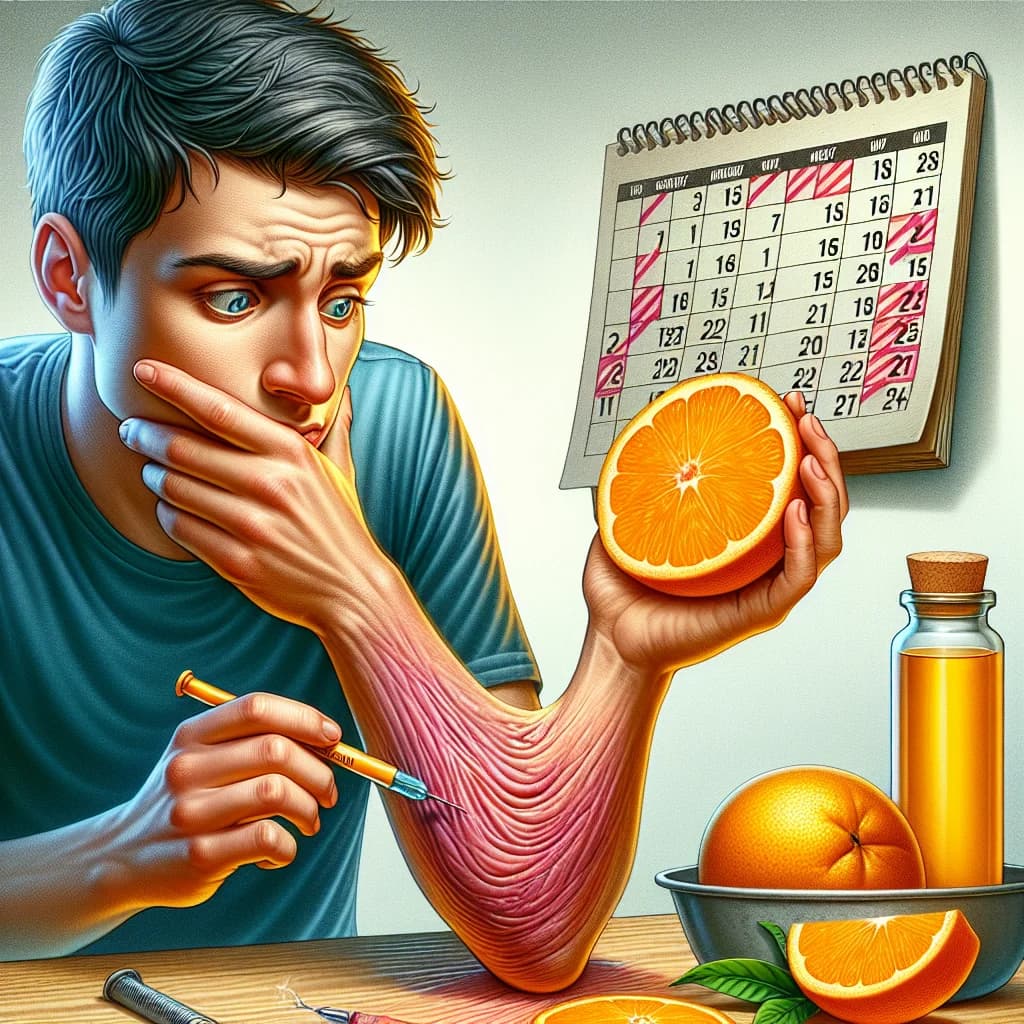
Imagine a wound you received a decade ago—perhaps a childhood tumble or a surgical incision—suddenly and inexplicably splitting open as if it were fresh. While it sounds like a plot from a gothic horror novel, this is a documented medical reality known as the "reopening of old wounds." This phenomenon is the most visceral symptom of scurvy, a disease caused by a severe, prolonged deficiency of Vitamin C. In an era of modern nutrition, we often view Vitamin C as a simple immune booster, but its role is far more fundamental. This post explores the biological mechanisms of collagen maintenance to answer the haunting question: Why can your old scars spontaneously reopen if your diet completely lacks Vitamin C for several months?
The Biological Glue: Understanding Collagen
To understand why scars fail, we must first understand what holds them together. Collagen is the most abundant protein in the human body, acting as the structural "glue" for our skin, bones, blood vessels, and, crucially, scar tissue.
Unlike healthy skin, which has a complex, woven pattern of fibers, scar tissue is composed of dense, cross-linked collagen fibers aligned in a single direction. This structure is sturdy, but it is not permanent. The body is in a constant state of "metabolic turnover," meaning it is perpetually breaking down old collagen and replacing it with new strands to maintain the integrity of the tissue.
The Chemistry of Repair: How Vitamin C Functions
The reason Vitamin C is indispensable to this process lies in its role as a cofactor for specific enzymes. According to biochemical research, two key enzymes—prolyl hydroxylase and lysyl hydroxylase—are responsible for stabilizing the collagen molecule.
- Hydroxylation: These enzymes add hydroxyl groups to the amino acids proline and lysine within the collagen chain.
- The Triple Helix: This process allows collagen to fold into a tight, stable "triple helix" structure.
- Cross-linking: Once the triple helix is formed, these fibers can cross-link with one another, providing the tensile strength necessary to keep skin and scars closed.
Without Vitamin C, these enzymes cannot function. The body continues to produce collagen "precursors," but they are structurally flawed and unable to form stable fibers.
Why Old Scars Reopen
The spontaneous reopening of scars occurs because of the aforementioned metabolic turnover. Even though a scar looks "healed" from the outside, the body is constantly recycling the collagen within that scar.
When Vitamin C is completely absent from the diet for several months, the following chain reaction occurs:
- Degradation exceeds production: The body continues to break down the old, stable collagen that was created when Vitamin C was present.
- Structural failure: The new collagen created to replace it is weak, brittle, and unable to support the tension of the skin.
- De-healing: Eventually, the "glue" holding the old injury together simply dissolves. The scar tissue loses its structural integrity, and the wound literally "un-heals," reverting to an open sore.
This was famously documented during the 18th century. In accounts from Lord Anson’s voyage around the world in the 1740s, crew members reported that old bone fractures would un-knit and wounds from years prior would break wide open as scurvy took hold.
Beyond Scars: The Systematic Effects of Scurvy
The reopening of wounds is rarely the first sign of deficiency. Because Vitamin C is essential for all connective tissue, other symptoms typically manifest first:
- Capillary Fragility: Tiny blood vessels rupture, leading to "petechiae" (small red spots on the skin) and easy bruising.
- Gingival Disintegration: The ligaments holding teeth in place weaken, leading to bleeding gums and tooth loss.
- Extreme Fatigue: Vitamin C is also involved in the synthesis of carnitine, which the body uses for energy production.
Conclusion
The spontaneous reopening of old scars is a stark reminder that the human body is not a static object, but a dynamic system in a constant state of self-repair. The "un-healing" of wounds during a total lack of Vitamin C occurs because the biological machinery required to stabilize collagen grinds to a halt, leaving the body unable to replace the structural fibers that hold us together.
While scurvy is rare in modern society, understanding this process highlights the vital importance of micronutrients in maintaining the physical structures we take for granted. It serves as a powerful testament to the fact that our health—and even our past recoveries—depends on the continuous, invisible chemical reactions fueled by the food we eat. Keep your Vitamin C levels steady; your skin quite literally depends on it.


