
Why did ancient Romans use urine as a mouthwash to whiten their teeth because of its ammonia
Forget modern toothpaste—ancient Romans achieved their blindingly white smiles by gargling with something truly stomach-turning. Discover the bizarre science behind why urine was once considered the ultimate "liquid gold" for dental hygiene.

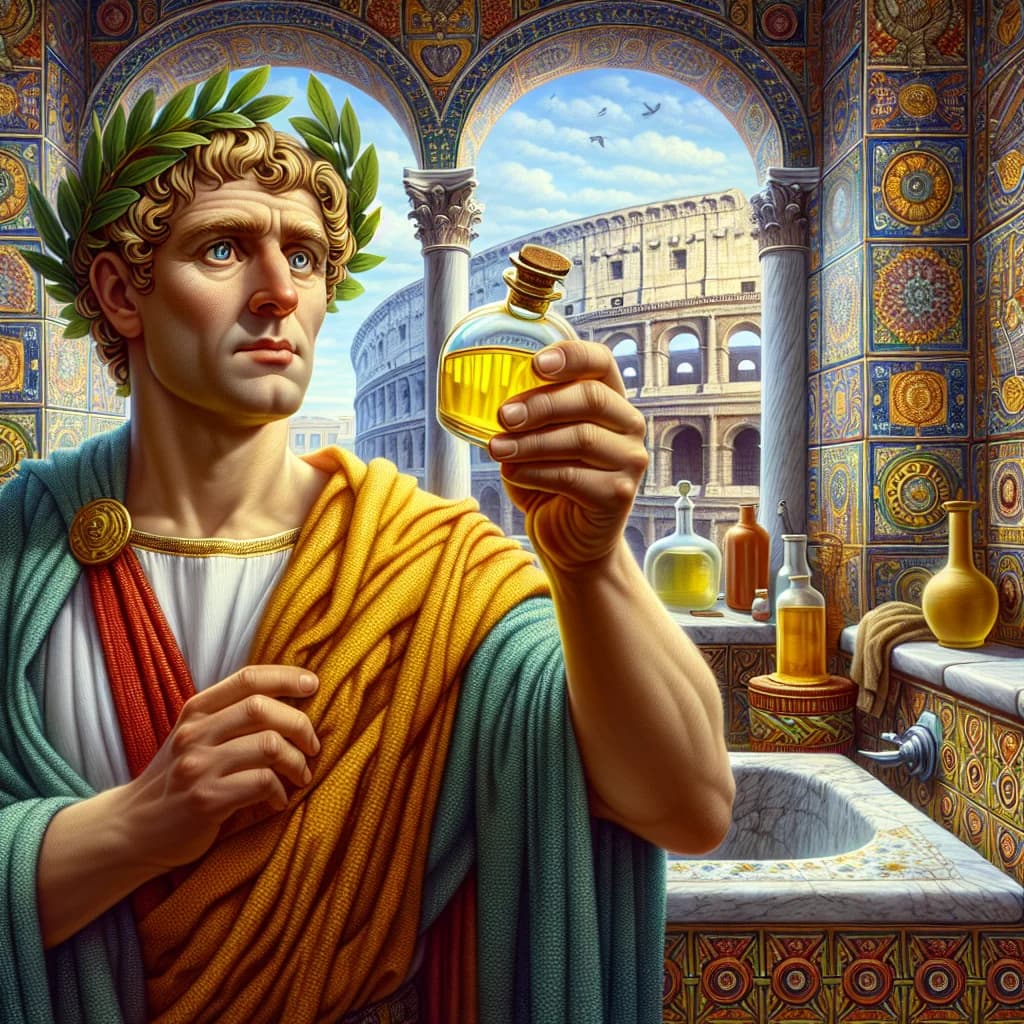
Too Long; Didn't Read
Ancient Romans used aged urine as a mouthwash because it contains ammonia, a natural cleaning agent and disinfectant that effectively broke down stains to whiten their teeth.
The Ancient Secret to a Bright Smile: Why Did Ancient Romans Use Urine as a Mouthwash to Whiten Their Teeth Because of Its Ammonia?
Imagine standing in a bustling Roman marketplace, surrounded by marble columns and the scent of Mediterranean spices, only to realize that the person next to you achieved their pearly-white smile using a liquid collected from public latrines. While modern dental hygiene relies on minty pastes and high-tech gels, the citizens of ancient Rome turned to a much more biological solution. The practice was so common that it became a point of both pride and satirical mockery in Roman literature. But this wasn't just a bizarre superstition; there was a genuine chemical reason behind it. This blog post explores the historical and scientific reasons why did ancient Romans use urine as a mouthwash to whiten their teeth because of its ammonia? and how this practice fit into their sophisticated society.
The Chemistry of Ancient Whitening: Ammonia and Urea
To understand why the Romans reached for urine to clean their teeth, one must look at the basic chemistry of the substance. Human urine contains urea, a nitrogenous organic compound. When urine is left to sit, or "age," bacteria break down the urea into ammonia. Ammonia is a weak base and a highly effective cleaning agent.
In the modern world, ammonia is a primary ingredient in many glass cleaners and floor scrubbers because of its ability to break down organic material. For a Roman citizen, the ammonia in aged urine acted as a chemical solvent that could:
- Dissolve protein deposits on the surface of the teeth.
- Neutralize acidic biofilms that contribute to tooth decay.
- Lift stains caused by food and wine, effectively "bleaching" the enamel.
According to historical accounts and archaeological findings, the Romans were fastidious about their appearance. They didn't have access to modern hydrogen peroxide, so they utilized the most potent natural detergent available to them.
A Valuable Commodity: The Roman Urine Trade
Urine was such a vital resource in Rome that it was treated as a commercial commodity rather than waste. It was not only used for oral hygiene but was also the primary agent for laundering and bleaching togas in businesses known as "fullonicae" (laundries). The demand was so high that public urinals were placed on street corners to collect the liquid.
The trade became so lucrative that Emperor Vespasian famously imposed a tax on the collection of urine from public toilets in the first century AD. When his son, Titus, complained about the "disgusting" nature of the tax, Vespasian reportedly held up a gold coin and uttered the famous phrase, "Pecunia non olet" (Money does not smell). This illustrates that the ammonia-rich liquid was a pillar of the Roman economy and hygiene sector.
Why Portuguese Urine Was the "Premium" Choice
Not all urine was considered equal by the Roman elite. Historical texts, including the works of the poet Catullus, suggest that Romans had a particular preference for imported urine, specifically from the Iberian Peninsula (modern-day Portugal).
The belief was that Portuguese urine was "stronger" and therefore more effective at whitening teeth. While there is no modern scientific evidence to suggest that regional urine had different chemical properties, the Roman market valued it as a premium luxury good. In one of his poems, Catullus famously mocked a man named Egnatius for his white teeth, claiming that the whiter his smile was, the more Portuguese "wash" he must have used. This satire confirms that the practice was widespread across different social classes, even if it was sometimes the butt of a joke.
How Did They Use It?
The process was relatively straightforward but required a strong stomach by modern standards. A Roman would typically:
- Collect or purchase aged urine (to ensure the urea had converted to ammonia).
- Rinse the mouth with the liquid, much like a modern mouthwash.
- Sometimes mix it with other abrasives, such as crushed eggshells or pumice, to create a primitive whitening paste.
Comparisons with Modern Dental Care
When we compare Roman practices to modern dentistry, the similarities in logic are surprising. Today, many whitening products use carbamide peroxide, which breaks down into hydrogen peroxide and—interestingly—urea. While we have moved away from using raw animal or human byproducts, the fundamental goal remains the same: using a chemical reaction to break down stains on the enamel.
However, the Romans faced significant drawbacks. While the ammonia effectively whitened teeth, it was also highly caustic. Frequent use could irritate the gums and soft tissues of the mouth. Furthermore, without the benefit of fluoride, their dental health relied more on surface cleaning than on the structural strengthening of the enamel.
Conclusion
The question of why did ancient Romans use urine as a mouthwash to whiten their teeth because of its ammonia? reveals a fascinating intersection of chemistry, economy, and social status. Though the practice seems repulsive to us today, it was a logical and effective use of the resources available at the time. The Romans recognized the potent cleaning power of ammonia long before modern chemistry could explain it.
This historical quirk serves as a reminder of human ingenuity and the lengths to which people will go to achieve a perfect smile. While we can be thankful for the invention of peppermint-flavored toothpaste, we must give credit to the Romans for their pioneering—if pungent—approach to dental aesthetics. If you are interested in the evolution of hygiene, exploring Roman "fullonicae" or the history of early medicine provides even deeper insights into how our ancestors mastered the world around them.


