
Why did nineteenth-century dentists use human teeth harvested from fallen soldiers to create dentures for the wealthy
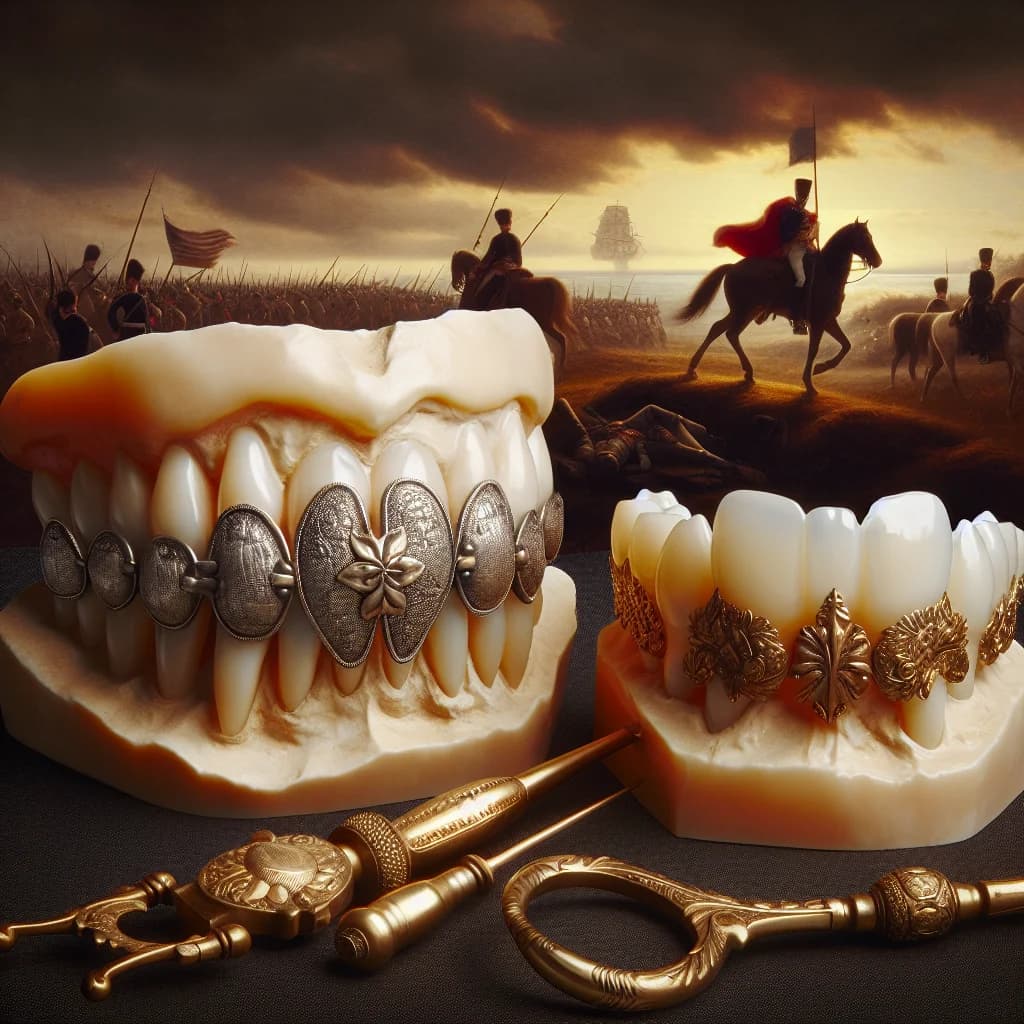
From the blood-soaked fields of Waterloo to the drawing rooms of high society, the secret to a perfect Victorian smile was often harvested from the mouths of the fallen. Discover the macabre history of the "Waterloo Teeth" trade and how the grim spoils of war became the ultimate luxury accessory for the nineteenth-century elite.

Too Long; Didn't Read
Nineteenth-century dentists used teeth harvested from fallen soldiers because they were more durable and realistic than contemporary porcelain or animal alternatives. Massive casualties from battles like Waterloo provided an abundant supply of healthy teeth to meet the high demand from wealthy patients seeking natural-looking dentures.
The Macabre Market: Why Did Nineteenth-Century Dentists Use Human Teeth Harvested from Fallen Soldiers to Create Dentures for the Wealthy?
Imagine attending a high-society gala in 1820s London. Across the room, a wealthy aristocrat offers a gleaming, white smile. To the casual observer, it is a sign of vitality and status. However, those teeth likely had a grizzly origin: they were potentially scavenged from the mouth of a young soldier who perished on a battlefield like Waterloo. During the nineteenth century, the demand for "real" smiles created a bizarre and gruesome supply chain. But why did nineteenth-century dentists use human teeth harvested from fallen soldiers to create dentures for the wealthy? This practice was the result of a perfect storm of soaring tooth decay, the limitations of early dental technology, and the sudden, massive availability of "high-quality" biological material provided by the Napoleonic Wars.
An Epidemic of Decay: The Sugar Craze
The primary driver behind the demand for dentures was a dental health crisis across Europe, particularly in Britain. As the British Empire expanded, sugar became a staple rather than a luxury. According to historical dietary records, sugar consumption increased significantly during the late 18th and early 19th centuries due to the growth of Atlantic plantations.
This dietary shift led to an epidemic of tooth decay (caries). Because professional dentistry was in its infancy and oral hygiene practices were rudimentary, people of all classes suffered from systemic tooth loss. For the wealthy, however, missing teeth were not just a health issue—they were a social catastrophe. To maintain their standing in polite society, the elite required replacements that looked as natural as possible.
The Failure of Alternative Materials
Before the mid-19th century, dentists struggled to find materials that could mimic the look and durability of human teeth. The most common options at the time included:
- Animal Bone and Ivory: Dentists frequently carved base plates and teeth from walrus, elephant, or hippopotamus ivory. While initially white, ivory is porous. It absorbed food stains, rotted over time, and developed a foul odor in the wearer’s mouth.
- Early Porcelain: While porcelain teeth were introduced in the late 1700s, early versions were problematic. They were often "too white" to look natural, were prone to shattering under the pressure of chewing, and shrunk during the firing process, making a proper fit difficult to achieve.
Because of these flaws, "second-hand" human teeth became the gold standard. They were durable, resisted decay better than ivory, and—most importantly—offered a realistic appearance that no artificial material could yet match.
The Battlefield as a Resource
While dentists occasionally purchased teeth from "resurrectionists" (grave robbers) or from the living poor who were desperate for money, these sources were inconsistent. The Napoleonic Wars, culminating in the Battle of Waterloo in 1815, changed the market entirely.
At Waterloo alone, there were approximately 50,000 casualties. In the immediate aftermath, scavengers—and even some surviving soldiers—moved across the field with pliers. They focused on the fallen because soldiers were typically young men who, despite the rigors of military life, often possessed full sets of healthy, strong teeth.
These "Waterloo Teeth" were shipped in bulk to London and Paris. Once they reached a dentist's office, they underwent a specific preparation process:
- Sorting: Teeth were grouped by size, shape, and color.
- Cleaning: The roots were filed down or cut off.
- Mounting: The crowns were Riveted or pinned onto ivory or gold base plates.
A Status Symbol for the Elite
The cost of these dentures was astronomical, ensuring they remained a luxury for the upper class. A set of dentures featuring genuine human teeth could cost more than a year's wages for a common laborer. For the wealthy, wearing the teeth of a fallen soldier was not viewed with the horror we might feel today; rather, it was seen as a practical, albeit expensive, solution to a common problem. It was the ultimate status symbol—a way to literally "buy" the health and youth of another to mask one's own physical decline.
Conclusion
The use of "Waterloo Teeth" represents a fascinating, if unsettling, intersection of war, commerce, and medical history. Why did nineteenth-century dentists use human teeth harvested from fallen soldiers to create dentures for the wealthy? It was the only way to meet a massive demand for aesthetics in an era before synthetic materials could provide a functional alternative. This practice only began to decline in the 1840s and 50s with the invention of Vulcanite—a durable, flexible rubber—and improvements in porcelain technology. Today, these macabre prosthetics serve as a reminder of how far dental science has progressed and the lengths to which previous generations went to preserve the appearance of health and status. For those interested in medical history, the era of the "Waterloo Tooth" remains a profound example of the hidden costs of social prestige.


