
Why did people use moist bread crumbs to erase pencil marks before the rubber eraser was invented
Long before the rubber eraser existed, the secret to fixing a mistake was actually hiding in your lunchbox. Discover why the world’s first "delete button" was a ball of moist bread and the surprising science behind how it actually worked.

Too Long; Didn't Read
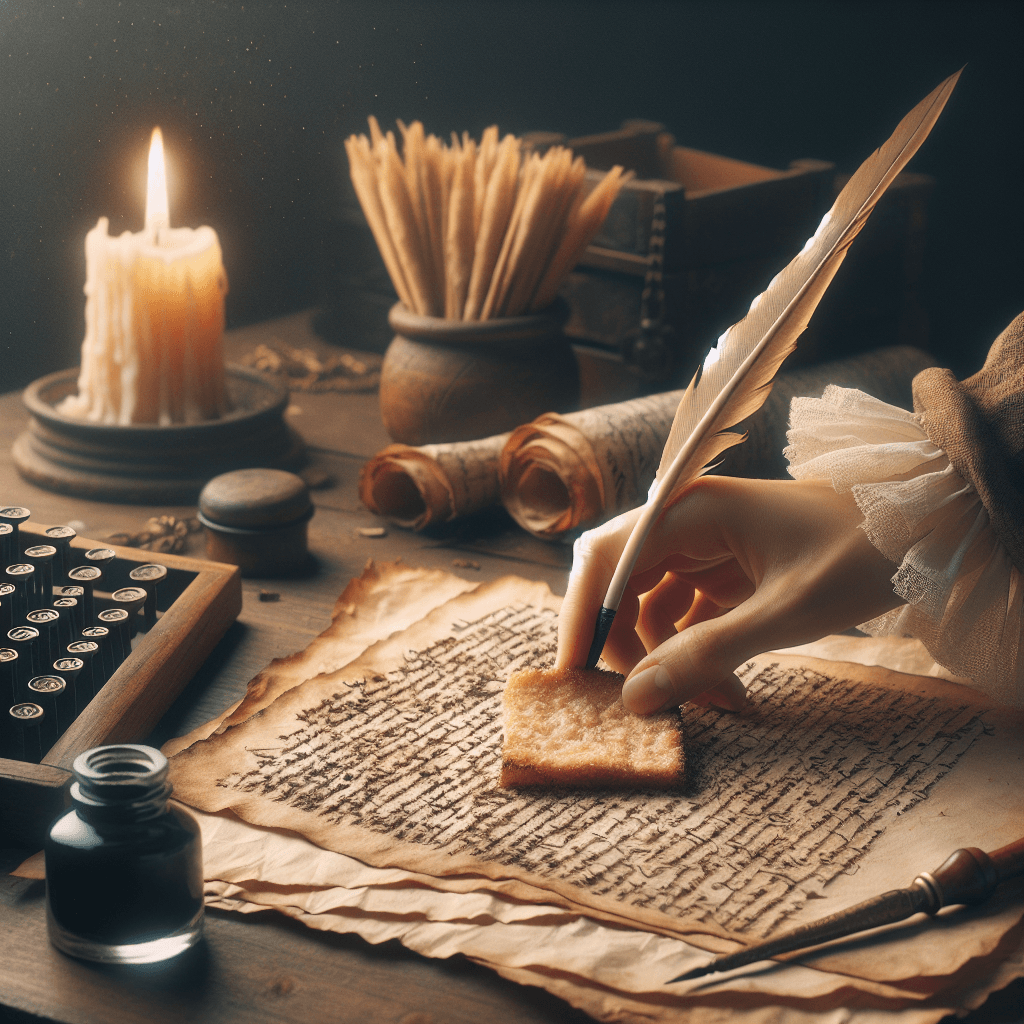
Before the 1770 invention of rubber erasers, moist bread crumbs were the standard tool for removing graphite. Rolled into small balls, the soft and porous bread effectively lifted pencil marks off paper without damaging the surface. Rubber eventually replaced bread because it was more durable and did not rot.
From the Bakery to the Desk: Why Did People Use Moist Bread Crumbs to Erase Pencil Marks Before the Rubber Eraser Was Invented?
Imagine an architect in the 17th century meticulously drafting a cathedral. Suddenly, his hand slips, leaving a dark graphite streak across the parchment. Today, we would reach for a synthetic pink wedge or a clickable eraser pen without a second thought. However, before the late 18th century, the world’s most common correction tool wasn't found in a stationery shop—it was found in the kitchen. For centuries, the primary method for removing pencil marks involved using small balls of moist, crustless bread. This practice was so common that it remained the industry standard for artists and scribes until a chance discovery in 1770 changed everything. This post explores the fascinating history and surprisingly effective science behind why moist bread crumbs were the go-to solution for erasing mistakes.
The Science Behind the Sourdough: How Bread Erased Graphite
It might seem strange to rub food on a document, but the physical properties of bread made it a remarkably effective cleaning agent. When bread is prepared for erasing, the crust is removed, and the soft inner part (the crumb) is rolled into a small, moist ball.
The effectiveness of this method relied on two main factors:
- Adhesion and Porosity: Bread is naturally porous. When pressed against paper, the soft fibers of the bread would grip the graphite particles. Because the bread was slightly moist, the graphite would stick to the doughy surface more readily than it would stay bonded to the paper fibers.
- Abrasive but Gentle: The texture of the bread was just abrasive enough to lift the lead or graphite without tearing the delicate and expensive parchment or vellum used at the time.
According to historical accounts from art academies, students were taught to knead the bread until it reached a specific consistency—not so wet that it would smudge the paper, but not so dry that it would crumble and fail to pick up the marks.
The Historical Context of the "Bread Eraser"
Before the invention of the modern pencil, people used silverpoint or lead. When the graphite pencil became more common in the 16th century, the need for a reliable eraser grew. For nearly two hundred years, bread was the undisputed king of the writing desk.
Artists like Michelangelo or Rembrandt likely utilized bread to lift highlights in their charcoal and graphite sketches. It was a cheap, readily available, and organic solution. In fact, specialized "erasing bread" was rarely a thing; people simply used whatever white bread was available, though some preferred bread with a high gluten content because it held together better during the rubbing process.
The Accidental Revolution: From Bread to Rubber
The reign of the bread crumb ended quite literally by accident. In 1770, an English engineer named Edward Nairne is credited with discovering the first rubber eraser. As the story goes, Nairne reached for his usual ball of bread crumbs to erase a mistake but inadvertently picked up a piece of raw rubber (caoutchouc) instead.
He was astonished to find that the rubber worked significantly better than the bread. Shortly after, the famous chemist Joseph Priestley—the man who discovered oxygen—noticed this property as well. Priestley is actually responsible for the name "rubber," as he remarked on how the substance could "rub out" lead marks.
Why We Stopped Using Bread
While bread was effective, it had several distinct disadvantages compared to the newly discovered rubber:
- Perishability: Bread is organic. It would eventually dry out, become moldy, or rot, meaning a fresh "eraser" had to be prepared almost daily.
- Pests: Leaving bread crumbs on a desk was an open invitation for mice and insects, which was a significant problem in historical libraries and drafting rooms.
- Residue: Even the best-kneaded bread ball left behind oils and tiny crumbs that could degrade the paper over long periods.
Conclusion
The transition from moist bread crumbs to rubber erasers marks a fascinating point in the history of technology and everyday life. We used bread because its unique combination of moisture, gluten, and porosity provided the perfect vehicle for lifting graphite without damaging the writing surface. While the invention of the rubber eraser by Edward Nairne in 1770 provided a more durable and convenient alternative, the humble bread crumb served the greatest minds of the Renaissance and the Enlightenment faithfully.
Next time you use a modern eraser, take a moment to appreciate the convenience of synthetic materials—and be thankful you don't have to bake a loaf of bread every time you want to fix a typo. To learn more about the history of everyday objects, keep exploring the evolution of the tools we often take for granted.


