
Why did sailors historically wear gold earrings to pay for their own funerals if they washed ashore
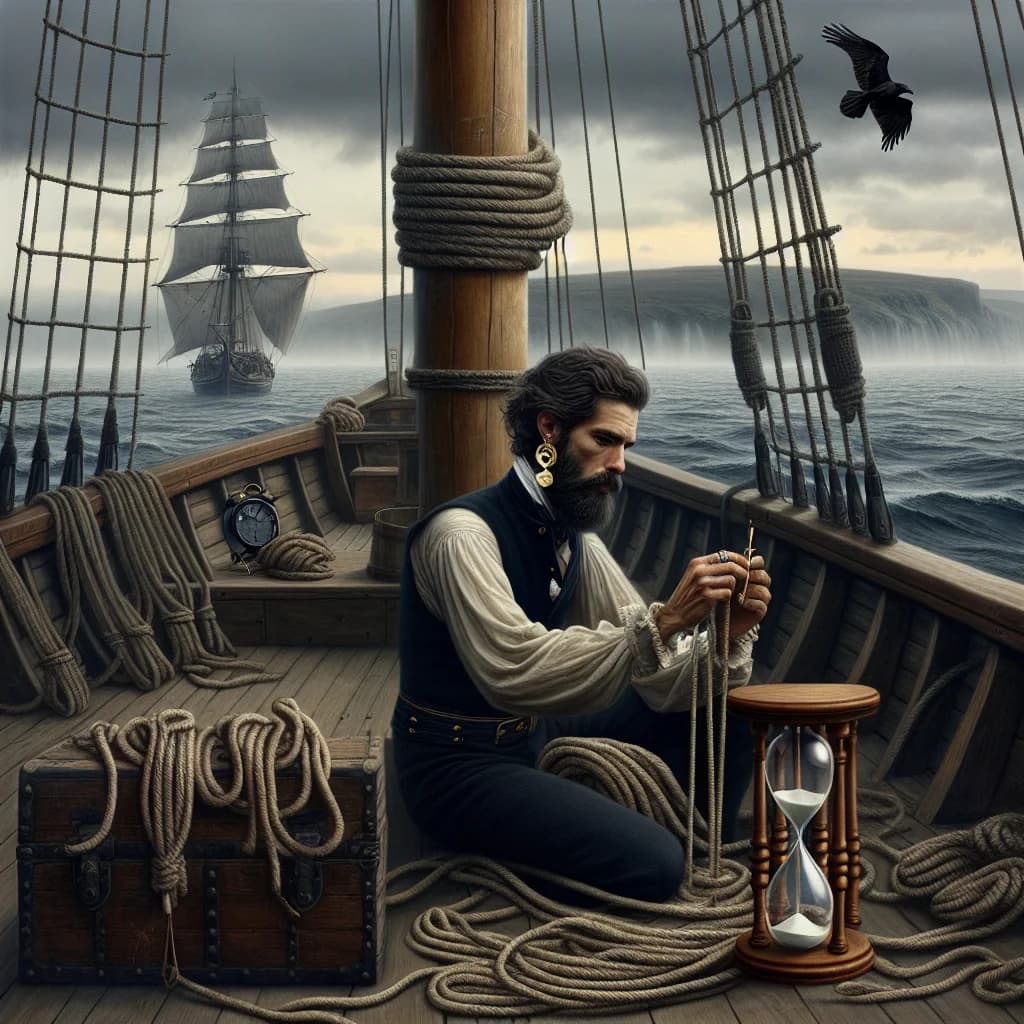
Beyond the pirate lore lies a hauntingly practical truth: for a sailor at sea, a gold hoop wasn't just fashion—it was a wearable insurance policy for a dignified final rest.

Too Long; Didn't Read
Sailors wore gold earrings as a form of burial insurance to ensure that if they drowned and washed ashore, the value of the precious metal would pay for a proper funeral and a decent burial.
The Golden Insurance: Why Did Sailors Historically Wear Gold Earrings to Pay for Their Own Funerals if They Washed Ashore?
The life of a 17th or 18th-century sailor was defined by constant peril. Between the threat of violent storms, the scourge of scurvy, and the ever-present risk of shipwrecks, a seaman’s existence was a gamble against the elements. Amidst these dangers, one of the most enduring images of the "Golden Age of Piracy" and maritime history is the sailor sporting a thick gold hoop in his ear. While modern audiences might view this as a mere fashion choice or a symbol of rebellion, it served a much grimmer, more practical purpose. This blog post explores the fascinating history behind maritime jewelry and answers the question: Why did sailors historically wear gold earrings to pay for their own funerals if they washed ashore?
A Golden Insurance Policy for the Afterlife
The primary reason sailors wore gold or silver earrings was to serve as a form of portable life insurance. In an era before international banking and digital identification, a sailor’s body was his only collateral. If a sailor perished at sea and his body washed up on a distant, foreign shore, the gold earring was intended to compensate the locals for the cost of a proper Christian burial.
Gold was the preferred medium because it is a universal currency that does not corrode in salt water. Historians and maritime experts note several key reasons why this practice became a standard among seafarers:
- Payment for Labor and Materials: The gold would cover the cost of a wooden coffin, the digging of a grave, and the labor of those handling the remains.
- The Cost of "Hallowed Ground": For many sailors, the greatest fear was not death itself, but being left "unhallowed" or unburied, which was believed to prevent the soul from finding peace.
- Identification: Some sailors went a step further by engraving the name of their home port on the inside of the hoop, hoping that if they were found, their remains might be returned to their families or at least identified.
Practicality Meets Maritime Superstition
While the "funeral fund" is the most historically documented reason, the wearing of earrings was also shrouded in maritime lore and pseudo-science. Sailors were notoriously superstitious, and their jewelry often reflected their attempts to control an unpredictable environment.
Improving Eyesight and Preventing Sickness
According to maritime folklore common in the 18th century, piercing the ears was believed to have medicinal benefits. Many sailors were under the impression that the act of piercing the earlobes would sharpen their eyesight—a vital trait for a lookout perched in the crow's nest. Others believed that the precious metals possessed healing properties that could ward off seasickness or prevent blindness. While modern medicine has debunked these theories, the belief was widespread enough to make ear piercing a rite of passage for young recruits.
A Badge of Experience
In some maritime circles, an earring was more than insurance; it was a trophy. Traditionally, a sailor earned the right to wear a gold hoop after they had survived a significant milestone, such as:
- Crossing the Equator for the first time.
- Rounding the treacherous waters of Cape Horn at the southern tip of South America.
- Surviving a shipwreck.
Legal and Economic Considerations
The use of gold earrings also provided a loophole in certain maritime and naval laws. In many jurisdictions, the belongings of a deceased sailor were the property of the ship’s captain or the crown. However, personal jewelry worn on the body was often treated differently than cargo or wages. By wearing their wealth on their ears, sailors ensured that their "funeral fund" stayed with them, literally attached to their person, making it harder for others to claim as legal salvage.
Furthermore, gold provided a safety net for the living. If a sailor was pressed into service or found himself stranded in a foreign port without wages, the earring could be traded for food, shelter, or passage back home. It was a liquid asset in the truest sense of the word.
Conclusion
The tradition of the seafaring earring is a poignant reminder of the harsh realities of historical maritime life. Why did sailors historically wear gold earrings to pay for their own funerals if they washed ashore? They did so because they lived with the constant awareness that their next voyage might be their last. The gold hoop was a blend of pragmatic financial planning, a desperate hope for a dignified end, and a touch of maritime superstition.
Today, while the practical need for "earring insurance" has vanished with the advent of modern naval protocols and international law, the icon remains a powerful symbol of the bravery and resourcefulness of those who once braved the unknown seas. Understanding this history allows us to look past the "pirate" tropes and see the real, human anxieties of the men who built the global trade routes we depend on today.


