
Why did tennis balls transition from white to neon yellow after the arrival of color television
Ever wondered why tennis balls traded their classic white for that unmistakable neon glow? Discover the surprising way color television—and a legendary nature filmmaker—forever changed the visibility of the game.

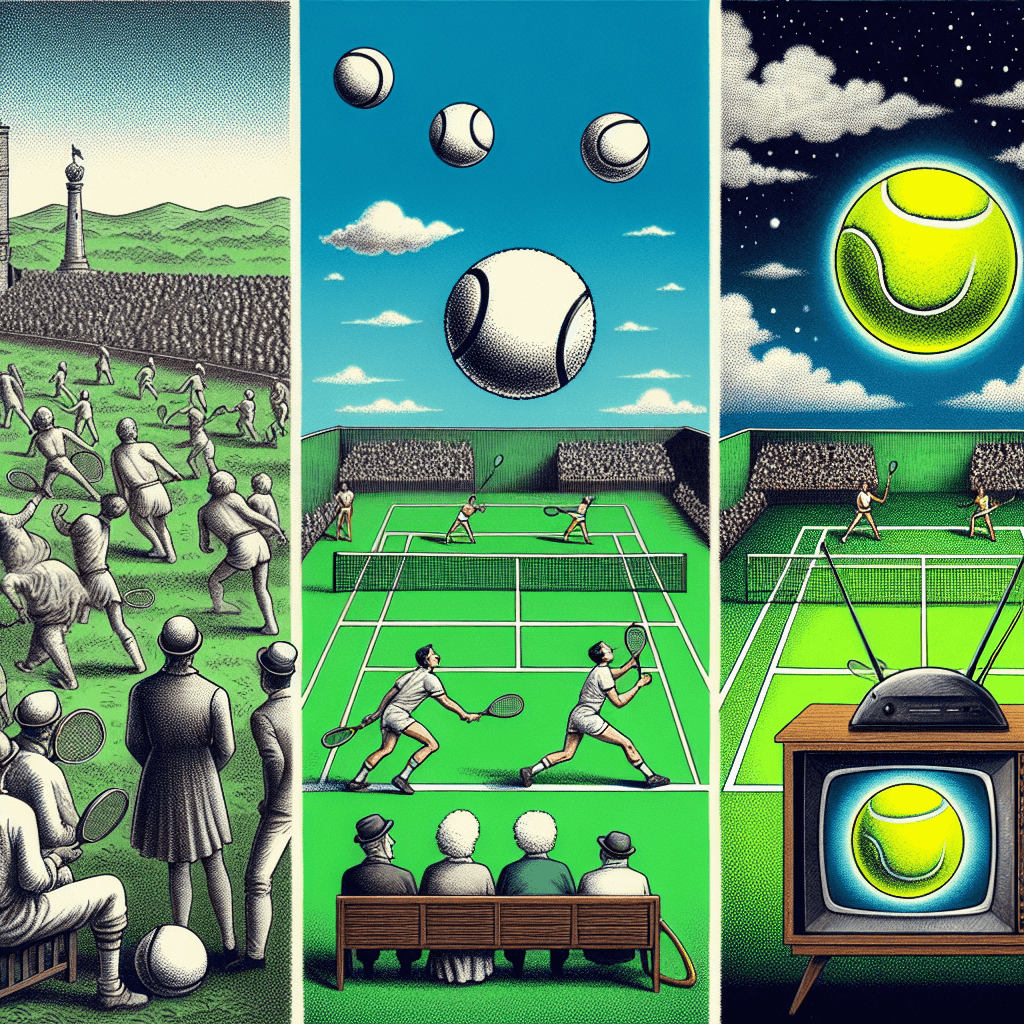
Too Long; Didn't Read
Tennis balls transitioned from white to neon yellow to improve visibility for color television audiences. Research revealed that fluorescent yellow was easier for viewers to track on screen compared to white balls, which often blended into court lines. The change was officially adopted in 1972 to enhance the home viewing experience.
From White to Bright: Why Did Tennis Balls Transition from White to Neon Yellow After the Arrival of Color Television?
Imagine tuning in to watch a high-stakes tennis match in the late 1960s. As the players move gracefully across the court, you realize you are squinting not at the sun, but at your television screen, trying to track a ball that seems to vanish into thin air. For nearly a century, tennis balls were traditionally white or black, a choice that worked perfectly for spectators sitting courtside. However, the dawn of color television changed everything.
The shift from classic white to the vibrant "optic yellow" we see today was not an aesthetic whim or a marketing gimmick. Instead, it was a calculated response to the technological limitations of early broadcasting and a desire to enhance the viewer experience. This blog post explores the fascinating history of why tennis balls transitioned from white to neon yellow after the arrival of color television, detailing the scientific research and broadcasting challenges that fueled this sporting revolution.
The Era of the White Tennis Ball
For the majority of the sport’s history, tennis balls were white. On the lush green grass of the All England Club or the dark clay of Roland Garros, a white ball provided sufficient contrast for the human eye in person. Players and live spectators had little trouble tracking the ball's trajectory. According to historical records from the International Tennis Hall of Fame, white remained the standard color for the first century of the game's organized existence.
While some black balls were occasionally used to provide contrast against light-colored backgrounds, white was the undisputed king of the court. It symbolized the "clean" and traditional nature of the sport. However, as the 1960s progressed, a new medium began to dominate how people consumed sports: the color television.
The Color TV Challenge: The "Invisible" Ball
When color broadcasting was first introduced, it was a technological marvel, but it came with significant hurdles. Early color television sets lacked the high resolution and refresh rates of modern displays. This created two primary problems for tennis fans watching at home:
- The Blur Effect: At high speeds, a white tennis ball often appeared as a faint, ghostly streak across the screen, making it nearly impossible to follow during fast volleys or serves.
- Background Blending: White balls frequently "washed out" against the white clothing of the players, the white boundary lines of the court, or the bright glare of sunlight reflecting off the playing surface.
According to the BBC, Sir David Attenborough—who was the controller of BBC2 at the time—was instrumental in bringing color broadcasts to the Wimbledon Championships in 1967. It quickly became apparent that while the grass looked vibrant, the ball was essentially a moving blind spot for the audience.
The Science of "Optic Yellow"
In response to these visibility issues, the International Tennis Federation (ITF) commissioned a study to find a color that would be more discernible for television viewers. The goal was to identify a shade that remained distinct regardless of the background or the speed of the game.
Research Findings
The research concluded that fluorescent colors were the most effective. Specifically, a hue known as "optic yellow" was found to be the most visible to the human eye when viewed on a screen. This is because:
- High Contrast: The neon yellow shade provided a sharp contrast against the green of grass courts, the reddish-brown of clay, and the blue or green of hard courts.
- Color Sensitivity: Human vision is naturally more sensitive to the yellowish-green part of the light spectrum, especially in the fluorescent range, which allows the brain to process the ball's movement more quickly.
The Official Transition and the Wimbledon Holdout
Based on these findings, the ITF officially introduced yellow tennis balls into the rules of the game in 1972. While most of the tennis world embraced the change almost immediately to cater to television audiences, one major institution resisted: Wimbledon.
Driven by a deep-seated respect for tradition, the All England Club continued to use white tennis balls for over a decade after the rest of the professional circuit had switched. It wasn't until 1986 that Wimbledon finally transitioned to yellow balls. This change was largely credited to the continued pressure from broadcasters and fans who found the white balls increasingly difficult to track on modern television sets.
Conclusion
The transition of tennis balls from white to neon yellow serves as a perfect example of how technology can influence the evolution of a sport. What began as a traditional equipment choice was ultimately overturned by the necessity of the digital age. By prioritizing the "optic yellow" shade, the ITF ensured that tennis became more accessible, engaging, and watchable for a global audience.
Today, the neon yellow ball is an iconic symbol of the sport, recognized instantly by fans and non-fans alike. It stands as a testament to a period when sports officials had to look through the lens of a camera to see the future of their game. As broadcasting technology continues to advance into 4K and 8K resolutions, we may take visibility for granted, but we owe that clarity to a decision made over fifty years ago.


