
Why did Victorian houses have a special fainting room for women
We blame the tight-laced corsets for those dramatic swoons, but the true purpose of the fainting room was less about fashion and more about a carefully constructed social cage.

Too Long; Didn't Read
TLDR: So-called fainting rooms were actually private parlors where Victorian women could recover from fainting spells caused by dangerously tight corsets and the widespread medical diagnosis of female hysteria.
Beyond the Swoon: Why Did Victorian Houses Have a Special Fainting Room for Women?
The image is a classic one: a 19th-century woman, overwhelmed by emotion or a shocking revelation, places a delicate hand to her forehead and gracefully collapses onto a nearby sofa. This dramatic swoon has become a staple of period dramas, leading to the popular belief that every grand Victorian home had a room designed specifically for this purpose. But was the "fainting room" a real architectural feature, or is it merely a romantic myth? The truth, as is often the case with history, is a fascinating mix of both. This post will unravel the medical, social, and fashion-related reasons that necessitated a private space for women to recover in the Victorian era.
The Reality of the "Fainting Room"
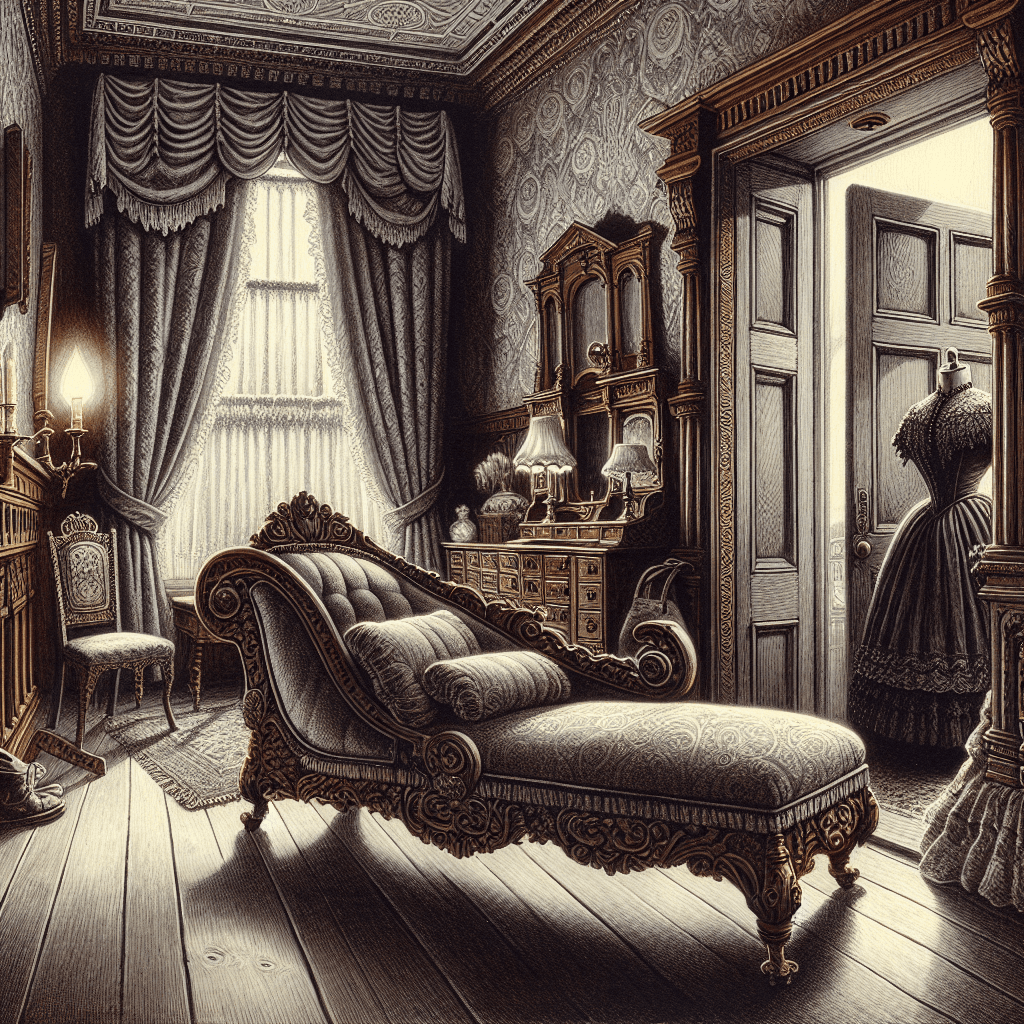
First, let's clarify a common misconception. It was exceedingly rare for a house to have a room labeled "The Fainting Room" on its blueprints. Instead, this function was served by an existing space, typically a small, private parlor located on the ground floor known as a "withdrawing room," boudoir, or morning room.
Unlike the main parlor, which was a public space for entertaining guests, this room was a sanctuary for the lady of the house. Its crucial feature was its location. Having a quiet place to retreat on the main floor was a practical necessity for a woman who might suddenly feel unwell, saving her the arduous and often impossible task of climbing multiple flights of stairs in a cumbersome dress to reach her bedroom.
The Corset: Fashion That Took Your Breath Away
Perhaps the most significant physical contributor to the "swooning" phenomenon was the corset. More than just an undergarment, the Victorian corset was an engineering marvel of whalebone, steel, and tightly pulled laces, designed to achieve the era's ideal female silhouette: a tiny waist and an exaggerated hourglass figure.
This fashionable constriction had severe physiological consequences:
- Restricted Breathing: A tightly laced corset could reduce lung capacity by a significant margin, making it difficult to take a full, deep breath.
- Impeded Blood Flow: The pressure on the torso could interfere with circulation, leading to dizziness and lightheadedness.
- Organ Displacement: Over time, extreme corseting was known to shift internal organs, causing a host of chronic health issues.
In a stuffy, crowded ballroom or after mild physical exertion, a woman constrained by her corset could easily become faint from a lack of oxygen. The need for a nearby room to loosen her stays and catch her breath was not a matter of drama, but of genuine physical distress.
Medical Misconceptions and "Female Hysteria"
The Victorian era's understanding of female health was deeply rooted in patriarchal assumptions. Women were widely considered to be the "weaker sex"—physically fragile, emotionally volatile, and governed by a delicate nervous system.
A wide array of symptoms in women, from anxiety and shortness of breath to irritability and fainting spells, were often diagnosed under the catch-all term "female hysteria." This wasn't seen as a sign of an underlying physical issue (like, for example, the effects of a corset) but rather as an inherent and untreatable part of being a woman. Fainting, therefore, was viewed as a natural and almost expected feminine reaction to emotional shock, excitement, or stress. A private room where a woman could recover from such an "episode" without disrupting social proceedings reinforced these societal views of female delicacy.
Poor Air Quality and Social Pressure
Finally, the very environment of a Victorian home contributed to the problem. Homes were lit by gas lamps that consumed oxygen and often leaked fumes. They were heated by coal fires that produced smoke and soot, and ventilation was frequently poor. A crowded drawing-room, filled with people and lit by numerous gaslights, could quickly become hot and stuffy—the perfect recipe for a fainting spell. The withdrawing room offered a woman a vital escape to a quieter, more private space with potentially better air, allowing her to recover her senses away from the public gaze.
A Room of One's Own
In conclusion, the "fainting room" was less a dedicated space and more a multi-purpose haven born from a perfect storm of cultural and physical pressures. While the name itself may be more folklore than fact, the need for such a space was very real. Driven by the dangerous demands of fashion, prevailing medical biases that dismissed women's health concerns, and the practicalities of architectural design, the Victorian withdrawing room stands as a powerful symbol. It is a quiet testament to the restrictive world in which 19th-century women lived and a fascinating glimpse into how their society was built—quite literally—around their perceived fragility.


