
Why did Victorian inventors create tea cups with a small ceramic bridge to protect waxed mustaches from melting
In an age where a single sip of tea could cause a grooming catastrophe, Victorian inventors crafted a bizarre yet brilliant solution for the dapper gentleman. Discover the secret history of the "mustache cup" and how it saved thousands of sculpted whiskers from a soggy, melting disaster.

Too Long; Didn't Read
Victorian mustache cups featured a built-in ceramic bridge designed to keep a man's facial hair dry and away from hot liquid. This prevented steam and tea from melting the stiffening wax used to style elaborate mustaches, ensuring they remained perfectly groomed while drinking.
The Moustache Cup: Why Did Victorian Inventors Create Tea Cups with a Small Ceramic Bridge to Protect Waxed Mustaches from Melting?
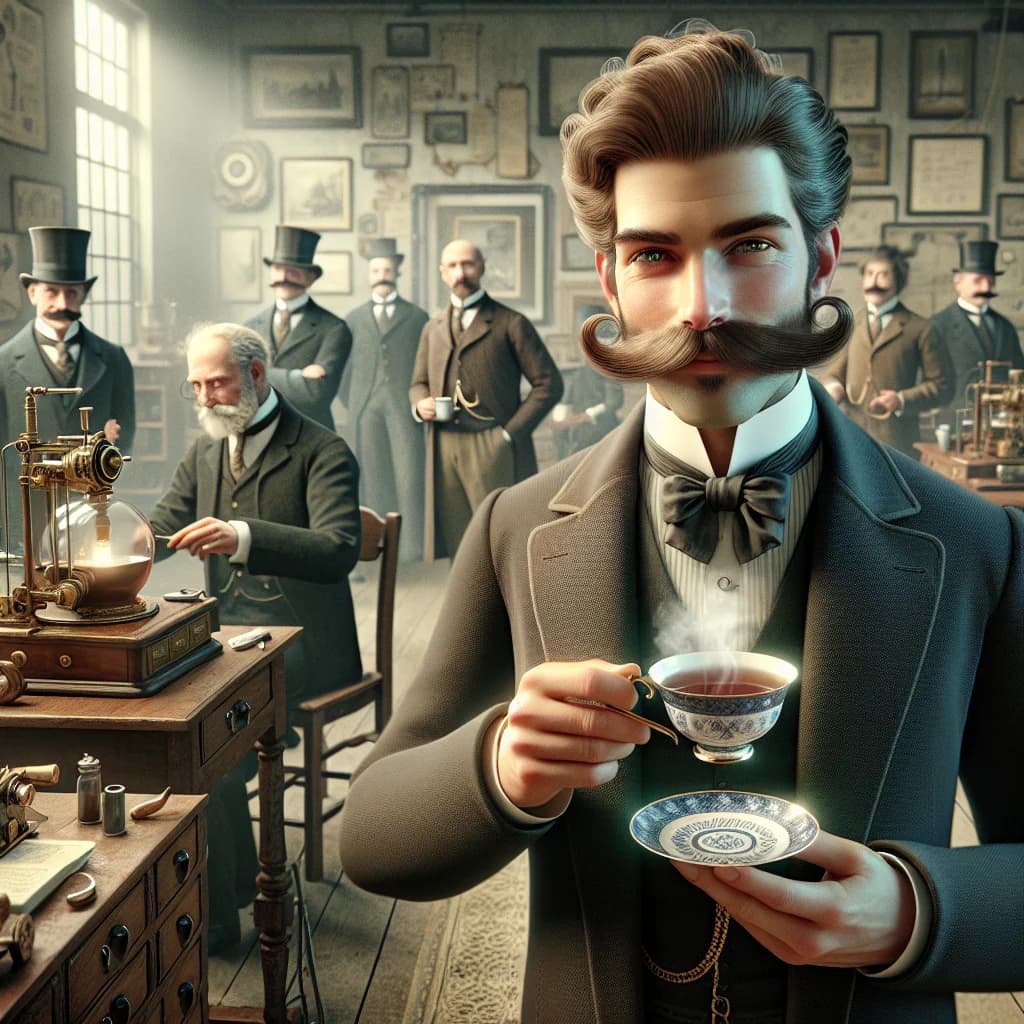
Imagine a Victorian gentleman, impeccably dressed, sitting down for high tea. He leans in to enjoy a steaming cup of Earl Grey, but as he takes a sip, disaster strikes: the rising steam softens his meticulously styled facial hair, causing his mustache to droop sadly into his drink. For the Victorian elite, maintaining a sharp appearance was a matter of social survival, yet the very ritual of tea drinking threatened their dignity. To solve this peculiar problem, English potter Harvey Adams revolutionized the tea set in the 1860s. This blog post explores the fascinating history of the "moustache cup" and why Victorian inventors created tea cups with a small ceramic bridge to protect waxed mustaches from melting.
The Era of the "Great Mustache"
To understand the invention of the mustache cup, one must first understand the grooming standards of the 19th century. From the 1850s through the end of the Victorian era, facial hair was not merely a style choice; it was a symbol of masculinity, authority, and British imperial pride.
According to historical records of the British Army, from 1860 until 1916, it was actually a military requirement for soldiers to have a mustache. Specifically, King’s Regulations stated that "the hair of the head will be kept short. The chin and under the lip will be shaved, but not the moustache." This military influence permeated civilian life, leading to the rise of elaborate, often gravity-defying handlebar mustaches among the upper and middle classes.
The Chemistry of Victorian Grooming
Maintaining these elaborate styles required more than just a comb. Gentlemen used "stiffeners" to keep their mustaches in place. These products typically consisted of:
- Beeswax: The primary ingredient used for its holding power.
- Lard or Tallow: Used to provide a smoother texture.
- Oils and Scents: To mask the smell of animal fats and add a pleasant aroma.
While these waxes were effective at room temperature, they had a significant weakness: a low melting point. When a gentleman held a cup of hot tea or coffee to his face, the rising steam acted as a localized sauna. The heat would rapidly soften the wax, causing the mustache to lose its shape, droop, and occasionally drip wax directly into the beverage. This was not only a grooming catastrophe but also a breach of Victorian etiquette.
The Invention: Harvey Adams’ Ceramic Solution
In the mid-1860s, Harvey Adams, a potter in Longton, Staffordshire, identified a market opportunity in this grooming dilemma. He realized that if he could create a barrier between the hot liquid and the facial hair, he could save the Victorian gentleman from embarrassment.
How the Mustache Cup Worked
The design was remarkably simple yet effective. Adams added a crescent-shaped ceramic ledge—often referred to as a "bridge" or "moustache guard"—across the top of the tea cup.
- The Ledge: The bridge featured a small, semi-circular opening against the side of the cup.
- The Mechanism: When the user tilted the cup, the bridge acted as a physical shield. The mustache rested safely on top of the ceramic ledge, while the tea flowed through the opening and into the mouth.
- Steam Diversion: By covering half of the cup's surface area, the bridge significantly reduced the amount of steam hitting the wearer's face.
Popularity and Specialization
The invention was an instant success. Between 1860 and 1910, mustache cups were mass-produced by famous pottery houses such as Meissen, Royal Crown Derby, and Wedgwood. Because tea sets were often given as gifts, many of these cups featured intricate hand-painted designs or the word "Father" or "A Present" inscribed in gold leaf.
While the majority of cups were designed for right-handed users, a few rare "left-handed" mustache cups were created for the southpaw gentleman, featuring the bridge on the opposite side. This period of innovation also saw the creation of "moustache spoons," which featured a similar metal guard to protect facial hair while eating soup.
Conclusion
The mustache cup stands as a testament to the Victorian era's unique blend of rigid social standards and practical ingenuity. Why did Victorian inventors create tea cups with a small ceramic bridge to protect waxed mustaches from melting? They did so because the preservation of a gentleman's public image was worth the price of a specialized piece of pottery. These cups remained a household staple until the end of World War I, when the trend of heavy facial hair began to decline in favor of the clean-shaven look mandated by the use of gas masks in the trenches.
Today, these cups are prized by collectors and historians as a charming reminder of a time when tea drinking and grooming were inseparable arts. If you happen to encounter one in an antique shop, you are looking at a clever solution to one of history’s most specific fashion emergencies.


