
Why did Victorians use special teacups with a built-in porcelain ledge to protect their waxed moustaches
Step into an era where a simple cup of hot tea could literally melt a man’s reputation. Discover the bizarre and ingenious history of the moustache cup, the Victorian gentleman's secret weapon for keeping his facial hair flawless while he sipped.

Too Long; Didn't Read
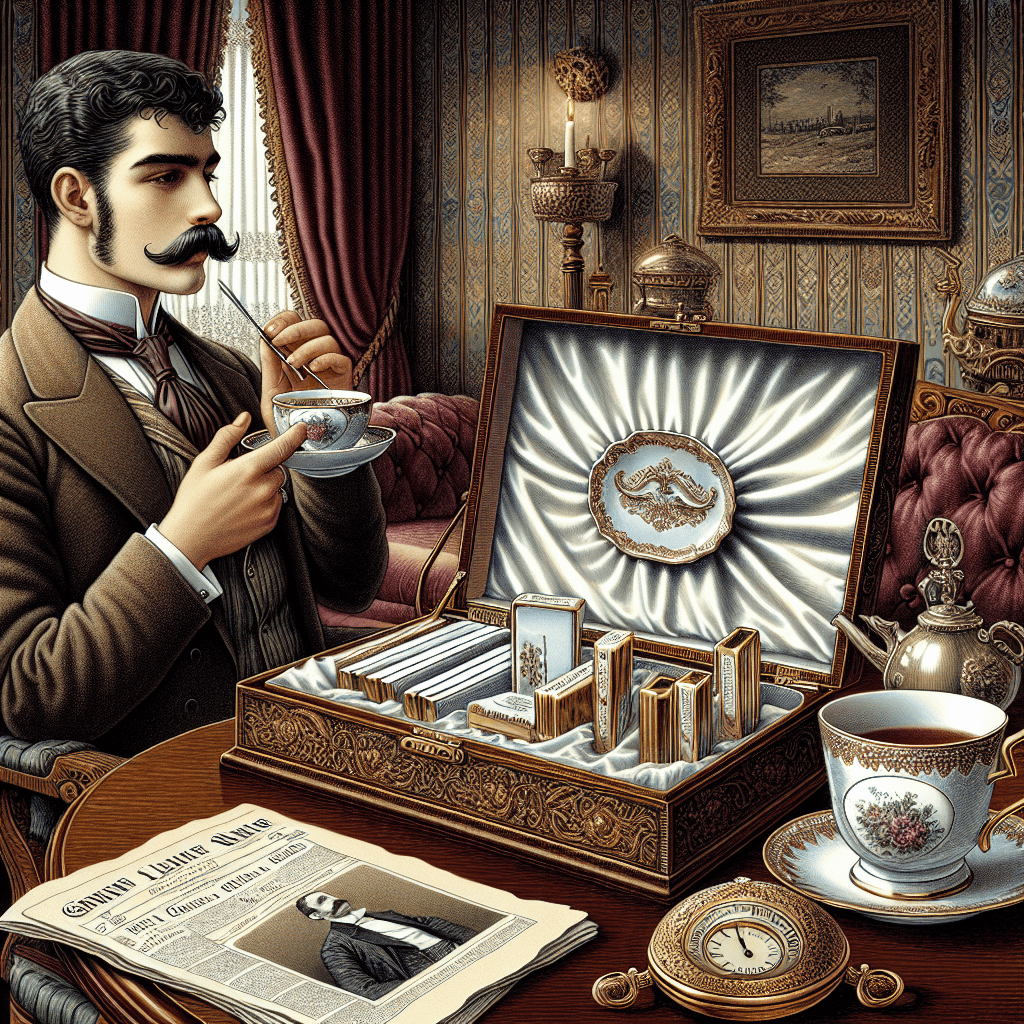
Victorian men used moustache cups with built-in porcelain ledges to prevent hot tea and steam from melting their styling wax. The ledge acted as a guard, keeping facial hair dry and intact while ensuring wax did not drip into the beverage.
The Secret of the Moustache Cup: Why Did Victorians Use Special Teacups with a Built-In Porcelain Ledge to Protect Their Waxed Moustaches?
In the modern era, grooming trends often prioritize convenience and minimalism. However, during the mid-to-late 19th century, masculine fashion was governed by a strict set of aesthetic rules that demanded significant upkeep. If you were a gentleman in the 1860s, your facial hair was not merely a personal choice; it was a symbol of status, virility, and Victorian decorum. Yet, this commitment to grooming created an unexpected logistical nightmare during the most sacred of British rituals: tea time. To solve the problem of melting facial wax and soggy whiskers, a unique piece of ceramic engineering was born. But why did Victorians use special teacups with a built-in porcelain ledge to protect their waxed moustaches? The answer lies in the intersection of high fashion, chemistry, and social etiquette.
The High Cost of the Victorian "Stiff Upper Lip"
To understand the necessity of the moustache cup, one must first understand the intensity of Victorian grooming. Following the "Beard Movement" of the 1850s—a shift influenced by British soldiers returning from the Crimean War with rugged facial hair—the moustache became a staple of the masculine identity. By the late 1800s, it was rare to see a man of standing without meticulously styled facial hair.
However, achieving the perfect "handlebar" or "imperial" look required more than just trimming. Men used various substances to keep their moustaches in place:
- Beeswax: The primary ingredient for hold.
- Tallow or Lard: Often used to soften the mixture.
- Pomades: Scented oils used for shine.
- Dyes: To ensure a uniform, youthful color.
While these waxes were effective at room temperature, they had a fatal flaw: they were highly susceptible to heat.
The Chemistry of the Tea Time Crisis
The Victorian tea ceremony involved piping hot liquids and rising steam. When a gentleman tilted a standard teacup to his lips, two things happened that threatened his dignity. First, the steam from the tea would soften the wax, causing the carefully curled ends of the moustache to droop or "wilt." Second, the wax and dyes would frequently melt directly into the tea.
According to historical records from the Potteries Museum & Art Gallery, this created both an aesthetic and a culinary problem. Not only did the gentleman lose his groomed appearance, but he also ended up drinking a tea tainted with the taste of tallow and scented pomade. In a society that prized "keeping up appearances," a drooping, oily moustache at a social gathering was a significant embarrassment.
Harvey Adams and the Porcelain Solution
The solution arrived in the 1860s courtesy of Harvey Adams, a British potter based in Stoke-on-Trent. Adams realized that by adding a simple horizontal ledge across the rim of the cup, he could create a protective barrier.
Key Features of the Moustache Cup:
- The Mustache Guard: A butterfly-shaped or crescent-shaped porcelain bridge fired into the rim of the cup.
- The Sip-Hole: A small opening against the side of the cup that allowed liquid to pass through while the ledge held the facial hair safely above the surface.
- Left-Handed Variations: While rare, some manufacturers produced cups for left-handed gentlemen, as the guard had to be placed on the opposite side to be functional.
The innovation was an immediate success. Harvey Adams’ firm, and eventually many others across Europe and America, began mass-producing these cups in various styles, from delicate fine bone china to sturdy earthenware.
A Symbol of Victorian Social Status
Beyond their utility, moustache cups became a popular gift item. They were often inscribed with phrases such as "A Present for a Friend" or "Think of Me," making them common birthday or Christmas gifts for the patriarch of the family. Because they were specialized items, owning a set of moustache cups signaled that a household was both fashionable and attentive to the nuances of proper etiquette.
The Decline of the Moustache Guard
The popularity of the moustache cup peaked between 1860 and 1910, but its demise was swift. Several factors contributed to its disappearance:
- World War I: The requirements for soldiers to wear gas masks necessitated clean-shaven faces, leading to a massive shift in global grooming trends.
- Changing Fashions: Post-war "Modernism" favored the clean-shaven look or the smaller "toothbrush" moustache, which did not require heavy waxing.
- Hygiene Movements: Early 20th-century health reformers began to view long, waxed moustaches as "germ traps," discouraging the elaborate styles that required protective teaware.
Conclusion
The moustache cup remains one of the most charming examples of Victorian ingenuity. Why did Victorians use special teacups with a built-in porcelain ledge to protect their waxed moustaches? They did so to preserve the rigid social mask required of the era, ensuring that even the simple act of drinking tea did not compromise their carefully cultivated image. Today, these cups are highly prized by collectors and historians as a physical reminder of a time when fashion was a labor-intensive pursuit. While we may no longer need porcelain bridges to enjoy our morning brew, the moustache cup stands as a testament to an age that valued decorum, craftsmanship, and the perfect "stiff upper lip."


