
Why do aluminum cans have all those rings around them
They're not for grip or style; those rings are a feat of engineering that keeps the paper-thin can from bursting under the immense pressure of the liquid inside.

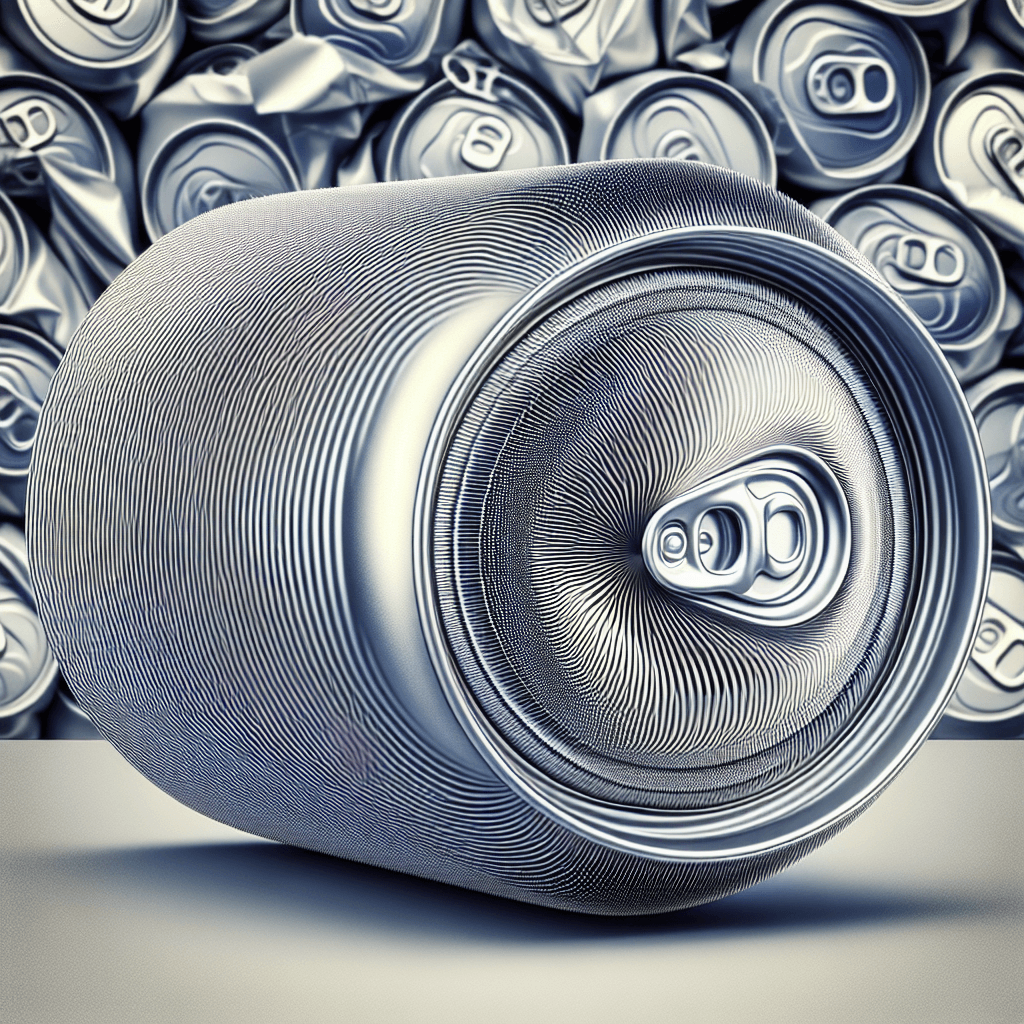
Too Long; Didn't Read
TLDR: The rings add strength to the can's thin aluminum walls, preventing it from being crushed during shipping and from bursting due to the pressure of the carbonated drink inside. This design makes the can strong while using less metal.
Cracking the Code: Why Do Aluminum Cans Have All Those Rings Around Them?
Have you ever stopped to think about the humble aluminum can? You grab one from the fridge, hear that satisfying psst as you pop the tab, and enjoy your favorite beverage. We handle them every day, but we rarely notice the subtle design features, like those horizontal rings or ridges that encircle the can. Are they just for decoration? A better grip? The answer is a fascinating lesson in clever engineering, proving that these rings are far from random.
This blog post will delve into the science and design behind this ubiquitous feature. We'll explore why those simple rings are the secret to the aluminum can's incredible strength, efficiency, and success as the world's most popular beverage container.
The Primary Purpose: A Skeleton for Strength
The number one reason for the rings on an aluminum can is structural integrity. Think of the rings as the can’s exoskeleton. The walls of a modern aluminum can are incredibly thin—often less than the thickness of a human hair—to save on material costs and weight. While this makes the can lightweight and recyclable, it also makes it inherently flimsy.
This is where the rings come in. They function much like the corrugation in a cardboard box; the folds and ridges add immense rigidity and strength to a thin, flexible material. An aluminum can must withstand significant forces from both the inside and the outside.
- Internal Pressure: Carbonated drinks exert a surprising amount of constant outward pressure, often two to three times that of the atmosphere around us. Without reinforcement, this pressure would easily bulge and burst the thin aluminum walls. The rings help the can resist this "hoop stress," distributing the force evenly and preventing the can from deforming.
- External Pressure: During production, transportation, and stacking, cans are subjected to immense external forces. They are stacked high on pallets and jostled in trucks. The rings prevent the can from buckling or being crushed under this weight, ensuring it reaches you in perfect condition.
The Science of a Thin-Walled Pressure Vessel
In engineering terms, a beverage can is a "thin-walled pressure vessel." The cylindrical shape is naturally one of the strongest for containing pressure. However, creating a cylinder strong enough to hold a carbonated beverage using a flat, smooth sheet of ultra-thin aluminum would be nearly impossible. It would crumple with the slightest pressure.
By adding the precisely engineered rings (technically called "beads" or "flanges" by designers), manufacturers can use significantly less aluminum. The ridges provide the necessary reinforcement exactly where it's needed, allowing the can to maintain its shape under pressure. This design marvel means billions of cans can be produced every year using the minimum amount of material possible, which has huge economic and environmental benefits.
More Than Just Strength: Other Key Benefits
While structural integrity is their main job, the rings on an aluminum can serve a few other useful purposes.
Enhanced Grip
Those ridges aren't just for show; they also improve the can's handling. The textured surface provides a better grip, which is especially helpful when the can is cold and slippery from condensation. It’s a small, but thoughtful, piece of user-friendly design.
Manufacturing and Handling Efficiency
The rings also play a role on the assembly line. During the high-speed manufacturing process, machinery needs to grip and move the empty cans without damaging their delicate walls. The rings provide a secure point of contact for this machinery, ensuring a smooth and efficient production process.
Conclusion: An Everyday Engineering Marvel
So, the next time you hold a cold beverage can, take a moment to appreciate those simple rings. They aren't just a stylistic choice; they are a brilliant and efficient engineering solution that makes the modern aluminum can possible. These ridges allow the can to be incredibly lightweight yet strong enough to withstand both internal carbonation pressure and the rigors of its journey to your hand. It’s a perfect example of how clever design is all around us, often hidden in plain sight, making our lives more convenient one sip at a time.


