
Why do car back doors have that little triangular window that doesn't open
That small, unopenable window on your car's back door isn't a design flaw—it's a genius engineering solution to a problem hidden within the door itself.

Too Long; Didn't Read
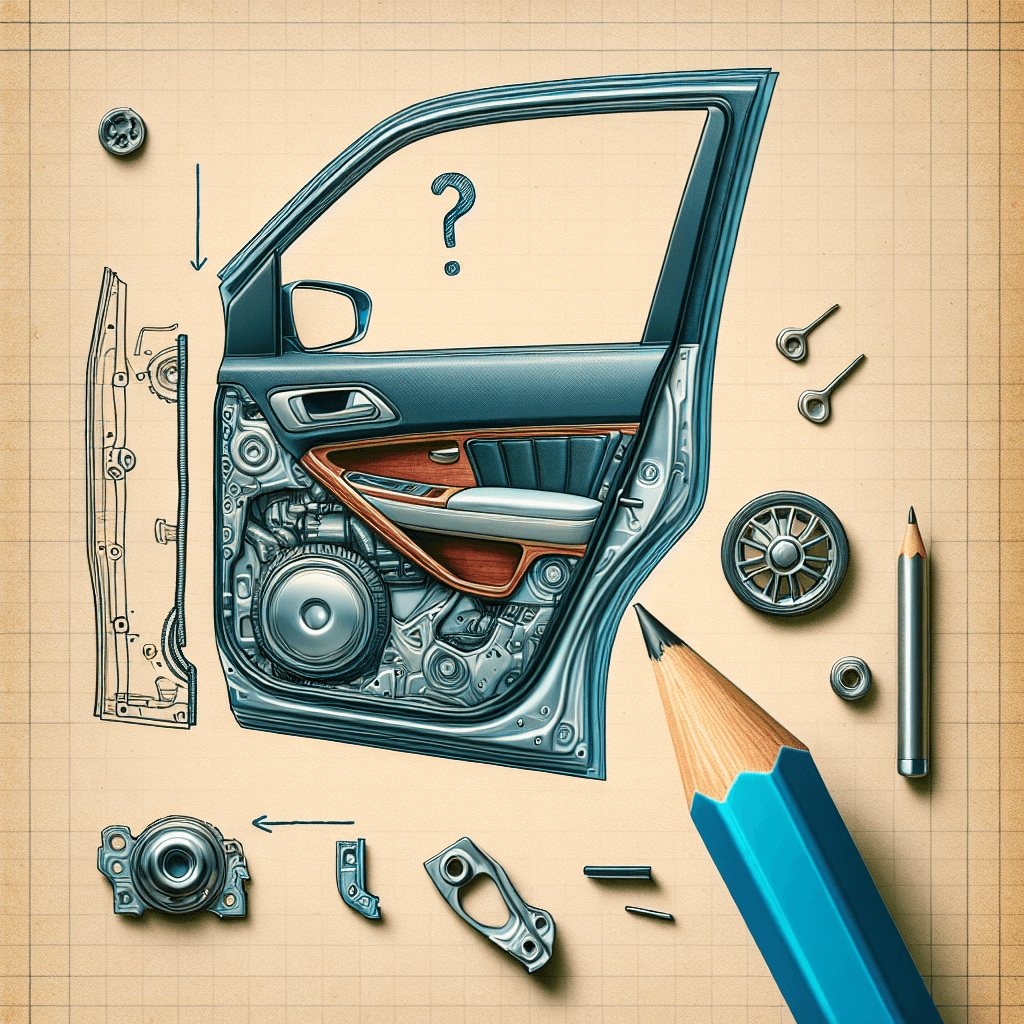
The rear door is shaped around the wheel arch, so a full-size window can't roll all the way down. That small, fixed triangle window simply fills the leftover space.
The Quarter Glass Conundrum: Why Do Car Back Doors Have That Little Triangular Window That Doesn't Open?
Have you ever sat in the back seat of a car, tried to roll down the window for some fresh air, and noticed it only goes down part of the way? Then, you probably glanced over at that small, fixed triangular piece of glass next to it and wondered, "What's the point of that?" It’s a common observation, but this tiny window is far from a useless design quirk. In fact, it's a brilliant piece of engineering that solves a fundamental problem in modern car design.
This seemingly insignificant pane of glass, known as a "quarter glass" or "valance window," is a critical component. This blog post will demystify this unsung hero of automotive design, exploring the clever geometric, structural, and safety reasons behind its existence.
## The Main Event: A Simple Problem of Geometry
The primary reason for the fixed quarter glass is surprisingly simple: there's nowhere for a full-sized window to go.
Take a look at the shape of a car's rear door. Unlike the front door, which is mostly rectangular, the rear door has a large chunk of its lower-back corner cut out to make room for the rear wheel arch.
If the rear window were a single, large piece of glass, it would be physically impossible for it to retract fully into the door panel when you roll it down. As it descended, its back edge would collide with the mechanical components and the curved inner structure of the wheel well. The window would simply get stuck.
Automotive engineers solved this puzzle by splitting the window into two parts:
- The Main Window: A large, rectangular pane that can slide straight down into the unobstructed portion of the door cavity.
- The Quarter Glass: A small, fixed pane that covers the immovable section of the door frame directly above the wheel arch.
This clever division allows passengers to have the largest possible opening window while ensuring the entire glass area is covered, a perfect compromise between functionality and physical limitations.
## More Than Just a Pretty Pane: The Hidden Benefits
While solving the retraction problem is its main job, the quarter glass serves several other important functions that enhance a car's safety, visibility, and design.
### Structural Integrity
That small window isn't just sitting there; it's part of a reinforced pillar that adds significant rigidity to the car's overall frame. This structural element, often integrated with the car's C-pillar (the pillar behind the rear door), helps maintain the integrity of the passenger cabin in the event of a side-impact collision or a rollover. A solid metal pillar with a small, fixed window is much stronger than a large, open frame designed for a single piece of retractable glass.
### Improved Visibility
Imagine if engineers replaced that small window with a solid, thick metal or plastic panel. This would create a significant blind spot for the driver when checking over their shoulder to change lanes. The quarter glass allows light to pass through, reducing the size of this blind spot and making the driver more aware of their surroundings. For passengers, it also makes the back seat feel more open and less claustrophobic.
### Design Freedom
The two-part window design gives automotive stylists more freedom. It allows them to create the sleek, sloping rooflines and dynamic window shapes that are popular in modern cars without sacrificing the functionality of a roll-down rear window. The pillar separating the two panes of glass becomes a deliberate design element that can be used to accentuate the car's lines.
## Conclusion: An Elegant Engineering Solution
So, the next time you get into the back of a car, take a moment to appreciate that little triangular window. It’s not a manufacturing oversight or a useless decoration. It is a testament to clever problem-solving, an elegant solution to a geometric puzzle posed by the rear wheel well. It masterfully balances the desire for an open window with the physical constraints of the car's body. By enabling the main window to open, strengthening the car's frame, and improving visibility, the humble quarter glass proves that in great design, every single component has a crucial purpose.


