
Why do cartoon characters hear a high-pitched ring after an explosion
That iconic ringing sound isn't just a funny cartoon gag; it’s the surprisingly accurate depiction of a real-life medical condition caused by trauma.

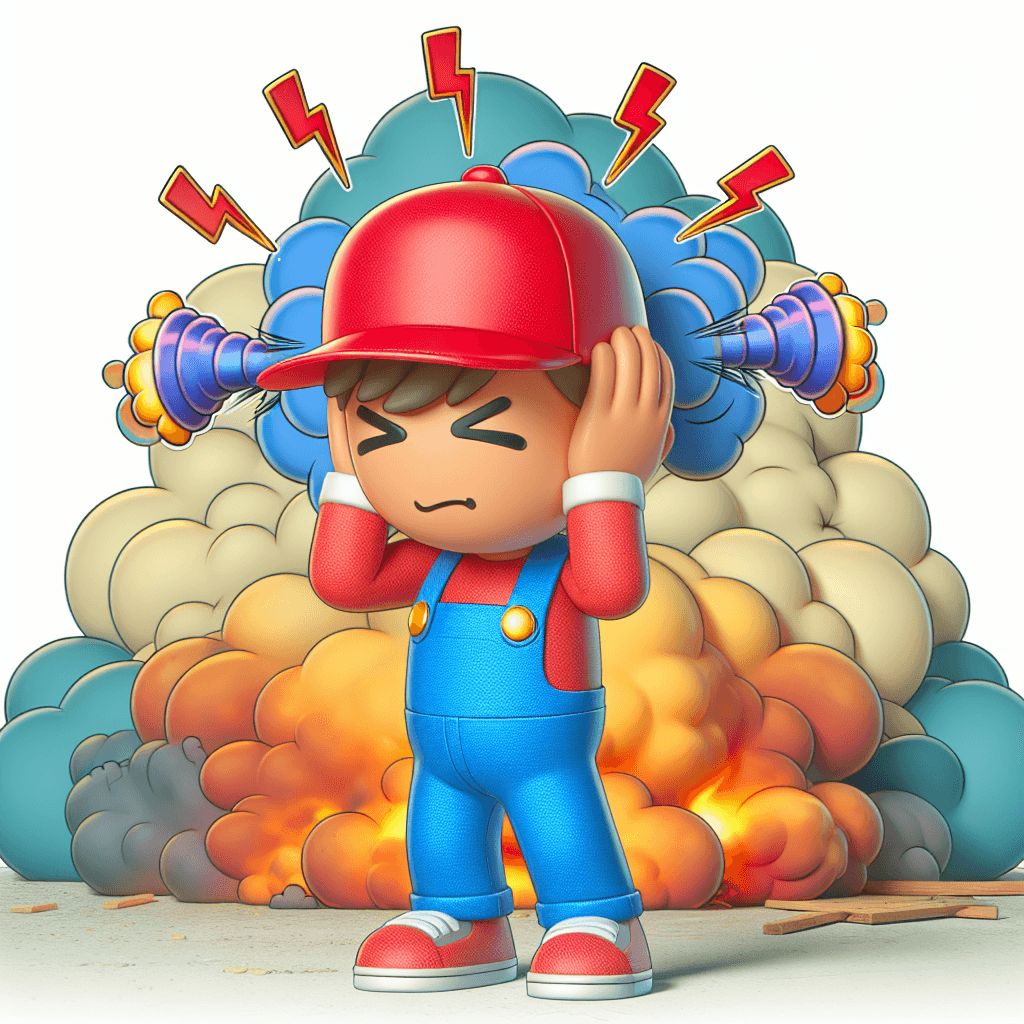
Too Long; Didn't Read
TLDR: The ringing is a cartoon version of tinnitus, a real condition caused when a loud blast damages the inner ear. It is an audio cue to show the character is stunned and disoriented.
Blog Post Title: The Sound of Slapstick: Why Do Cartoon Characters Hear a High-Pitched Ring After an Explosion?
It’s a classic visual. Wile E. Coyote, covered in soot after an ACME rocket misfires, stumbles around with stars circling his head. But it’s the sound that completes the scene: a persistent, high-pitched "eeeeeee" that fills the air. This auditory trope is a staple of animation, instantly communicating that a character is dazed, disoriented, and temporarily out of commission. While it’s a source of comedy on screen, this ringing is not just a random sound effect invented for laughs. It’s rooted in a very real, and often serious, medical phenomenon. This post will unpack the science behind the slapstick, exploring how cartoons use the genuine physiological effect of an explosion on the human ear to tell a story.
What is That Ringing Sound? The Reality of Tinnitus
The high-pitched whine that cartoon characters hear is an auditory shorthand for a condition called tinnitus. Tinnitus is the perception of sound, most commonly a ringing, buzzing, or hissing, when no external sound is present. It's not a disease itself but rather a symptom of an underlying issue, most frequently related to the auditory system.
For millions of people worldwide, tinnitus is a part of daily life. While it's often a minor annoyance, for some it can be a debilitating condition affecting concentration and sleep. The sound that animators use is a remarkably accurate, if simplified, representation of what many people with tinnitus experience. It’s the brain’s way of interpreting faulty signals from the ear, creating a "phantom sound" that only the individual can hear.
From 'BOOM' to 'EEEEE': How Explosions Affect Hearing
So, how does an explosion lead to this specific ringing sound? The answer lies in the delicate anatomy of the inner ear. An explosion creates an incredibly powerful blast wave, a rapid and extreme change in air pressure, followed by a deafeningly loud sound. This event is a form of acoustic trauma.
Our inner ear, or cochlea, is lined with thousands of microscopic hair cells called stereocilia. These cells are responsible for converting sound vibrations into electrical signals that are sent to the brain for interpretation. When exposed to an extremely loud noise like an explosion, these delicate hair cells can be violently bent, damaged, or even destroyed.
When these cells are damaged, they can misfire and "leak" random, abnormal electrical impulses along the auditory nerve to the brain. The brain, not knowing how to interpret these chaotic signals, translates them into a simple, sustained noise—often the high-pitched ringing we associate with post-explosion scenes. This is temporary tinnitus, a direct result of acoustic trauma.
Animation's Auditory Shortcut
Animators in the golden age of cartoons were masters of communication, and they needed quick, effective ways to convey a character's physical state. The ringing sound became the perfect auditory cue for several reasons:
- Universal Understanding: It immediately signals to the audience that the character is dazed and disoriented without needing a single word of dialogue.
- Comedic Shorthand: It’s a key component of the slapstick formula, representing the temporary, non-lethal consequence of cartoon violence. It tells us the character is hurt, but not really hurt.
- Family-Friendly Impact: It allows animators to show the severe effect of an explosion in a non-graphic way, keeping the content light and suitable for all ages.
- Relatable Sensation: While most of us haven't been near an ACME dynamite blast, many have experienced temporary ringing after a loud concert or a firecracker. The sound grounds the fantastical world of cartoons in a recognizable sensory experience.
Conclusion
The high-pitched ring after a cartoon explosion is more than just a funny sound effect; it's a clever and effective narrative tool based on the real-world medical condition of tinnitus caused by acoustic trauma. By borrowing from human physiology, animators created a universal language to depict disorientation and sensory overload in a comedic, digestible way. So, the next time you see a character dazed and hearing that familiar "eeeeeee," you'll know it's a nod to the genuine, jarring experience of our ears being pushed past their limit—a perfect blend of scientific fact and cartoon fiction.


