
Why do coins have tiny ridges on their edges to prevent thieves from secretly shaving off precious metal
Those tiny ridges on your pocket change aren’t just for grip—they’re a centuries-old defense system born from a high-stakes battle against master thieves. Discover how this simple design trick stopped criminals from literally shaving wealth out of thin air.

Too Long; Didn't Read
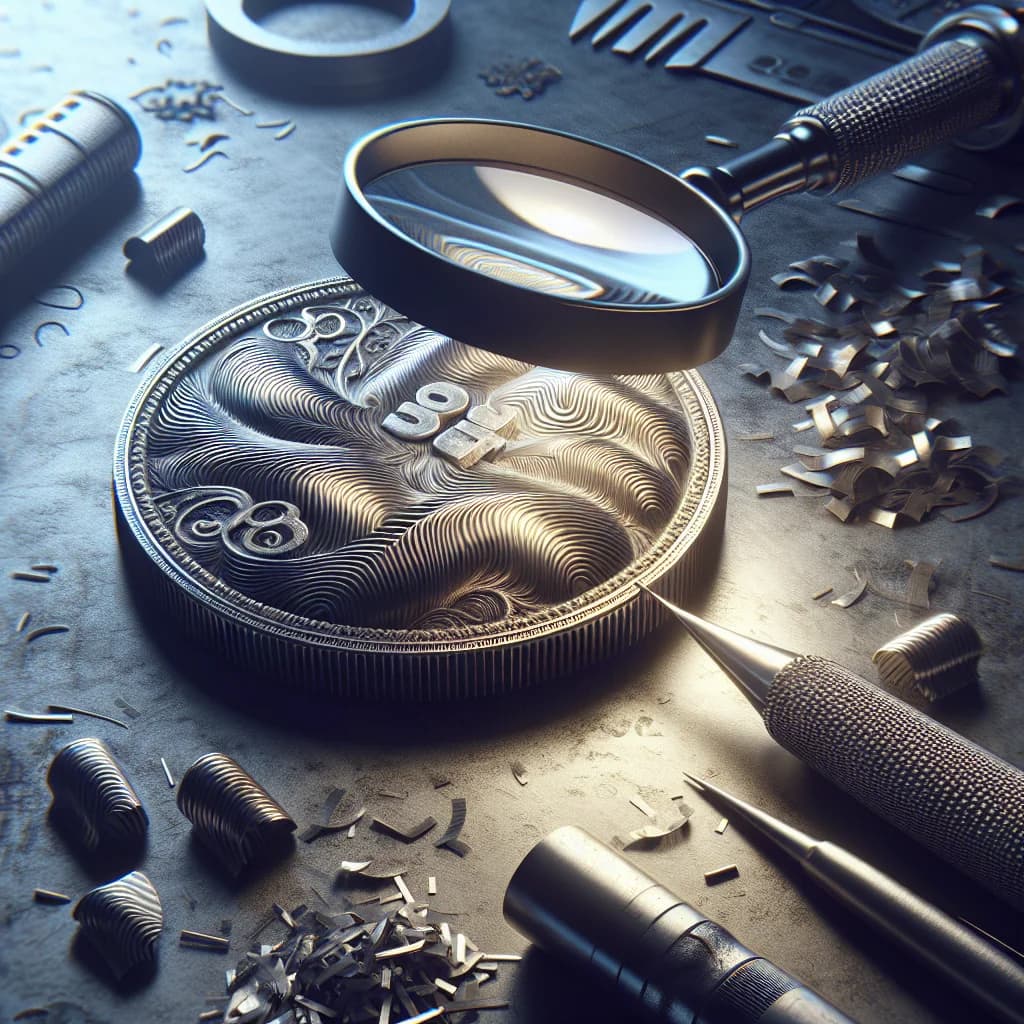
Known as reeding, these ridges were originally added to gold and silver coins to stop people from shaving off the edges to steal precious metal. If the textured pattern was missing or smoothed down, it was immediately clear that the coin had been tampered with and was no longer worth its face value.
The Hidden History of Reeded Edges: Why do coins have tiny ridges on their edges to prevent thieves from secretly shaving off precious metal?
Have you ever absentmindedly run your thumb along the edge of a quarter or a dime and noticed the rough, serrated texture? While it might seem like a simple design choice to improve grip, these tiny ridges—technically known as "reeding"—are actually a sophisticated security feature born out of a centuries-old battle between the government and common criminals. In an era when currency was valued by the weight of the metal it contained, the integrity of a coin’s edge was the only thing standing between a stable economy and widespread fraud. This post explores the fascinating history of "coin clipping" and explains why do coins have tiny ridges on their edges to prevent thieves from secretly shaving off precious metal?
The Rise of Coin Clipping: A Medieval Financial Hack
To understand the ridges, we must first look at the crime they were designed to stop: coin clipping. For much of human history, coins were made from actual precious metals, such as gold and silver. Because the value of the coin was tied directly to its weight, a silver coin was literally worth its weight in silver.
This created a massive incentive for "clippers." Thieves would use shears to snip small slivers of metal from the circumference of a coin. Because the edges were smooth and often irregularly shaped from the hand-striking process, a small amount of missing metal was difficult to notice during a quick transaction. By "clipping" hundreds of coins, a thief could amass a significant pile of precious metal to melt down and sell, while still spending the original coins at their full face value.
Other Methods of Debasement
Clipping wasn't the only method used by the unscrupulous. Other techniques included:
- Sweating: Placing many coins in a glass jar or leather bag and shaking them vigorously. The resulting "dust" would be collected, leaving the coins slightly lighter but looking naturally worn.
- Plugging: Drilling a hole through the center of a coin to remove the gold or silver and filling the void with a cheaper metal like lead.
Isaac Newton and the Introduction of Milled Edges
By the late 17th century, coin clipping had become a national crisis in England. It is estimated that nearly half of the silver coins in circulation were counterfeit or severely debased. This prompted the "Great Recoinage of 1696." During this period, the famous scientist Sir Isaac Newton was appointed as Warden (and later Master) of the Royal Mint.
Newton took his role seriously, applying his scientific mind to the problem of forgery. Under his supervision, the Mint perfected a mechanical process known as "milling." Instead of being struck by hand, coins were produced using horse-drawn or water-powered machinery. Part of this process involved using a specialized collar to press a pattern—ridges or inscriptions—onto the edge of the coin simultaneously with the stamping of the face.
The logic was simple but effective: if a coin had a reeded edge, any attempt to shave or clip the metal would immediately destroy the pattern. A merchant could tell at a glance if a coin’s edge was smooth or distorted, signaling that the currency had been tampered with and was no longer worth its face value.
Why Do Only Certain Coins Have Ridges Today?
If you look at modern U.S. currency, you will notice a curious inconsistency: quarters and dimes have reeded edges, while pennies and nickels are smooth. This difference is a direct vestige of the historical value of the metals involved.
- Silver vs. Base Metals: Historically, U.S. dimes, quarters, and half-dollars were minted from 90% silver. Because these coins contained precious metal, they required the security of reeded edges. Pennies and nickels, however, were made of copper and nickel—base metals that were not valuable enough to make clipping profitable.
- The 1965 Transition: When the United States passed the Coinage Act of 1965, it removed silver from dimes and quarters, replacing it with a "clad" composition of copper and nickel. Technically, the ridges were no longer needed to prevent theft, as the metal itself was worth less than the coin's face value.
- Tactile Identification: Despite the lack of precious metal, the U.S. Mint maintained the ridges for two main reasons: tradition and accessibility. The different edge textures allow the visually impaired to distinguish between a nickel and a quarter or a penny and a dime simply by touch.
Conclusion
The presence of those small ridges on your pocket change is a testament to a time when money was more than just a representational token; it was a physical commodity. Understanding why do coins have tiny ridges on their edges to prevent thieves from secretly shaving off precious metal? provides a unique window into the history of economics and the constant evolution of anti-counterfeiting technology. While we no longer worry about thieves shaving silver from our quarters, the reeded edge remains a functional part of our currency, aiding the visually impaired and serving as a tactile reminder of the days when Isaac Newton fought to protect the integrity of the mint. Next time you reach into your pocket, take a moment to appreciate the centuries of engineering history hidden right on the edge of your change.


