
Why do common wax crayons possess a distinct signature scent because of the processed beef fat they contain
Ever wondered why a fresh box of crayons has that unmistakable, nostalgic aroma? The secret behind that signature scent isn't the wax or the pigment—it’s actually a surprising byproduct of the meat industry hiding in plain sight.

Too Long; Didn't Read
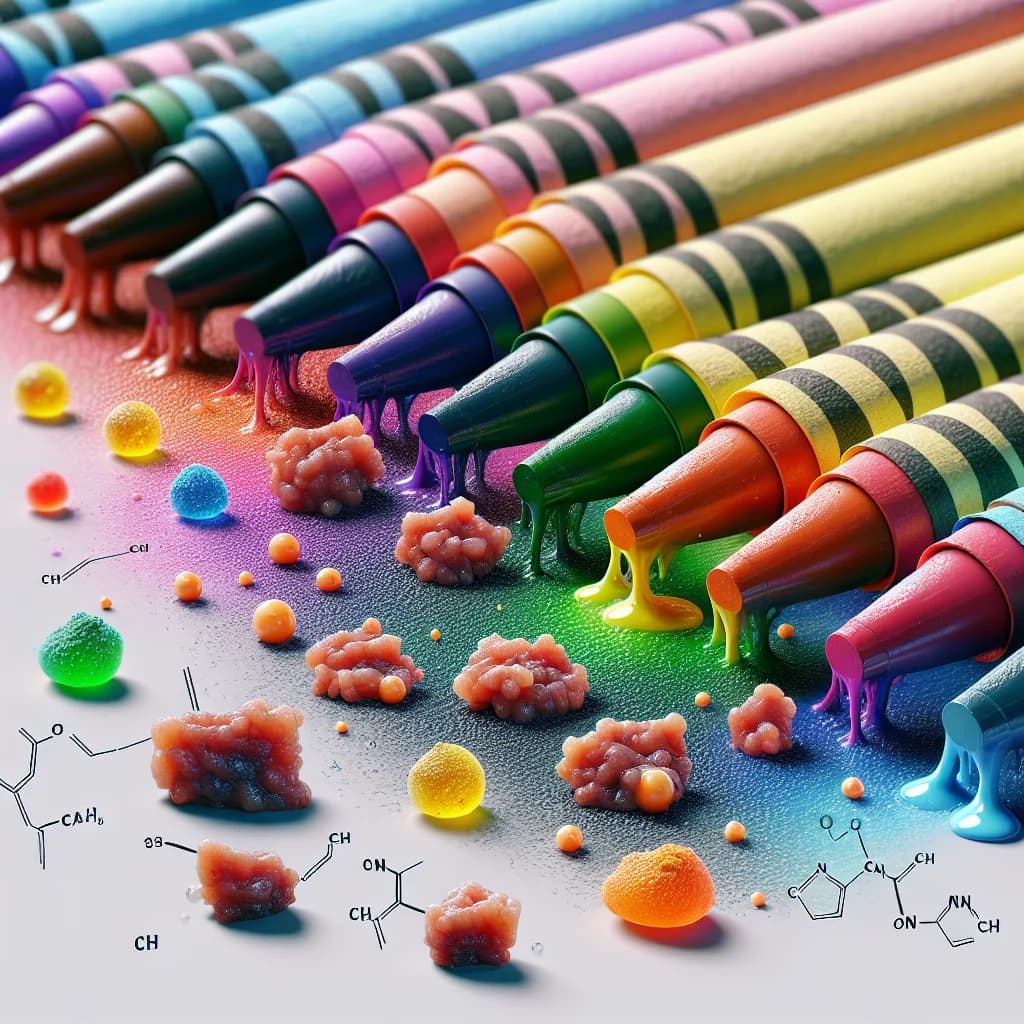
Crayons possess a unique smell because they contain stearic acid, an ingredient derived from processed beef fat known as tallow. This fatty acid helps bind the wax and gives the product its signature oily aroma that many associate with childhood.
The Science of Childhood Nostalgia: Why do common wax crayons possess a distinct signature scent because of the processed beef fat they contain?
For many, the simple act of opening a fresh box of 64 colors triggers an immediate wave of nostalgia. That unmistakable, slightly waxy, and pungent aroma is one of the most recognizable scents in the world. In fact, a famous study conducted by Yale University ranked the scent of crayons as the 18th most recognizable smell to American adults. But have you ever wondered what exactly creates that unique olfactory profile? While we might assume it is simply the smell of wax or pigment, the truth is more biological. The answer lies in a specific ingredient derived from the rendering industry: tallow, or processed beef fat. This post explores the chemistry and manufacturing reasons behind this iconic scent.
The Secret Ingredient: Stearic Acid and Tallow
The primary reason wax crayons have such a specific smell is the inclusion of stearic acid. While this sounds like a complex laboratory chemical, it is a fatty acid that is most commonly derived from beef tallow (rendered beef fat).
In the manufacturing process, tallow is processed to extract stearic acid, which acts as a hardening agent. When you combine this animal-derived acid with paraffin wax and various color pigments, the result is the classic crayon. The "scent" that we associate with coloring is essentially the smell of these processed animal fats reacting with the wax base.
Why Do Manufacturers Use Processed Beef Fat?
You might wonder why a drawing tool requires animal products at all. The use of tallow-based stearic acid is not an accidental choice; it serves several vital functions in the creation of a high-quality crayon:
- Texture and Glide: Stearic acid gives the crayon its "laydown" quality. It allows the wax to glide smoothly across the paper without crumbling or sticking excessively.
- Structural Integrity: Without a hardening agent, paraffin wax would be too brittle or too soft. The beef-fat derivative ensures the crayon is strong enough to withstand the pressure of a child’s grip.
- Pigment Binding: It helps the color pigments mix evenly with the wax, ensuring that the "Electric Lime" or "Cerulean" you see on the wrapper matches what appears on the page.
The Olfactory Impact of Volatile Molecules
The reason the scent is so distinct is due to the volatile molecules released by the stearic acid. Even after the beef fat is processed and refined, it retains a specific chemical signature. When crayons are stored in a box, these molecules concentrate, leading to that powerful "punch" of aroma when the lid is first opened.
According to researchers in the field of sensory science, our brains are particularly adept at identifying these fat-based scents because they are distinct from the synthetic or floral smells we encounter in other household products. This biological origin is what gives the crayon its heavy, slightly oily, and earthy "perfume."
Are There Alternatives?
As consumer preferences shift toward vegan or plant-based products, some manufacturers have begun to explore alternatives to tallow-based stearic acid. These alternatives include:
- Soy-Based Waxes: Some brands use soybean oil as a base, which results in a much milder, bean-like scent.
- Vegetable Stearic Acid: It is possible to derive stearic acid from palm or coconut oil. While this eliminates animal products, the scent profile changes, often lacking that "classic" crayon smell.
- Synthetic Binders: Higher-end artist pastels often use synthetic binders that are odorless, though these are significantly more expensive to produce than traditional wax crayons.
Despite these alternatives, the major players in the crayon industry largely stick to the traditional formula because of its cost-effectiveness and the unique physical properties provided by tallow-derived ingredients.
Conclusion
The mystery of why common wax crayons possess a distinct signature scent because of the processed beef fat they contain highlights the fascinating intersection of chemistry and nostalgia. That familiar aroma is the direct result of stearic acid, a byproduct of the beef industry used to ensure crayons are durable and easy to use. While it might be surprising to learn that a staple of the classroom has such a strong connection to animal fats, it is this specific chemical makeup that has defined the sensory experience of childhood for generations. Next time you pick up a crayon, you will know that its scent isn't just a byproduct of wax, but a complex result of industrial chemistry that has remained virtually unchanged for decades.


