
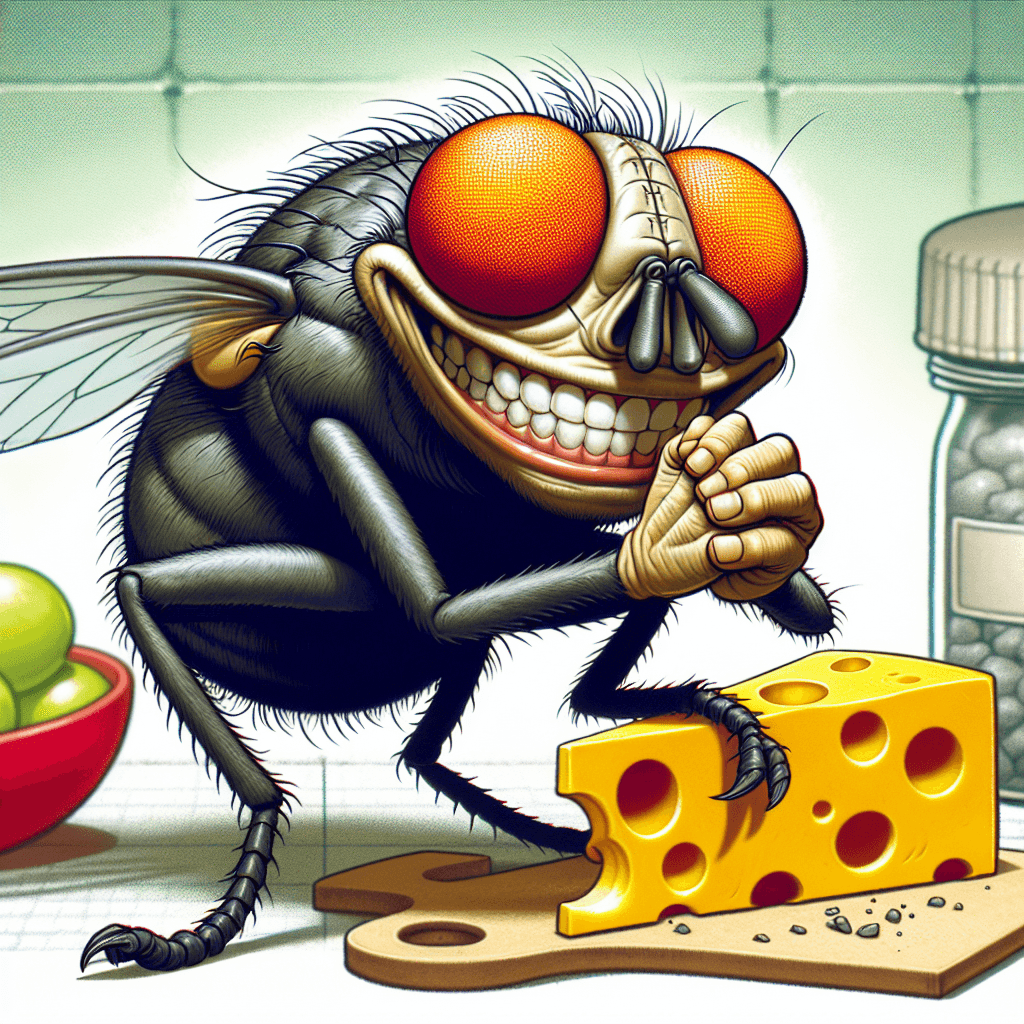
Why do flies rub their hands together like they are plotting something evil
That sinister-looking hand-rub isn't a sign of a villainous plot, but the truth is a bizarre—and slightly disgusting—secret to their survival.

Too Long; Didn't Read
TLDR: Flies are not plotting, they are cleaning. They rub their legs together to scrub the sensors on their feet which they use to taste food, find mates, and navigate.
Plotting or Preening? Why Do Flies Rub Their Hands Together Like They Are Plotting Something Evil?
It’s a scene straight out of a classic cartoon: the villain, shrouded in shadow, steeples their fingers and rubs their hands together with a low, menacing chuckle. It’s a universal sign for scheming. So, when we see a common housefly land on our countertop and perform the exact same gesture, it’s hard not to anthropomorphize. Is it plotting to ruin our picnic? Contemplating a hostile takeover of the fruit bowl? The truth, while less diabolical, is far more fascinating. This seemingly sinister behavior is not a sign of evil intent but a critical and sophisticated act of self-preservation. This post will uncover the real science behind why flies rub their legs together, transforming a villainous tic into a marvel of insect biology.
It’s All About Cleanliness: A Meticulous Grooming Routine
The primary reason behind this familiar motion is simple: hygiene. For a fly, being clean isn't about looking good; it's about survival. A fly's entire body, especially its legs and feet (called tarsi), is covered in thousands of tiny sensory hairs. This intricate system of bristles and hairs acts as its primary way of interacting with the world.
When a fly rubs its legs together, it is meticulously cleaning these vital sensors. Think of it as a deep-cleaning ritual. Throughout their day, flies land on a variety of surfaces—from sugary spills and rotting organic matter to sterile windowpanes. In the process, their legs pick up dust, pollen, food particles, and all sorts of microscopic debris. If this gunk builds up, it can clog their sensors, effectively blinding them to the world. This grooming action is a fly's way of wiping its palate and clearing its "nose" to ensure it can properly function.
The Science of Sensation: Tasting with Their Feet
Unlike humans, flies don't just rely on antennae or a mouth to sense their environment. Their feet are covered in specialized sensory organs called chemoreceptors. These receptors allow a fly to "taste" and "smell" simply by walking on a surface. This incredible ability helps them instantly determine if something is a potential food source, a suitable place to lay eggs, or a dangerous substance to avoid.
For this system to work, the chemoreceptors must be pristine. A dirty sensor is an unreliable one. By rubbing its legs together, the fly uses the bristles on one leg to comb through and clear debris from the bristles on the other. This ensures their sensory input is sharp and accurate, allowing them to make split-second decisions crucial for finding their next meal or avoiding a predator.
More Than Just "Hands": A Full-Body Job
While the front-leg rubbing is the most noticeable part of their grooming, it’s just one step in a comprehensive, full-body process. If you watch closely, you'll see a fly perform a complex acrobatic routine:
- They use their front legs to clean their head, eyes, and antennae.
- Their back legs are used to clean their wings, ensuring they remain aerodynamic.
- They may even use their middle and back legs to groom their abdomen.
The "hand-rubbing" motion is often just the fly cleaning its cleaning tools—the front legs—before or after they've been used to scrub another part of the body. It’s a systematic routine designed to keep every critical part of its body in peak condition.
Ready for Takeoff: A Pre-Flight Check
Finally, this grooming ritual also serves as a pre-flight check. Clean legs and wings are essential for efficient and agile flight. Any speck of dirt or sticky residue could weigh them down or throw off their balance, making them vulnerable. By ensuring its body is free of debris, the fly is always ready for a quick takeoff, whether it’s to escape a swatting hand or to chase after a potential mate. This constant readiness is a key survival strategy for an animal that is both predator and prey.
In conclusion, the next time you see a fly rubbing its legs together, you can set aside any notions of villainous plotting. What you are witnessing is not a sign of evil genius but a sophisticated and essential act of personal hygiene. This behavior is fundamental to a fly’s ability to taste, smell, and navigate its world, keeping its sensitive equipment in perfect working order. It’s a reminder that even in the most common creatures, there are complex biological processes at play, turning a seemingly simple gesture into a masterclass in survival.


