
Why do humans have a small, often overlooked hole in the inner corner of each lower eyelid
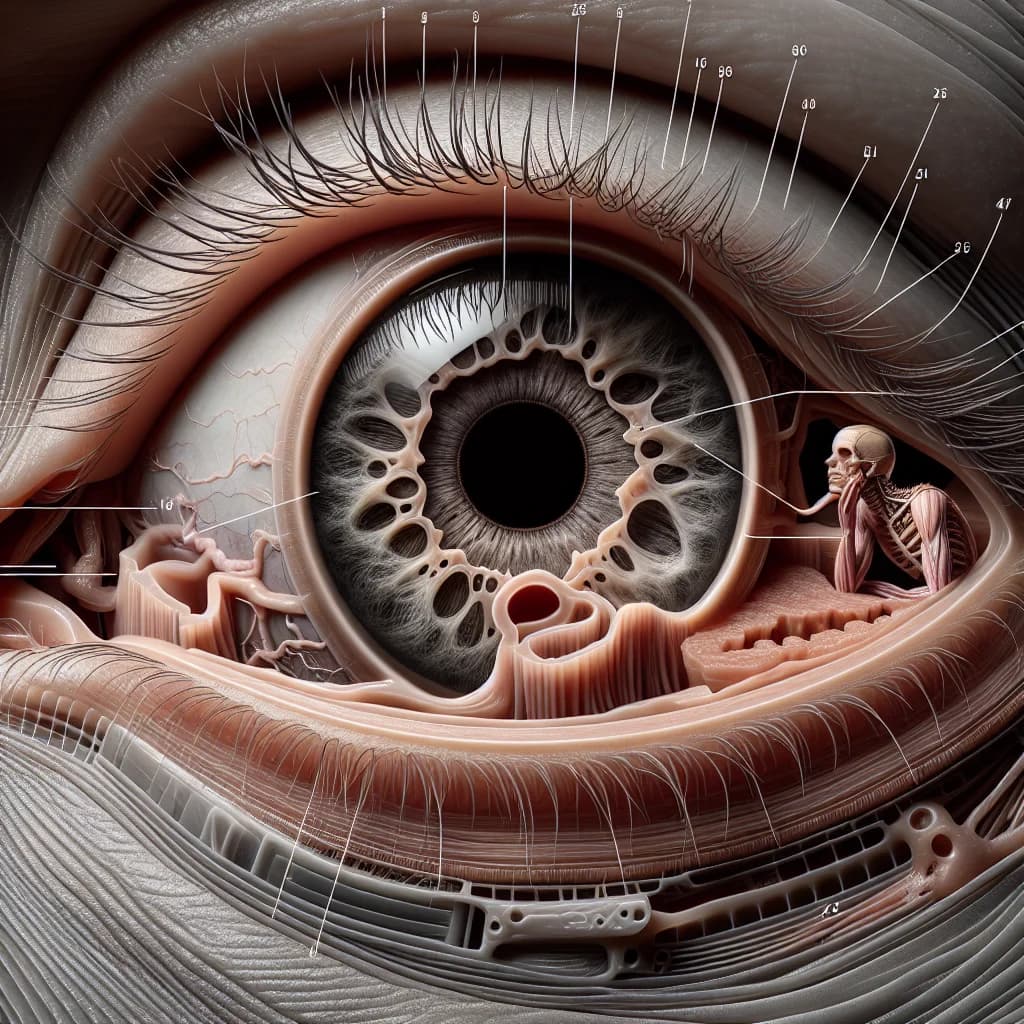
You’ve likely noticed that tiny, mysterious hole in the corner of your eye, but it isn’t there to produce tears—it’s actually the opening to a hidden drainage system. Discover the fascinating reason why this anatomical quirk exists and how it’s secretly responsible for your runny nose whenever you cry.

Too Long; Didn't Read
The small hole in the inner corner of your eyelid is called the lacrimal punctum. Its primary function is to drain excess tears from the surface of your eye into your nose, which explains why your nose often runs when you cry.
The Eye’s Secret Drainage System: Why Do Humans Have a Small, Often Overlooked Hole in the Inner Corner of Each Lower Eyelid?
Have you ever caught a glimpse of your reflection in a high-magnification mirror and noticed a tiny, pin-sized opening on the inner edge of your lower eyelid? To the untrained eye, it might look like a stray pore or even a minor injury, but this microscopic feature is a universal part of human anatomy. Known scientifically as the lacrimal punctum, this small, often overlooked hole is a critical component of our ocular health. While we often focus on how our eyes see the world, we rarely consider the complex plumbing system required to keep them functional. This blog post explores the biological purpose of the lacrimal punctum, explaining why it exists and how it prevents our eyes from being constantly flooded with tears.
Understanding the Lacrimal Punctum
The word "punctum" comes from the Latin word for "point" or "small hole." Humans actually have four of them—one on each upper and lower eyelid, located near the nose. However, the lower puncta are typically more visible and larger than the upper ones.
The lacrimal punctum serves as the entrance to the lacrimal apparatus, the body's sophisticated drainage system for the eyes. Contrary to a common misconception, these holes do not produce tears; instead, they function like a sink drain. According to the American Academy of Ophthalmology, the punctum is the exterior opening of a tube called the canaliculus, which leads toward the lacrimal sac and eventually down into the nose.
The Mechanics of Tear Drainage
To understand why we have these holes, we must understand the lifecycle of a tear. Our eyes are constantly bathed in a thin film of fluid produced by the lacrimal glands, located under the outer part of the upper eyelids. This fluid is essential for lubrication, nutrition, and protecting the cornea from infection.
The drainage process follows a specific biological sequence:
- Production: The lacrimal gland secretes tears across the surface of the eye.
- Distribution: Every time you blink, your eyelid spreads this fluid evenly across the ocular surface.
- Collection: The fluid naturally migrates toward the inner corner of the eye (the medial canthus).
- Drainage: The tears enter the lacrimal punctum. Through a combination of capillary action and the pumping motion of blinking, the fluid is sucked into the puncta.
- Exit: From the puncta, tears travel through the nasolacrimal duct and empty into the nasal cavity.
This explains the well-known phenomenon of having a runny nose while crying. When the eyes produce an excess of emotional tears, the drainage system is overwhelmed; while some tears spill over the cheeks, a significant portion is funneled through the puncta into the nose.
Why This Feature is Essential for Vision
Without the lacrimal punctum, humans would face significant physiological challenges. The primary benefit of this "overlooked hole" is the prevention of epiphora, or chronic overflowing of tears. If our eyes had no drainage system, the tear film would become too thick, blurring our vision and causing constant skin irritation on the face.
Furthermore, the puncta allow the eye to clear out debris and metabolic waste. Just as a river stays fresh by flowing, the eye remains healthy by constantly cycling old fluid out and bringing new fluid in. Research in ocular physiology suggests that a properly functioning drainage system is vital for maintaining the precise salt and protein balance required for a healthy corneal surface.
Medical Significance and Common Issues
Because the lacrimal punctum is so small, it can occasionally encounter medical issues that highlight its importance:
- Punctal Stenosis: This occurs when the hole becomes narrowed or blocked due to inflammation, aging, or infection, leading to excessively watery eyes.
- Punctal Plugs: Conversely, individuals suffering from chronic "Dry Eye Syndrome" may undergo a procedure where a doctor inserts tiny silicone plugs into the puncta. This intentionally blocks the drainage to keep the eyes lubricated for longer periods.
- Dacryocystitis: If bacteria enter the punctum and travel to the lacrimal sac, it can cause a painful infection that requires antibiotics.
Conclusion
The small, often overlooked hole in the inner corner of each lower eyelid is far more than a biological curiosity; it is a masterpiece of evolutionary engineering. The lacrimal punctum ensures that our eyes remain perfectly lubricated without becoming waterlogged, maintaining the clarity of our vision and the health of our ocular tissues. By acting as the "drain" for our tears, it connects the eyes to the nasal system in a way that is both functional and fascinating. Next time you notice this tiny feature in the mirror, you can appreciate it as a vital gateway in the complex system that allows you to see the world clearly. Understanding these minute details of human anatomy reminds us that even the smallest structures play a giant role in our daily well-being.


