Why do Major League Baseball umpires rub a specific mud from a secret New Jersey location onto every ball
Before a single pitch is thrown, every MLB baseball must be hand-rubbed with a mysterious muck sourced from a secret New Jersey riverbank. Discover the strange history behind the "magic mud" that the league’s multi-million dollar arms simply can’t play without.

Too Long; Didn't Read
MLB umpires apply a unique mud sourced from a secret New Jersey tributary to every new baseball to remove its factory slickness. This process gives pitchers a better grip and more control, preventing dangerous slips and ensuring consistent play without damaging the ball's surface.
The Dirty Secret of the Diamond: Why Do Major League Baseball Umpires Rub a Specific Mud From a Secret New Jersey Location Onto Every Ball?
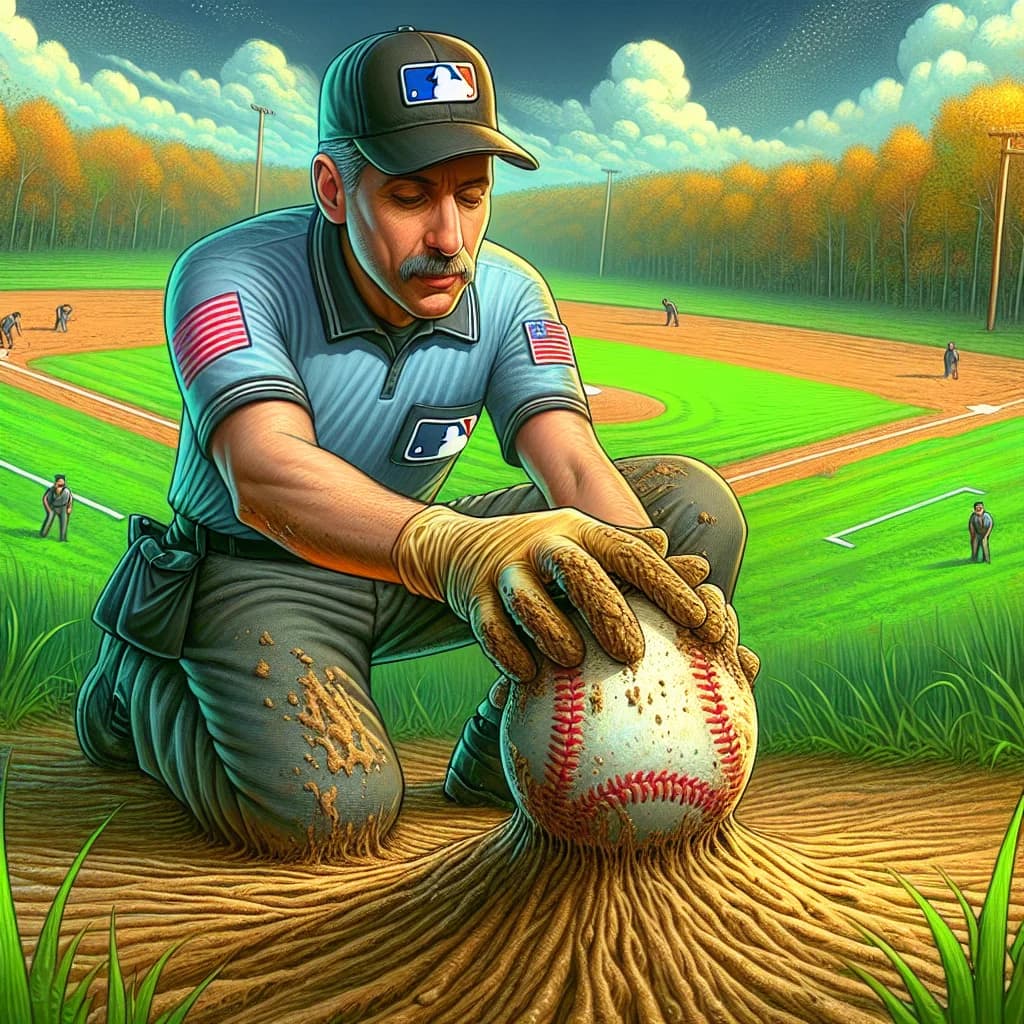
Every time an MLB pitcher steps onto the mound, they are holding a piece of equipment that has undergone a strange, century-old ritual. While Major League Baseball is a multi-billion-dollar industry driven by cutting-edge analytics and high-tech materials, it still relies on a bucket of muck from a secret swamp in New Jersey to function. If you have ever noticed an umpire or clubhouse attendant meticulously scrubbing a brand-new baseball before a game, you are witnessing one of the sport's most enduring traditions. But this isn't just about superstition; it is a matter of safety and performance. This post explores the fascinating history and technical necessity behind why Major League Baseball umpires rub a specific mud from a secret New Jersey location onto every ball.
The Danger of the "Pearl": Why New Balls Need Mud
When a baseball comes fresh out of the manufacturer's box, players refer to it as a "pearl." It is snowy white, pristine, and incredibly slick. This gloss is a byproduct of the manufacturing process, but it poses a significant hazard on the field.
A slippery ball is a dangerous ball. If a pitcher cannot get a firm grip, they lose control of their 100-mph fastball, leading to an increased risk of hitting batters. Historically, before the mid-1930s, players tried to solve this by using whatever was on hand: tobacco juice, shoe polish, or even rough dirt from the field. However, these substances often discolored the ball too much or scratched the delicate cowhide, making the ball illegal or unpredictable in flight.
The Legend of Lena Blackburne
The solution to this "slippery ball" problem arrived in 1938 via Russell "Lena" Blackburne, a coach for the Philadelphia Athletics. Blackburne discovered a particular type of mud in a tributary of the Delaware River in southern New Jersey that was remarkably different from standard dirt.
According to historical accounts from the National Baseball Hall of Fame, Blackburne found that this mud had a unique, "pudding-like" consistency. It was fine enough to remove the shine and provide a "tacky" grip without:
- Changing the color of the ball significantly.
- Scuffing or damaging the leather.
- Adding noticeable weight to the ball.
By the 1950s, the "Lena Blackburne Baseball Rubbing Mud" became the standard for the entire American League, eventually being adopted by the National League as well.
The Secret Source and the Bintliff Family
To this day, the exact location of the mud remains a closely guarded secret. The business is currently run by the Bintliff family, who harvest the mud once a year from a specific spot in a New Jersey marsh.
The mud is processed to remove debris and aged for several weeks to ensure its consistency remains uniform. While many have tried to replicate the formula or find the exact hole in the swamp, the Bintliffs have maintained their monopoly for decades. Every MLB team—and many minor league and collegiate teams—must purchase this specific Jersey muck to keep their games running smoothly.
The Umpire’s Ritual: Preparing the Game Balls
The application of the mud is not a random act; it is mandated by the official MLB rulebook. Specifically, Rule 4.01(c) requires that all balls be properly "rubbed" before they are put into play.
The process typically involves the following steps:
- Quantity: Approximately 144 balls (12 dozen) are prepared before every single game.
- Application: An umpire or a designated clubhouse attendant applies a small amount of water or spit to a dab of mud and rubs it vigorously into the leather.
- Consistency: The goal is to achieve a uniform "off-white" or light grey tint that provides a slight friction or tackiness to the touch.
This ritual takes about 30 to 45 minutes per game. Despite modern experiments with pre-tackified balls created in labs, the "Jersey Mud" remains the only substance permitted to be applied to the ball's surface.
Conclusion
The use of Lena Blackburne Baseball Rubbing Mud is a rare example of a low-tech solution thriving in a high-tech world. While the "Secret New Jersey Location" sounds like the stuff of urban legend, it is a functional necessity that ensures the safety of the hitters and the precision of the pitchers. By transforming a slick "pearl" into a grip-ready tool, this mud maintains the delicate balance between offense and defense on the diamond. As MLB continues to evolve, the secret swamp in Jersey serves as a reminder that sometimes, nature provides the best technology. For fans, it adds a layer of mystery to every pitch thrown, knowing that the "dirty" ball is exactly what makes the game fair and safe.