
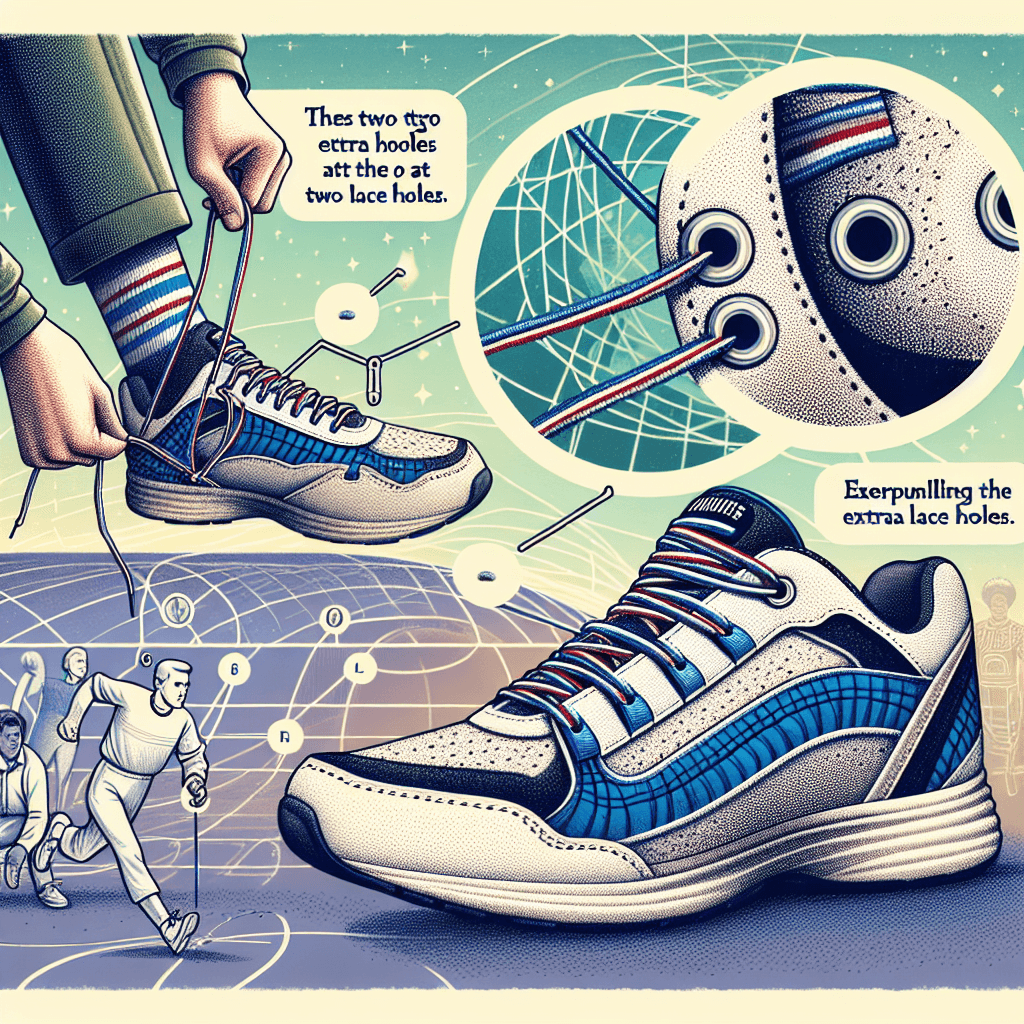
Why do many athletic sneakers have two extra lace holes at the very top that often go unused
Ever wondered why your sneakers have two extra lace holes that usually sit empty? Discover the "secret" function behind them that could be the key to saving your feet from painful blisters and a loose fit forever.

Too Long; Didn't Read
The extra lace holes are designed for a technique called the heel lock or runner’s loop. This lacing method creates a tighter fit around the ankle to prevent heel slippage and friction, which helps reduce the risk of blisters and improves overall stability during exercise.
The Secret to the Perfect Fit: Why Do Many Athletic Sneakers Have Two Extra Lace Holes at the Very Top That Often Go Unused?
Have you ever unboxed a fresh pair of running shoes and noticed a pair of seemingly redundant eyelets sitting slightly behind and above the rest? For many athletes and casual wearers alike, these extra holes remain a mystery, often dismissed as a manufacturing quirk or a design choice for aesthetic symmetry. However, these small apertures are far from decorative. In the world of sports science and podiatry, they serve a critical function in shoe biomechanics.
While most people lace their shoes to the second-to-last hole and call it a day, those final eyelets are specifically engineered to provide a customized, secure fit. This blog post explores the technical purpose of these holes, the specific lacing technique they facilitate, and why utilizing them can be a game-changer for your foot health and athletic performance.
The Engineering Behind the Extra Eyelets
The primary reason why many athletic sneakers have two extra lace holes at the very top that often go unused is to facilitate a lacing technique known as the "Heel Lock" or the "Runner’s Loop." This design feature is most common in performance running shoes, hiking boots, and cross-trainers.
The mechanical goal of the heel lock is to create extra tension around the ankle without tightening the entire shoe. When you use the standard lacing pattern, tightening the laces often puts excessive pressure on the top of the foot (the metatarsals), which can restrict blood flow or cause "lace bite." The extra eyelets allow you to secure the heel independently, ensuring the foot stays seated firmly in the heel cup.
How to Use the Runner’s Loop
Utilizing these holes requires a specific departure from the standard crisscross pattern. If you want to experience the benefits of the extra eyelets, follow these steps:
- Create the Loops: Instead of crossing the lace to the opposite side, thread the lace through the extra hole on the same side, moving from the outside in. This creates a small loop on both the left and right sides.
- Cross the Laces: Take the left lace and thread it through the loop on the right side. Then, take the right lace and thread it through the loop on the left side.
- Cinched Down: Pull the laces downward to tighten the loops around the crossed laces. This action pulls the heel of the shoe snugly against your Achilles.
- Tie Normally: Finish by tying a standard bow.
The Benefits of a Secure Heel Lock
By utilizing these extra holes, athletes can prevent several common foot-related issues. According to sports medicine experts, the benefits of the heel lock include:
- Prevention of Blisters: Blisters are primarily caused by friction. When the heel slips up and down within the shoe, it generates heat and irritation. The heel lock eliminates this vertical movement.
- Protection for Toenails: When a shoe is loose, the foot slides forward during downhill running or sudden stops. This causes the toes to jam into the front of the shoe, leading to "runner's toe" or subungual hematomas (bruised toenails).
- Enhanced Stability: For hikers and trail runners, a locked-in heel provides better lateral stability, reducing the risk of ankle rolls on uneven terrain.
- Improved Footwear Longevity: When your foot is properly secured, the interior lining of the shoe experiences less "rubbing," which prevents the fabric at the heel from wearing through prematurely.
Why Do These Holes Often Go Unused?
Despite their utility, these eyelets are frequently ignored. This is largely due to a lack of consumer education; manufacturers rarely include lacing instructions in the box. Additionally, many casual wearers find the extra lacing time unnecessary for low-impact activities like walking or standing. Some users also avoid them because they believe the extra lacing looks "clunky" or because the factory-standard laces are sometimes too short to comfortably reach the extra holes and still leave enough room for a knot.
Conclusion
Understanding why many athletic sneakers have two extra lace holes at the very top that often go unused is the first step toward optimizing your athletic gear. These eyelets are a simple yet effective piece of footwear technology designed to bridge the gap between a generic shoe and a personalized, high-performance fit. By employing the Runner’s Loop, you can effectively lock your heel in place, reducing the risk of blisters, toe injuries, and general instability.
The next time you lace up for a run or a long hike, don't ignore those lonely top eyelets. Taking the extra thirty seconds to utilize the heel lock can significantly improve your comfort and protect your feet from the repetitive stress of movement. Happy lacing!


