
Why do many old brick buildings feature bricked-up windows to avoid a historical tax on light and air
Think those bricked-up windows are just an architectural quirk? Discover the high-stakes history of the "tax on light" that turned sunshine into a taxable luxury and forced homeowners to choose between their wallets and the sun.

Too Long; Didn't Read
Many historical brick buildings have filled-in windows due to the 17th-century window tax in Britain and France. To lower their tax bills, property owners bricked up openings, sacrificing natural light and ventilation to avoid a levy based on the number of windows in a home.
Architectural Shadows: Why do many old brick buildings feature bricked-up windows to avoid a historical tax on light and air?
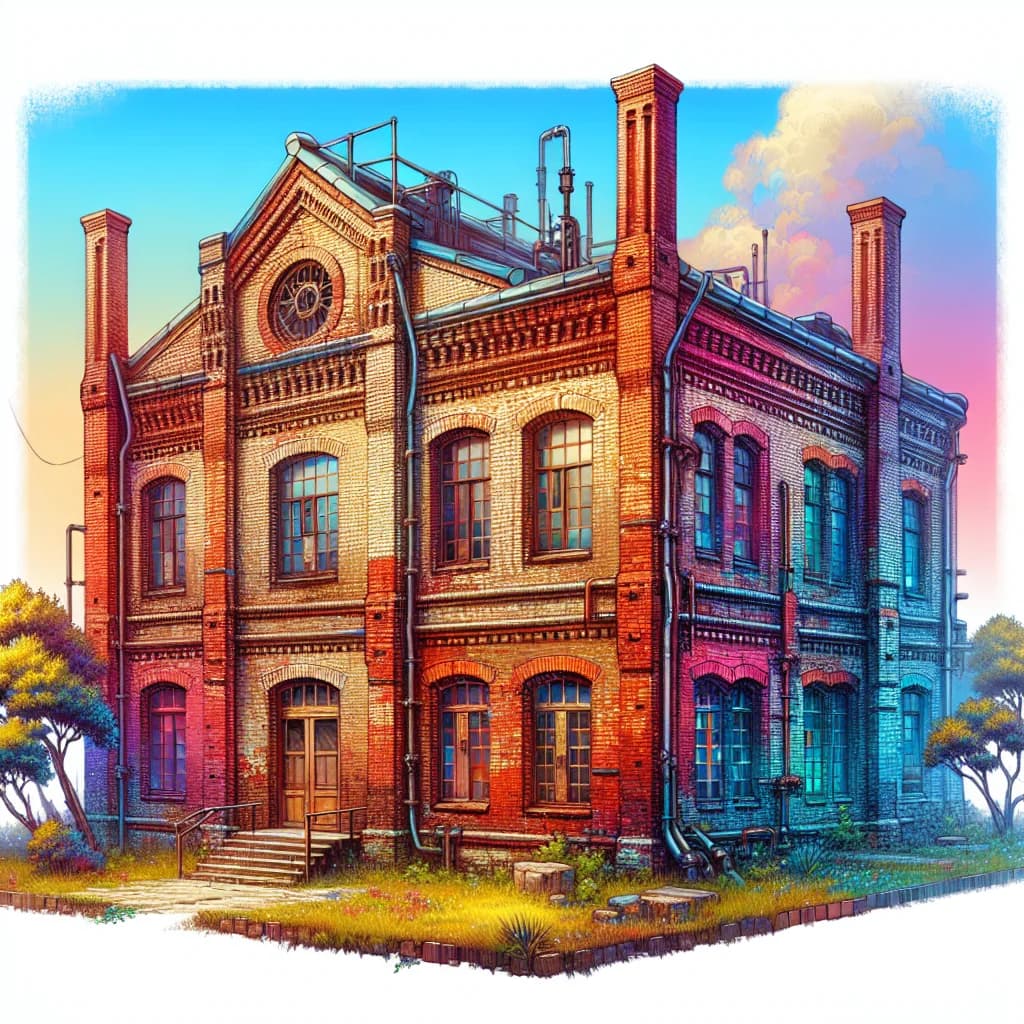
If you wander through the historic streets of London, Edinburgh, or even certain colonial-era cities, you might notice a peculiar sight: brick buildings with perfectly formed window arches that are completely filled in with masonry. While they might look like a modern renovation choice or a structural repair, these "blind windows" are actually the scars of a centuries-old fiscal policy. Why do many old brick buildings feature bricked-up windows to avoid a historical tax on light and air? The answer lies in the infamous Window Tax, a 17th-century legislative move that literally placed a price on daylight. This post explores the origins of this tax, its impact on urban architecture, and why these bricked-up relics continue to stand as a testament to tax avoidance today.
The Birth of the Window Tax
In 1696, under the reign of King William III, the English Parliament introduced the Window Tax. At the time, the concept of an income tax was deeply unpopular and seen as an intrusive violation of privacy. To fund military campaigns and stabilize the currency, the government needed a "progressive" way to tax the wealthy without actually looking into their private accounting books.
The logic was simple: the more windows a house had, the larger the house and, presumably, the wealthier the owner. It was viewed as a visible proxy for social status. Initially, the tax structure consisted of two distinct parts:
- A flat-rate house tax: A base fee of two shillings per house.
- A variable tax: An additional charge based on the number of windows for houses with more than ten openings.
As the government’s need for revenue grew, the thresholds for the tax were lowered, and the costs were increased, eventually affecting almost anyone living in a permanent brick or stone structure.
A Price on Daylight and Health
As the 18th and 19th centuries progressed, the tax rates increased significantly. To avoid these escalating costs, many property owners took a drastic measure: they bricked up existing windows. According to historical records from the UK National Archives, the tax was particularly burdensome because it was often applied to the occupants rather than the landlords. In urban areas, this hit the poor the hardest, as they lived in large tenement buildings that were taxed as a single unit based on the total number of windows.
The consequences were more than just aesthetic; they were a matter of public health. This "tax on light and air" led to:
- Poor Ventilation: Bricked-up windows resulted in stagnant air and dampness, which contributed to the rapid spread of diseases like typhus, smallpox, and cholera.
- Lack of Vitamin D: Darker living conditions led to an increase in cases of rickets among children living in crowded, windowless urban centers.
- The Term "Daylight Robbery": While etymologists debate its exact legal origins, popular history often attributes this phrase to the general public's feeling that the government was literally stealing the sun from its citizens.
Architectural Symmetry vs. Tax Evasion
Interestingly, not all bricked-up windows seen today were a result of tax evasion. During the Georgian era, architectural symmetry was highly prized. Architects often designed buildings with "blind windows"—spaces that looked like windows from the outside but were filled with brick from the start—to maintain a balanced facade even if the interior floor plan didn't allow for an actual opening.
However, historians distinguish these from tax-related modifications by examining the brickwork. If the bricks in the window space match the surrounding wall perfectly, it was likely an architectural choice. if the brickwork or mortar looks slightly different or "retrofitted," it was almost certainly a response to the tax collector.
The Repeal and Lasting Legacy
By the mid-19th century, the Window Tax faced immense opposition. Health reformers and the medical journal The Lancet campaigned heavily against it, arguing that light and air were basic human necessities. The tax was finally repealed in 1851.
Despite the repeal, many owners chose not to reinstate the glass. Re-opening a window was an expensive masonry task, and over time, the bricked-in look became a permanent part of the building's character. Today, these features are often protected by historical preservation societies as a physical reminder of past economic struggles.
Conclusion
The bricked-up windows of historical Europe serve as a fascinating intersection of architecture and economics. Why do many old brick buildings feature bricked-up windows to avoid a historical tax on light and air? Because for over 150 years, the very air people breathed and the light they used to see were taxable commodities. While the tax was repealed long ago, the physical evidence remains etched into our urban landscapes. These structures remind us how government policy can fundamentally alter the design of our environment, leaving behind silent, bricked-up legacies of a time when the sun came with a price tag. Next time you spot a blind window, you are looking at a centuries-old survival tactic in the face of "daylight robbery."


