
Why do many passenger airplanes feature a small yellow hook on the top of each wing
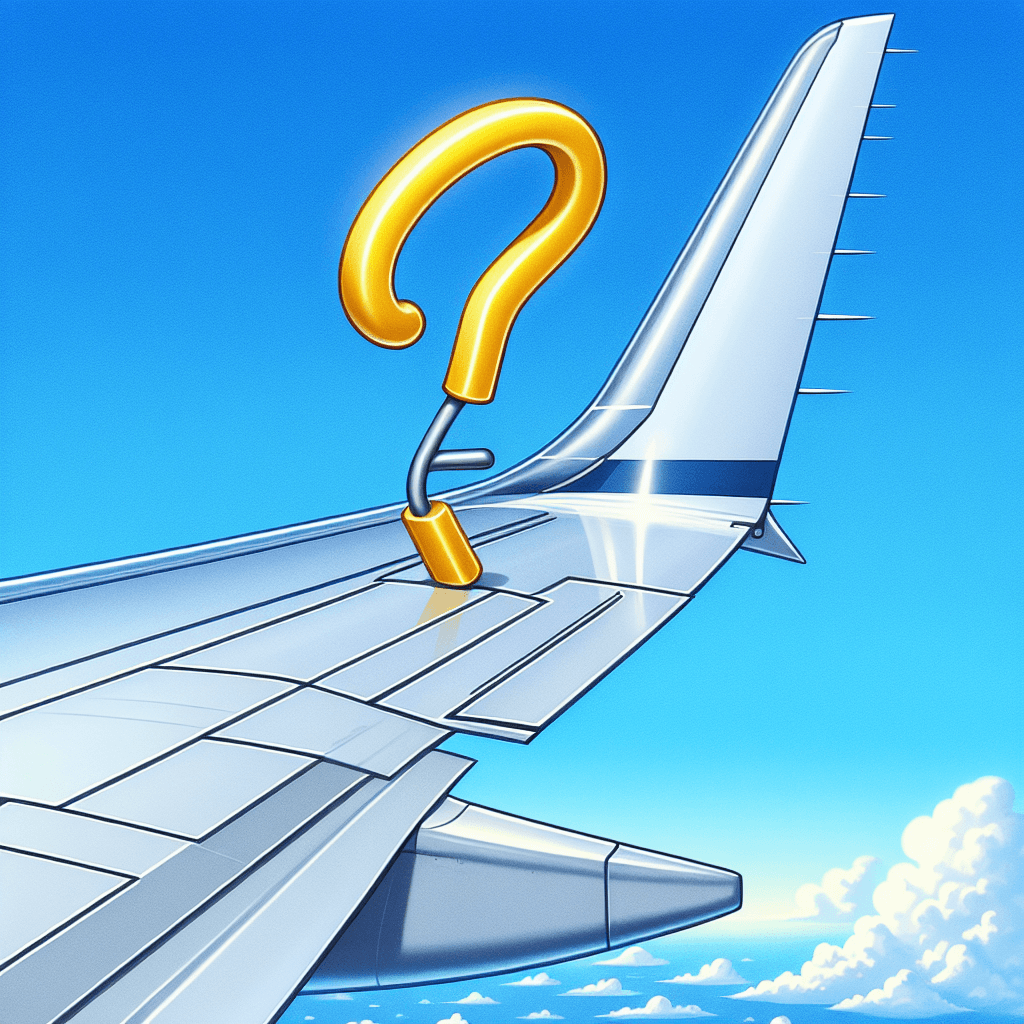
Next time you snag a window seat, look closely at the wing for a tiny yellow hook that could one day save your life. It isn’t for maintenance or aerodynamics—it’s a critical, life-saving secret hidden in plain sight that most passengers never notice until they need it.

Too Long; Didn't Read
The yellow hooks are safety anchor points used during emergency water landings. They allow flight crews to attach guide ropes from the exit door to the wing, helping passengers maintain their balance on the slippery surface and providing a secure place to tether life rafts.
Why Do Many Passenger Airplanes Feature a Small Yellow Hook on the Top of Each Wing?
If you have ever secured a window seat just behind the wing of a commercial jet, you may have spent your flight gazing out at the clouds or the intricate movement of the flaps. During your observations, you might have noticed a curious, small yellow protrusion—resembling a tiny hook or eyelet—bolted to the smooth surface of the wing. While it looks like a manufacturing oversight or perhaps a point for tiedown, this unassuming hardware serves a critical, life-saving purpose.
The question of why many passenger airplanes feature a small yellow hook on the top of each wing is one that points directly to the rigorous safety engineering of modern aviation. These hooks are not for aerodynamics or maintenance; they are a vital component of the aircraft's emergency evacuation system. This post explores the technical reasons behind these hooks, specifically their role in water landings and passenger safety.
The Secret Role of the Overwing Exit Hook
To understand why these hooks exist, one must first look at the emergency exits located directly over the wings. On many narrow-body aircraft, such as the Boeing 737 or the Airbus A320 family, passengers exiting through these doors find themselves stepping out onto the wing itself.
In the event of a "ditching"—an emergency landing on water—the surface of the wing becomes incredibly hazardous. Aircraft wings are designed to be smooth and aerodynamic, usually constructed from polished aluminum or composite materials. When these surfaces are covered in water or jet fuel, they become as slippery as ice. Without a point of stability, passengers and crew members attempting to evacuate could easily slide off the wing into the water, potentially being swept away or injured.
How the Escape System Functions
The small yellow hook acts as an anchor point for an emergency escape rope. In an emergency, flight attendants or trained passengers deploy a specialized safety line from the door frame of the overwing exit.
The process typically follows these steps:
- Accessing the Rope: A rope or strap is usually stored in a compartment near the top of the overwing exit frame.
- Attachment to the Fuselage: One end of the rope is securely fastened to the interior of the airplane's frame.
- Attachment to the Wing: The other end of the rope is pulled out and hooked onto the small yellow eyelet on the wing.
- Creating a Handrail: Once taut, this rope provides a steady handrail for passengers to hold onto as they move away from the fuselage toward the trailing edge of the wing.
According to safety protocols outlined by the Federal Aviation Administration (FAA), these lines are essential for helping passengers reach the inflatable life rafts that are often deployed from the wing’s edge during a water evacuation.
Why are They Painted Bright Yellow?
The choice of color is not accidental. In the chaotic environment of an emergency—where there may be smoke, heavy rain, or low-light conditions—visibility is paramount. The hooks are painted in "Aviation Yellow" to ensure they are immediately recognizable to passengers and cabin crew who may be under extreme stress.
Furthermore, the hooks are strategically placed to guide passengers along the safest path. Walking too close to the leading edge or the engine intake could be dangerous even in a ditched scenario; the hooks mark the intended path toward the evacuation slides or life rafts located at the rear of the wing.
Engineering for Every Scenario
It is a testament to aviation safety that such a simple piece of hardware is standardized across thousands of aircraft. While many modern wide-body planes use massive inflatable slides that deploy directly from the door to the water, narrow-body aircraft rely on the wing as a temporary staging area.
Because the wing is curved and slanted, the hook provides the necessary leverage to keep a line of people stable. Without this small yellow hook, the overwing exit would be significantly less effective in a water landing, highlighting the fact that in aerospace design, no detail is too small when it comes to passenger survival.
Conclusion
The presence of the small yellow hook on an airplane wing is a perfect example of how aviation engineers plan for the "worst-case scenario." While most passengers will go their entire lives without seeing these hooks in use, their presence is a silent guarantee of safety. They transform a slippery, dangerous surface into a controlled evacuation path, ensuring that if a plane ever has to land on water, every passenger has a stable grip on their way to safety. Next time you are staring out the window during a flight, you can look at that tiny yellow hook with a new appreciation for the hidden layers of protection that make air travel the safest way to see the world.


