
Why do many supermarket entrances have a strange metal grid you must walk across
It's not just for wiping your feet. That strange metal grid is a supermarket's secret weapon against a constant, expensive problem you've likely never considered.

Too Long; Didn't Read
TLDR: The metal grid is a security device to stop shopping cart theft. The cart wheels get stuck in the gaps, preventing them from being taken into the parking lot, while people, strollers, and wheelchairs can cross safely.
The Unsung Hero of Clean Floors: Why Do Many Supermarket Entrances Have a Strange Metal Grid You Must Walk Across?
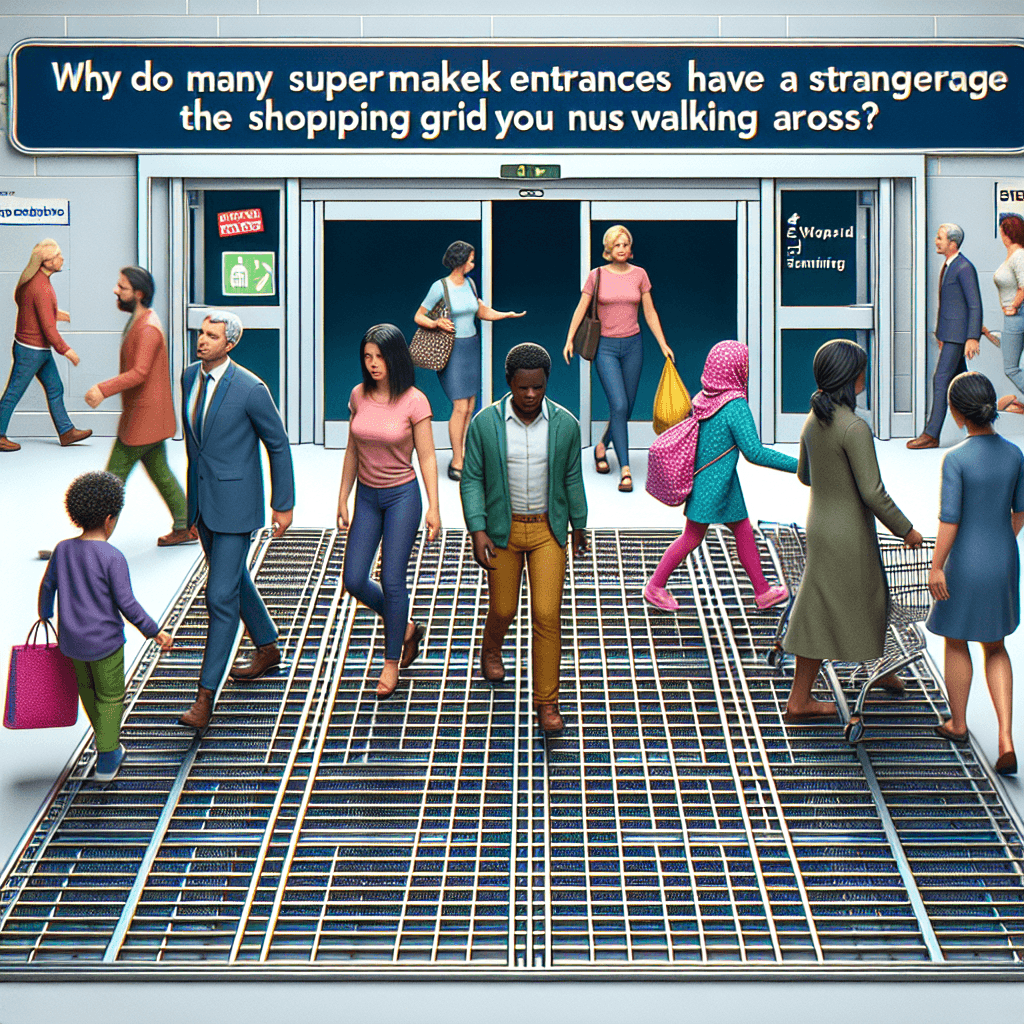
We’ve all experienced it. You push your shopping cart toward the supermarket entrance, and suddenly you’re met with a familiar clank-clank-clank. You and your cart rumble across a wide, strange metal grid embedded in the pavement just before the automatic doors. It feels a bit like a cattle grid, but surely it’s not there to wrangle unruly shoppers. Have you ever paused to wonder what this industrial-looking feature is actually for? This seemingly simple grid is a surprisingly clever piece of retail engineering, serving multiple crucial functions that save stores money and keep you safer. This post will demystify the purpose of that metal grid, revealing the sophisticated technology at work right beneath your feet.
The Main Reason: A High-Tech Security System for Shopping Carts
The primary and most significant reason for that metal grid is to prevent shopping cart theft. Carts may seem like simple metal baskets on wheels, but they are a major asset for retailers. A single new shopping cart can cost anywhere from $150 to over $250, and large supermarkets own hundreds, if not thousands. When these carts are taken off the property and abandoned, the cost of retrieval and replacement can add up to tens of thousands of dollars per year for a single store.
To combat this, many stores install an electronic cart containment system, and the grid is its most visible component. Here’s how it works:
- An Invisible Fence: A low-frequency signal wire is buried in a trench in the concrete around the store's perimeter, including across the entrance/exit. The metal grid you see is a heavy-duty, protective cover for this wire, shielding it from damage from vehicle traffic, shopping carts, and weather.
- The "Smart" Wheel: One of the wheels on the shopping cart, often a distinctive color like red or orange, is a special "smart wheel." This wheel contains a receiver and an automatic braking mechanism.
- The Lock-Down: When a shopper pushes the cart over the signal wire, the smart wheel receives the signal. This triggers the internal brake to lock the wheel, often by dropping a physical boot or locking the axle. This makes the cart extremely difficult, if not impossible, to push any further.
The bumpy grid also serves as a physical and audible deterrent, warning shoppers that they are approaching the boundary of the containment system.
More Than Just Security: The Added Perks of the Grid
While cart containment is its main job, the grid system offers a few brilliant secondary benefits that improve the store's operations and the customer experience. Think of it as the world’s most effective doormat.
A Champion of Cleanliness
The deep grooves and rugged surface of the metal grid are exceptionally good at scraping debris from both cart wheels and customers' shoes before they enter the store. It effectively removes:
- Mud and dirt
- Gravel and sand
- Snow and slush
- Leaves and other outdoor debris
This dramatically reduces the amount of dirt tracked into the supermarket, leading to cleaner, shinier floors. For the store, this means lower cleaning costs and a more hygienic, appealing environment for shoppers.
An Enhancement for Safety
The entrance to a busy store is a high-risk area for slip-and-fall accidents, especially during rain or snow. The grid plays a crucial safety role by trapping water, ice, and slush in its channels. This helps ensure that the floor area immediately inside the automatic doors remains drier and safer for everyone. By mitigating this risk, the store reduces its potential liability and helps prevent customer injuries.
Conclusion
So, the next time you roll your cart across that noisy metal grid, you’ll know it’s much more than just a peculiar design choice. It is the visible face of an ingenious anti-theft system that protects a store's valuable assets. At the same time, it serves as a powerful, passive cleaning and safety tool, keeping floors clean and preventing accidents before you even step inside. It’s a multi-tasking workhorse of retail design, silently saving money and enhancing safety with every shopper and cart that passes over it. That familiar rumble is the sound of a smart system hard at work.


