
Why do many traditional Southern homes feature a porch ceiling painted a specific shade known as haint blue
It may look like a clear summer sky, but this iconic shade of blue was originally designed to trick malevolent spirits. Dive into the haunting folklore and deep-rooted history behind the South's most mysterious porch tradition.

Too Long; Didn't Read
Haint blue porch ceilings are a Southern tradition rooted in Gullah Geechee culture intended to ward off restless spirits known as haints. The color is meant to mimic water or the sky to trick spirits into staying away, while also providing a calming aesthetic and historically helping to deter insects.
Beyond Aesthetics: Why do many traditional Southern homes feature a porch ceiling painted a specific shade known as haint blue?
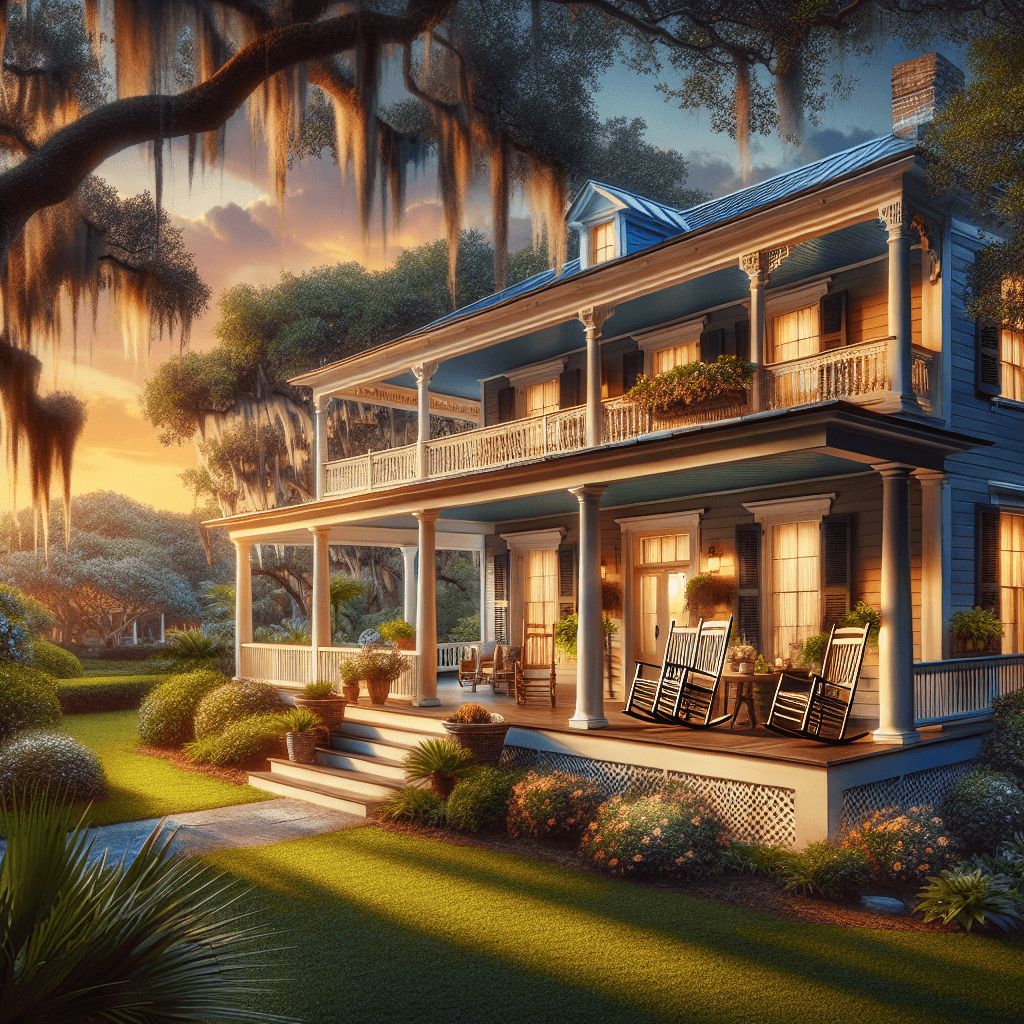
If you stroll through the historic districts of Charleston, Savannah, or New Orleans, you will likely notice a peculiar architectural consistency: the porch ceilings are almost always painted a soft, ethereal shade of blue-green. This isn’t merely a regional color preference or a coincidence of design. This specific hue, famously known as "haint blue," carries a weight of history that stretches back centuries. Why do many traditional Southern homes feature a porch ceiling painted a specific shade known as haint blue? The answer is a fascinating tapestry of West African folklore, early American superstition, and practical historical chemistry. Understanding this tradition offers a glimpse into the cultural evolution of the American South and the enduring power of local legends.
The Spiritual Origins: Warding Off the "Haints"
The primary reason behind this tradition is rooted in the folklore of the Gullah Geechee people—descendants of enslaved West Africans who lived in the Lowcountry regions of South Carolina and Georgia. In Gullah culture, a "haint" is a restless spirit or a "haunt" that has not yet transitioned to the afterlife.
According to Gullah tradition, these spirits are wary of water and cannot cross it. By painting porch ceilings, window frames, and doors a specific shade of watery blue, homeowners believed they could trick passing spirits into thinking the entryway was a body of water or the open sky. This visual "trap" supposedly prevented the haints from entering the home. This spiritual protection was seen as essential for maintaining a peaceful household, and as the Gullah culture influenced the broader Southern landscape, the practice was adopted by neighbors and eventually became a standard architectural feature.
The Practical Theory: Natural Insect Repellent
Beyond the supernatural, there is a long-standing practical theory regarding why haint blue became so prevalent. For generations, Southerners have claimed that a blue ceiling keeps wasps, spiders, and mud daubers from nesting on the porch. While modern observers might view this as a myth, there is historical evidence to suggest it was once rooted in fact.
- Lye and Lime Composition: In the 18th and 19th centuries, paint was often mixed by hand using natural pigments and lime. This "milk paint" frequently contained lye, a caustic chemical known to be a natural insect repellent.
- The Illusion of Sky: Some naturalists suggest that insects are deceived by the color, perceiving the ceiling as the open sky rather than a solid surface for nesting.
- Modern Transition: While today’s latex and oil-based paints do not contain the lye that once repelled pests, the belief in the color’s effectiveness persists, maintaining its popularity among homeowners who value tradition over chemical proof.
Extending the "Golden Hour"
Architectural historians also point to the psychological and aesthetic benefits of haint blue. The American South is known for its oppressive heat and humidity. A light blue porch ceiling serves an atmospheric purpose by mimicking the color of the sky at dusk or dawn.
This choice of color creates a visual extension of the daylight hours. Even as the sun begins to set, the blue ceiling reflects available light, making the porch feel brighter and more open. This creates a soothing, airy environment that encourages "porch sitting"—a quintessential Southern social pastime. By making the space feel cooler and more expansive, the color choice serves as a functional tool for coping with the regional climate.
The Legacy of Indigo
The specific shade of haint blue also has ties to the colonial economy. In the mid-1700s, indigo was a massive cash crop in South Carolina, second only to rice. Because indigo dye was so readily available in the region, it became the primary pigment used to create these blue paints. The abundance of the resource made it an affordable and accessible choice for homeowners, solidifying its place in the local aesthetic long after indigo production shifted elsewhere.
Conclusion
The enduring presence of haint blue is a testament to how culture, utility, and history converge in home design. Whether viewed as a spiritual shield against restless "haints," a historical method for pest control, or a clever architectural trick to brighten a humid evening, the tradition remains a cherished hallmark of Southern identity. Why do many traditional Southern homes feature a porch ceiling painted a specific shade known as haint blue? It is because the color represents a bridge between the past and the present, preserving a story of protection and community with every brushstroke. Today, choosing haint blue is less about warding off spirits and more about honoring a rich cultural heritage that continues to define the visual landscape of the South.


