
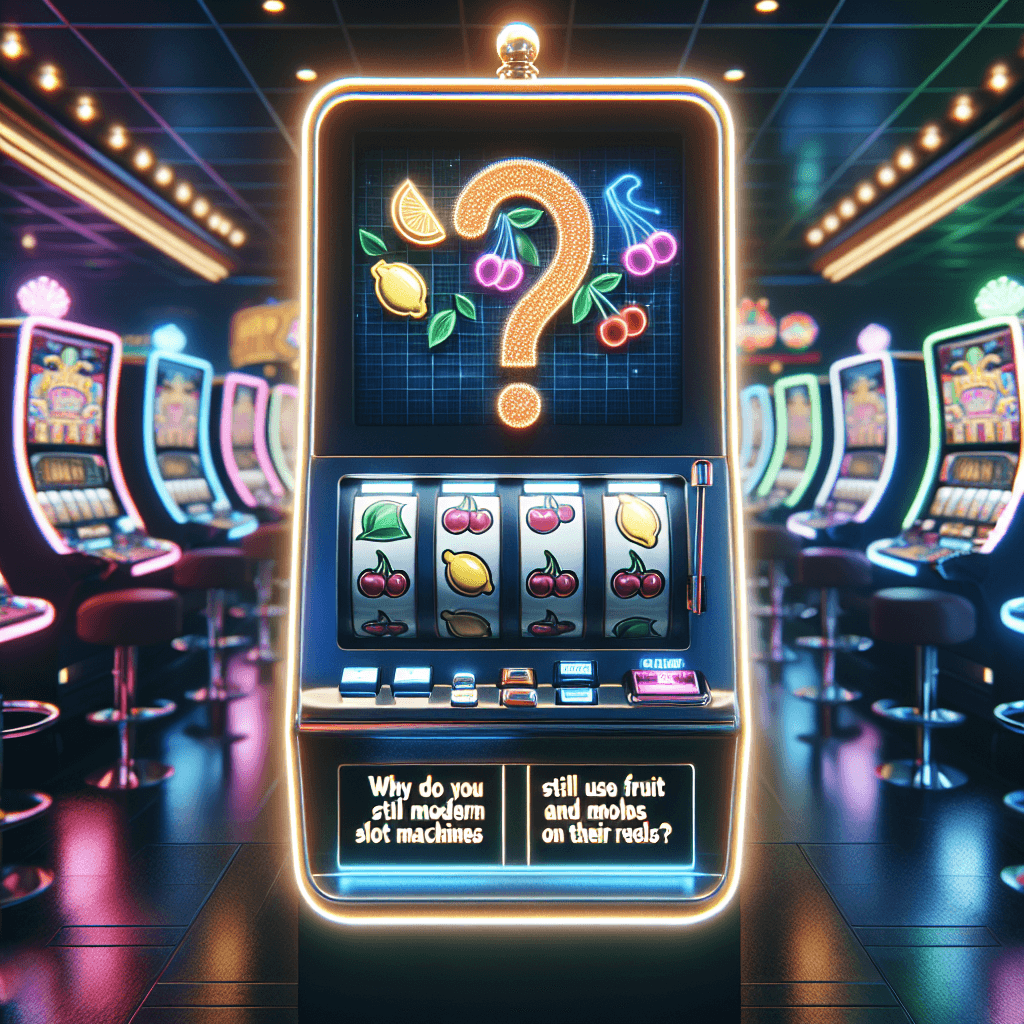
Why do modern slot machines still use fruit symbols like cherries and lemons on their reels
Ever wonder why high-tech digital slots are still obsessed with cherries and lemons? Discover the clever, century-old legal loophole that turned these gambling machines into "fruit machines" and why the tradition stuck.

Too Long; Didn't Read
Modern slot machines use fruit symbols as a nod to the early 20th century when cash gambling was banned. To bypass these laws, machines paid out fruit-flavored gum instead of money, with symbols like cherries and lemons representing the available flavors. This imagery persists today due to tradition, nostalgia, and instant player recognition.
From Gum to Jackpots: Why Do Modern Slot Machines Still Use Fruit Symbols Like Cherries and Lemons on Their Reels?
Have you ever wondered why, in an era of high-definition 3D graphics and immersive cinematic soundtracks, the most iconic images in gambling remain simple illustrations of cherries, lemons, and plums? Walk into any casino from Las Vegas to Macau, or open a digital gaming app, and you are guaranteed to see these vibrant fruits spinning across the screen. While they seem like a whimsical design choice, their presence is not accidental. The reason why modern slot machines still use fruit symbols like cherries and lemons on their reels is a fascinating story involving early 20th-century legal loopholes, a pivot to chewing gum, and the powerful pull of nostalgia. Understanding this history reveals how a clever workaround to anti-gambling laws became a permanent fixture of global pop culture.
The Legal Loophole: From Cash to Chewing Gum
The origin of fruit symbols dates back to the early 1900s. At the time, the first mechanical slot machines, such as Charles Fey’s "Liberty Bell," typically used symbols like horseshoes, diamonds, spades, and bells. However, as the popularity of these machines grew, so did the scrutiny of lawmakers. By 1902, many U.S. states had officially banned slot machines that paid out cash prizes.
To circumvent these strict anti-gambling laws, manufacturers had to get creative. They began branding their machines as "trade simulators" or vending machines. Instead of paying out coins, these machines rewarded winners with flavored chewing gum or candy. According to historical records from the Museum of Gaming History, the symbols on the reels were updated to represent the flavors of the gum being dispensed:
- Cherries: Represented cherry-flavored gum.
- Plums: Represented plum or grape flavors.
- Oranges: Indicated orange-flavored rewards.
- Lemons: Represented lemon-flavored treats.
Because the machines were technically dispensing a product for a set price rather than facilitating "illegal gambling," they were able to remain in bars, tobacconists, and bowling alleys across the country.
The Mystery of the "BAR" Symbol
If you look closely at a classic fruit machine, you will often see a rectangular "BAR" symbol alongside the fruit. This symbol actually shares the same origin story. The "BAR" symbol was originally the logo of the Bell-Gum Fruit Company, a subsidiary of the Industry Novelty Company. When a player lined up three BAR symbols, the machine would dispense a stick of their branded gum. Over time, the logo was simplified into the black-and-white rectangle we recognize today. Even as machines transitioned back to paying out cash in the mid-20th century, the BAR and the fruit remained, having become synonymous with the "slot machine" identity.
Why Modern Technology Embraces Tradition
One might assume that with the advent of digital video slots, these "primitive" symbols would have been replaced by more complex imagery. However, the gambling industry relies heavily on psychology and user experience. There are several reasons why developers continue to use fruit today:
1. Instant Recognition and Simplicity
In a crowded casino floor, fruit symbols provide immediate clarity. Players instinctively understand that cherries or lemons represent a "classic" game with straightforward mechanics. This reduces the "cognitive load" for the player, making the gaming experience more relaxing and intuitive.
2. The Power of Nostalgia
Psychological studies in consumer behavior suggest that nostalgia is a powerful motivator. For many players, the sight of cherries and lemons evokes a sense of tradition and "fair play" associated with the golden age of mechanical slots. This emotional connection helps maintain a loyal player base for "fruit machines" (a term still used in the UK to describe all slots).
3. Global Standardisation
The fruit theme has become a universal language. Because these symbols are not tied to a specific culture, language, or movie franchise, they have global appeal. A player in Japan and a player in the United Kingdom can both sit down at a "fruitie" and understand exactly how the game works without reading a manual.
Conclusion
The persistence of fruit symbols is a testament to the industry's ability to adapt and survive. What began as a desperate legal maneuver to disguise gambling machines as gum dispensers has evolved into a multi-billion dollar branding legacy. Why do modern slot machines still use fruit symbols like cherries and lemons on their reels? Because these icons represent the very DNA of the industry—merging historical resilience with the psychological comfort of the familiar.
Next time you see a digital cherry spin past on a high-tech screen, remember that you aren't just looking at a graphic; you are looking at a century-old symbol of ingenuity that once promised a simple stick of gum for a nickel. Whether you prefer modern themed slots or the classic fruit style, these symbols remain the undisputed kings of the casino floor.


