
Why do most running shoes feature two extra lace holes at the top that often go unused
Those mysterious extra eyelets at the top of your sneakers aren't just for show—they’re the secret weapon for a perfect fit. Discover the simple "heel lock" trick that can instantly end blister pain and change the way you run forever.

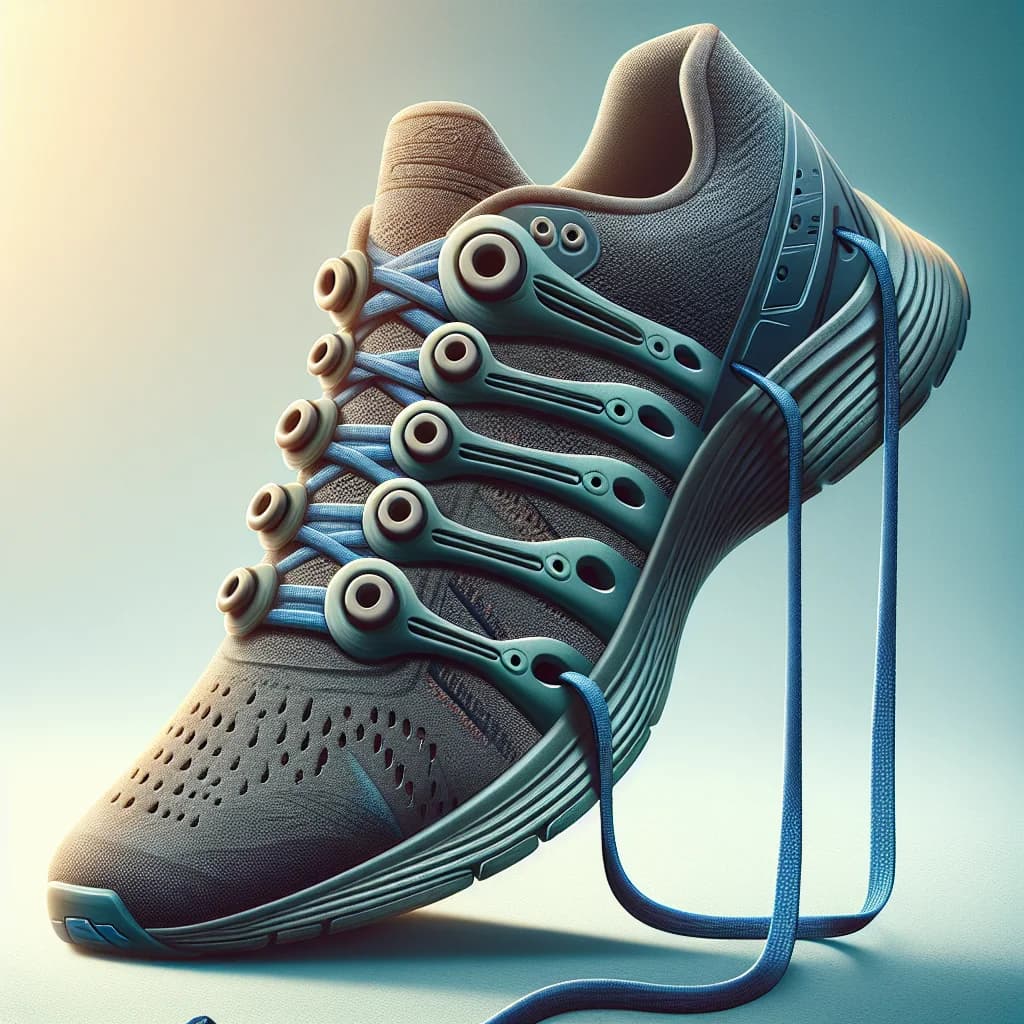
Too Long; Didn't Read
The two extra holes at the top of running shoes are designed for a lacing technique called the heel lock or runner’s loop. This method secures your foot firmly in the shoe to prevent heel slippage and stop your toes from sliding forward and hitting the front, which helps avoid blisters and bruised toenails.
Unlocking Performance: Why Do Most Running Shoes Feature Two Extra Lace Holes at the Top That Often Go Unused?
Have you ever finished a long run only to discover a painful blister on your heel or realized your toes feel bruised from sliding forward in your sneakers? If so, you might have overlooked a simple but effective engineering feature sitting right under your nose. Most runners treat the two spare eyelets at the very top of their shoes as decorative or accidental, lacing their shoes only to the penultimate hole. However, these extra openings are far from a design flaw. This post explores why do most running shoes feature two extra lace holes at the top that often go unused and how understanding their purpose can fundamentally change your running mechanics and comfort.
The Engineering Purpose: The "Heel Lock"
The primary reason these extra eyelets exist is to allow for a lacing technique known as the "heel lock" or "runner’s knot." While a standard lacing pattern provides general security across the bridge of the foot, it often fails to fully anchor the heel into the back of the shoe.
According to shoe design experts at major athletic brands, these holes are intentionally placed higher and further back toward the heel collar to create a pulley system. When utilized correctly, this system cinches the collar of the shoe around the ankle, creating a "lock" that prevents the foot from shifting vertically or horizontally within the shoe’s interior.
Preventing Common Running Injuries
The functional benefits of using these extra holes extend beyond mere comfort; they are a vital tool for injury prevention. By utilizing the heel lock technique, runners can mitigate several common issues:
- Blister Prevention: Blisters are primarily caused by friction. When the heel slips up and down against the fabric of the shoe, it generates heat and irritation. Securing the heel eliminates this movement.
- Preventing "Black Toenail": On declines or during sudden stops, the foot tends to slide forward. If the heel isn't locked, the toes repeatedly strike the front of the toe box. This trauma can lead to subungual hematoma, commonly known as "black toenail."
- Reduced Extensor Tendonitis: Many runners over-tighten their laces across the top of the foot to compensate for a loose heel. This puts excessive pressure on the extensor tendons. The extra holes allow for a secure fit at the ankle while keeping the laces over the midfoot comfortably loose.
How to Utilize the Extra Eyelets
To take advantage of these features, you must move away from the traditional Criss-Cross lacing method for the final step. Here is a step-by-step guide to the "Runner's Knot":
- Lace to the Second-to-Last Hole: Lace your shoes normally until you reach the penultimate eyelet.
- Create Loops: Instead of crossing over to the other side, take the left lace and thread it through the extra hole on the same side, going from the outside in. This creates a small loop. Repeat this on the right side.
- Cross and Thread: Take the left lace and thread it through the loop you created on the right side. Then, take the right lace and thread it through the loop on the left side.
- Cinch and Tie: Pull the laces downward to tighten the loops and lock your heel in place. Finally, tie your shoes in a standard bow.
Improving Stability and Fit
Not every foot is shaped the same, and the inclusion of extra eyelets acknowledges this anatomical diversity. Research in sports biomechanics suggests that runners with narrow heels or high arches often struggle with "heel lift" in standard-sized footwear. These extra holes provide a customizable solution, allowing a standard mass-produced shoe to mimic the fit of a bespoke athletic tool. By stabilizing the rearfoot, the shoe can better guide the foot through a natural gait cycle, potentially improving overall running efficiency and reducing the workload on the lower leg muscles.
Conclusion
Understanding why do most running shoes feature two extra lace holes at the top that often go unused reveals the thoughtful engineering hidden in everyday athletic gear. These eyelets are not vestigial design elements but are essential for creating a secure "heel lock" that prevents friction, blisters, and toe trauma. By incorporating the runner’s knot into your routine, you can achieve a more stable, customized fit that protects your feet over long distances. Next time you lace up for a workout, don't ignore those top two holes—they might just be the key to your most comfortable run yet.


