
Why do old castle stairs often have steps of deliberately uneven heights
It wasn't clumsy craftsmanship that made those steps so treacherous; it was a brilliant and brutal defense mechanism designed to make an attacker stumble in the dark.

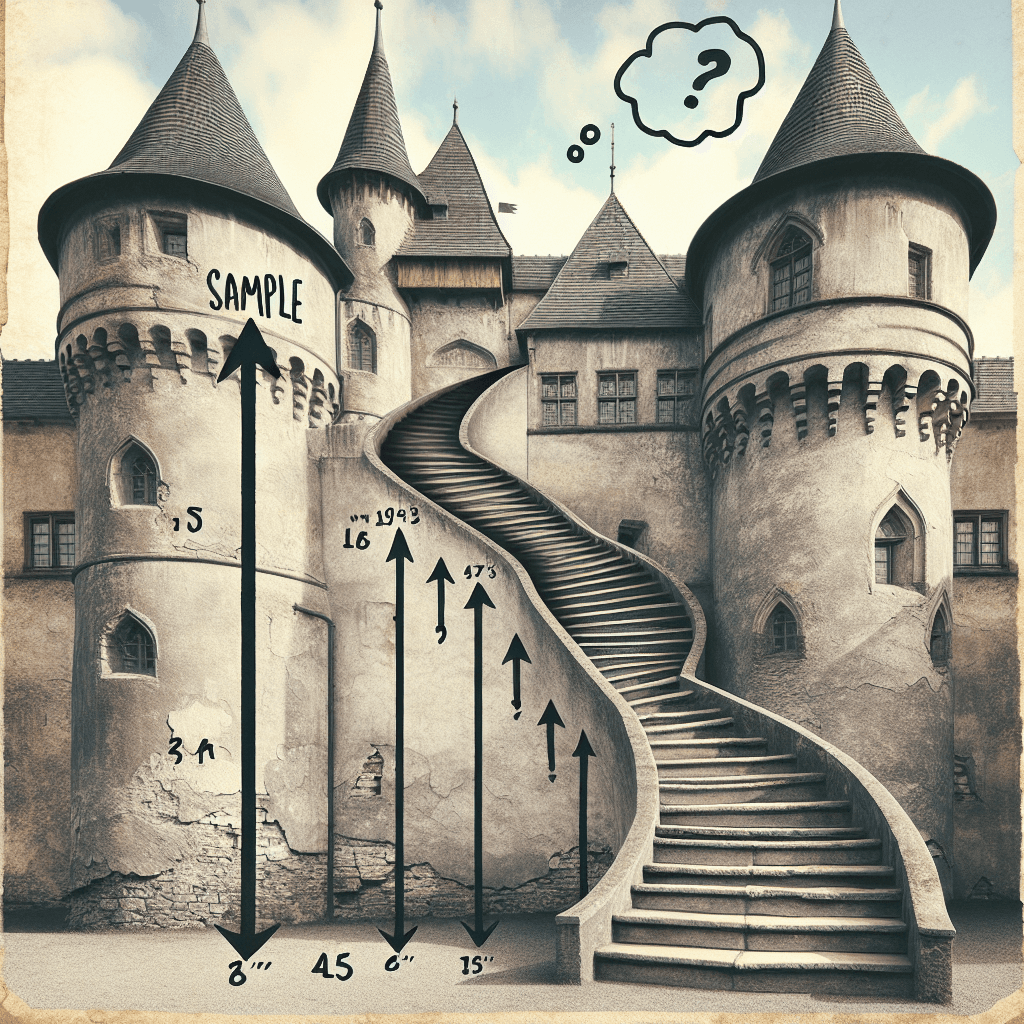
Too Long; Didn't Read
TLDR: Uneven castle stairs were a defensive feature designed to make attackers trip and lose their footing, giving an advantage to the defenders who were used to them.
Blog Post Title: The Stumble Step: Why Do Old Castle Stairs Have Deliberately Uneven Heights?
Have you ever climbed a narrow, winding staircase in an old castle and found yourself stumbling, feeling as though the steps were playing tricks on your feet? You weren’t just being clumsy. This common feature of medieval castles—steps with inconsistent heights and depths—is often a relic of ingenious and brutal defensive architecture. While not every uneven step was intentional, many were crafted as a subtle but effective security measure designed to protect the castle's inhabitants from attack.
This blog post will delve into the primary reasons why old castle stairs often have deliberately uneven heights. We will explore the "trip step" as a defensive strategy, its powerful combination with the clockwise spiral design, and consider other contributing factors like the challenges of medieval construction.
The "Trip Step": A Deliberate Defensive Feature
The most widely accepted reason for intentionally uneven stairs is defense. These were often called "trip steps" or "stumble steps," and their purpose was simple: to break the rhythm of an ascending attacker.
Imagine an enemy soldier storming a tower in the dark, weighed down by armor and adrenaline. Attackers rely on momentum and muscle memory to quickly ascend a staircase, expecting each step to be the same as the last. A single, unexpectedly high or shallow step would be enough to cause them to trip, stumble, or hesitate. In the life-or-death confines of a narrow stairwell, that split-second disruption provided a crucial advantage to the defender at the top, who could strike while their opponent was off-balance. This psychological and physical disruption could turn the tide of a close-quarters battle.
A Perfect Pairing: The Clockwise Spiral Staircase
This defensive design was made even more effective when combined with another classic castle feature: the clockwise spiral staircase. In most castles, staircases spiral upwards in a clockwise direction. This was a deliberate choice to favor a right-handed defender.
- Defender's Advantage: A right-handed defender moving down the stairs would have their sword arm (their right arm) free to swing in a wide, powerful arc towards the outside of the spiral.
- Attacker's Disadvantage: A right-handed attacker coming up the stairs would find their sword arm constricted by the central pillar, or newel, of the staircase. They would be forced into an awkward, less powerful fighting position.
When you combine the clockwise spiral with deliberately uneven trip steps, you create a formidable defensive chokepoint. The attacker is not only in a physically disadvantaged position but is also unable to find a safe rhythm, making them highly vulnerable to the well-positioned defender above.
More Than Just Defense? Other Explanations
While the defensive theory is compelling and supported by architectural historians, it's important to acknowledge that not every uneven step was a "trip step." Other factors also contributed to the irregularities we see today:
- Medieval Craftsmanship: Construction in the medieval period was not standardized. Masons worked with hand-cut stone and rudimentary measuring tools. Perfect uniformity was neither achievable nor necessarily the goal. Some unevenness was simply a natural result of the era's building techniques.
- Wear, Tear, and Settling: Over centuries, these staircases have endured immense foot traffic. The softer parts of the stone would wear down more quickly, creating dips and uneven surfaces. Furthermore, the immense weight of the castle could cause foundations to settle over time, subtly shifting the stonework and altering the alignment of the steps.
- Repairs and Modifications: Castles were not static structures; they were modified and repaired over hundreds of years. A damaged step might have been replaced by a later mason using different materials or techniques, leading to inconsistencies in the staircase.
Conclusion
The mystery of uneven castle stairs is likely a combination of all these factors. However, the consistent placement of such irregularities in strategically important towers and keeps strongly suggests a deliberate defensive purpose. These "trip steps," especially when paired with the clockwise spiral, are a testament to the ingenuity of medieval architects who used every tool at their disposal to protect their homes and lords. So, the next time you tour an ancient fortress and find your footing falter on a stone step, take a moment. You may not just be walking on a piece of history—you might be experiencing a clever piece of medieval defensive design firsthand.


