
Why do old cathedrals have those giant stone arms sticking out
They look like mere decoration, but those stone arms are actually fighting a constant, epic battle with gravity to keep the cathedral's walls from exploding outwards.

Too Long; Didn't Read
TLDR: Those giant stone arms are called flying buttresses. They are an external skeleton that stops the heavy stone roof from pushing the tall, thin walls outwards, redirecting the force to the ground and preventing the cathedral from collapsing.
The Engineering Marvels Holding Up History: Why Do Old Cathedrals Have Those Giant Stone Arms Sticking Out?
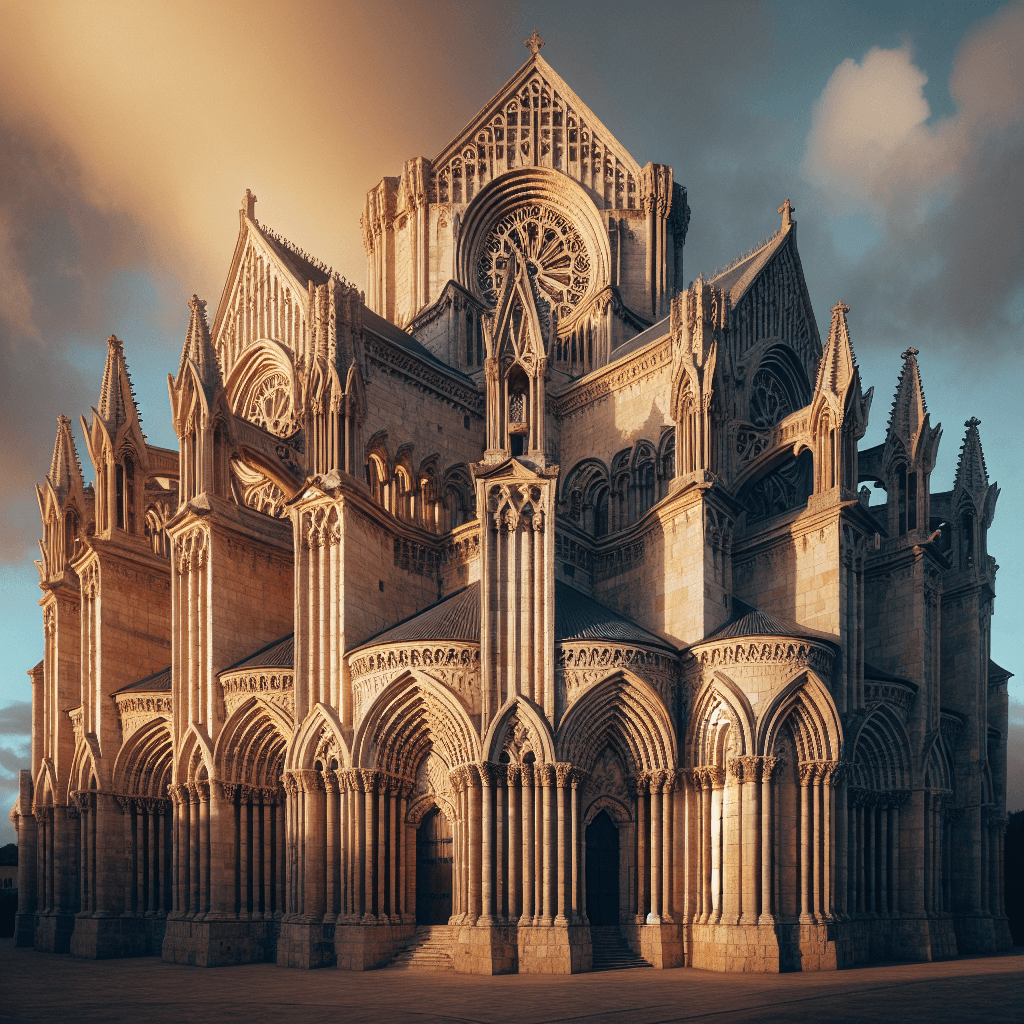
Have you ever stood before a magnificent old cathedral, like Notre Dame in Paris or Cologne Cathedral in Germany, and looked up in awe? Your eyes trace the soaring towers and intricate carvings, but then you notice them: massive, skeletal stone arms reaching out from the main building, looking like the ribs of some colossal, petrified creature. These aren't just elaborate decorations; they are one of the most brilliant architectural innovations in history. So, why do old cathedrals have those giant stone arms sticking out?
This post will explore the fascinating story behind these structures, known as flying buttresses. We will uncover the immense engineering challenge they were designed to solve and reveal how this single invention allowed architects to build the breathtaking, light-filled cathedrals that have inspired wonder for centuries.
The Gothic Ambition: Taller, Lighter, Brighter
To understand the flying buttress, we first need to understand the goals of the architects who built in the Gothic style (roughly 12th to 16th centuries). They wanted to move away from the preceding architectural style, Romanesque, which was characterized by thick, heavy walls, small windows, and dark, cavernous interiors. The Gothic vision was to create buildings that felt light, airy, and reached toward the heavens, flooding the sacred space with divine light.
To achieve this, they developed two key features:
- The Pointed Arch: Stronger than the rounded Romanesque arch, it could support more weight and reach greater heights.
- The Ribbed Vault: A complex ceiling structure that concentrated the immense weight of the stone roof onto specific points along the walls, rather than spreading it evenly.
This created a massive engineering problem. The immense weight of the roof and vaults pushed not only downwards but also outwards. This outward force, known as lateral thrust, would cause the new, thinner walls and tall columns to buckle and collapse. Architects needed a way to counter this force without reverting to thick, windowless walls.
Enter the Flying Buttress: An External Skeleton
The solution was a stroke of genius: the flying buttress. Instead of supporting the walls from the inside, they designed a revolutionary external support system. Think of it as a beautiful, functional exoskeleton.
A flying buttress system has two main parts:
- The Buttress Pier: A massive, solid stone pillar built at a distance from the cathedral's main wall.
- The "Flyer" Arch: This is the "giant stone arm" you see. It’s a stone arch that leaps, or "flies," across the open space above the side aisles. It connects the upper part of the main wall—precisely where the outward thrust from the roof vault is strongest—to the sturdy buttress pier.
This system works by catching the lateral thrust from the main wall and redirecting it. The force travels along the flyer arch, down through the massive pier, and is safely channeled into the foundation in the ground. It’s like having someone lean against a wobbly wall to hold it up, but instead of standing right next to it, they use a long, strong pole to apply pressure from a distance.
More Than Just Support: The Impact of the Flying Buttress
The invention of the flying buttress was transformative, completely changing what was possible in architecture. Its impact was profound.
First, cathedrals could soar to previously unimaginable heights. With the walls stabilized from the outside, architects were free to build ever taller naves, creating the awe-inspiring verticality that is a hallmark of the Gothic style.
Second, and perhaps most importantly, it liberated the walls. No longer needing to be thick, load-bearing structures, the walls could be opened up and filled with enormous, luminous stained-glass windows. This allowed architects to create what has been called "walls of light," flooding the interiors with color and telling biblical stories to a largely illiterate populace. The flying buttress is the hidden hero that makes the famous rose windows of cathedrals like Chartres and Notre Dame possible.
Finally, these functional elements became a key part of the cathedral's aesthetic. Architects decorated the buttress piers with elegant pinnacles (slender, pointed spires) which, in addition to looking graceful, added crucial weight to help drive the forces more directly to the ground. Gargoyles were often incorporated as decorative water spouts to drain rainwater away from the stone, preserving the structure.
Conclusion
So, the next time you marvel at an old cathedral, look for those giant stone arms. They are not just decorations but the key to the entire building's existence. The flying buttress was the medieval solution to an epic engineering problem, a perfect marriage of structural necessity and artistic expression. These elegant stone skeletons allowed architects to defy gravity, dissolve walls into light, and create some of the most sublime and enduring spaces on Earth. They are a powerful, visible reminder of the human ingenuity that literally holds up history.


