Why do raindrops on a moving car's side windows race sideways instead of down
It’s a tiny, everyday mystery you've seen a thousand times. Discover the invisible aerodynamic forces that overpower gravity and send raindrops racing sideways across your window.

Too Long; Didn't Read
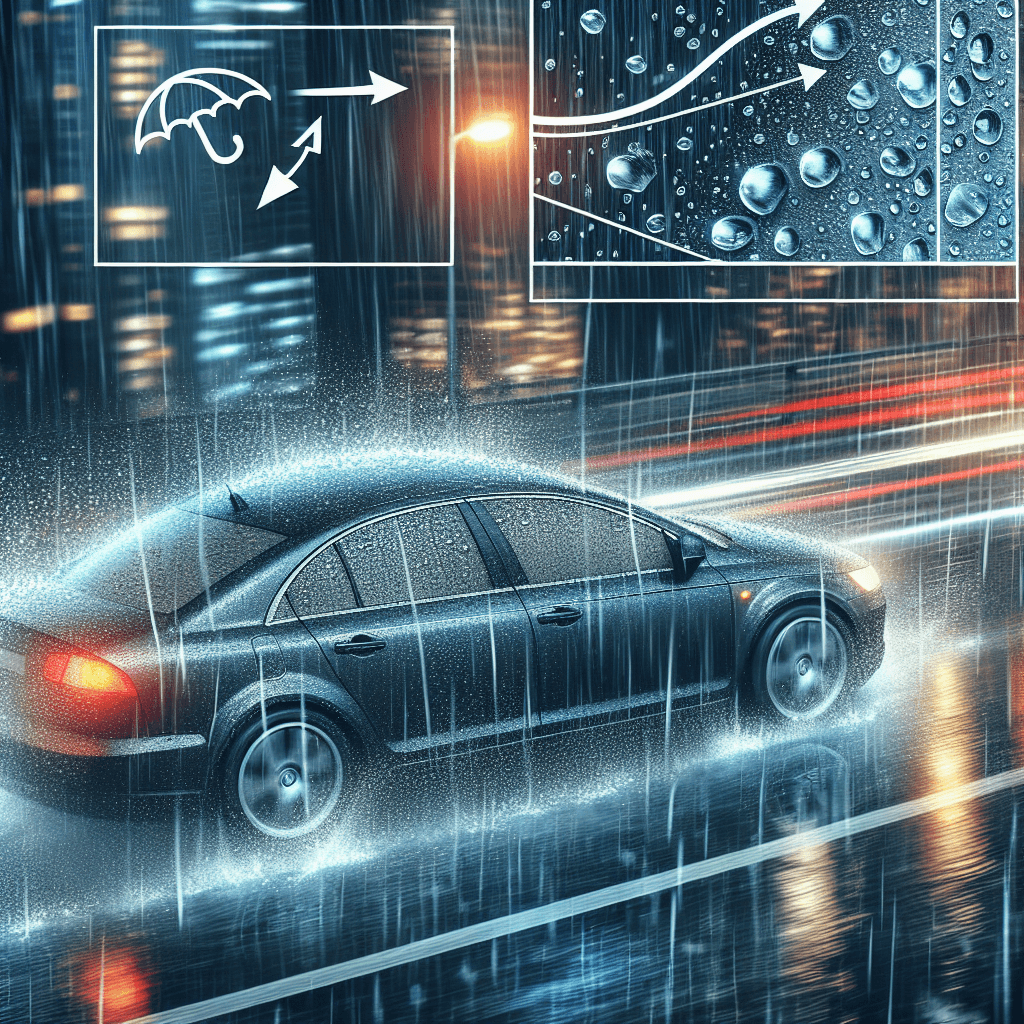
TLDR: The wind created by the car moving forward flows horizontally along the side windows. This sideways airflow is much stronger than gravity, so it pushes the raindrops sideways across the glass instead of them falling straight down.
The Sideways Race: Why Do Raindrops on a Moving Car's Side Windows Race Sideways Instead of Down?
Have you ever been a passenger on a rainy day, watching the tiny droplets on your side window? Instead of obediently trickling downwards, they seem to engage in a frantic, horizontal race towards the back of the car. It’s a mesmerizing sight, but it’s also a common phenomenon that leaves many of us wondering: why do they defy gravity? This isn't a magical trick; it's a perfect, real-world demonstration of fundamental physics at play. In this post, we'll break down the scientific forces at work, explaining exactly why raindrops on a moving car's side windows race sideways instead of down.
The Battle of the Forces
When your car is parked, the situation is simple. A raindrop lands on the window, and only one significant force acts on it: gravity. It pulls the droplet straight down. However, the moment your car starts moving, the raindrop becomes the subject of a complex tug-of-war between several competing forces. The winner of this battle determines the droplet's path.
The Key Players: A Trio of Forces
To understand the sideways race, we need to meet the three main forces dictating the raindrop's fate.
- Adhesion: This is the force of attraction between two different substances. In this case, it’s the force that makes the water molecules of the raindrop "stick" to the glass molecules of the window. Adhesion is what pins the droplet in place initially.
- Cohesion: This is the force of attraction between similar molecules. The cohesive forces between water molecules are what pull them together, creating surface tension and giving the raindrop its characteristic dome shape. Cohesion allows smaller droplets to merge into larger ones.
- Aerodynamic Drag (Airflow): This is the crucial force that changes everything. As your car moves forward, it cuts through the air, creating a powerful flow of wind that rushes along the sides of the vehicle. This moving air exerts a strong horizontal force—or drag—on anything on the car's surface, including raindrops.
How Airflow Wins the War
When a small raindrop first lands on the window of a moving car, the force of adhesion is strong enough to hold it in place against both the gentle pull of gravity and the force of the airflow. It sits there, seemingly still.
However, as the car speeds up or the drop merges with others (thanks to cohesion), two things happen:
- Its mass increases, which means the downward pull of gravity becomes stronger.
- Its surface area increases, which means it catches more of the wind flowing past the car, dramatically increasing the sideways force of aerodynamic drag.
At a certain point, the horizontal push from the airflow becomes significantly more powerful than the downward pull of gravity. The force of adhesion can no longer hold the droplet in place, and it breaks free. Because the sideways drag force is now the dominant one, the raindrop is violently pushed backward across the glass. The faster the car travels, the stronger the airflow, and the more horizontal the raindrop's path becomes, creating that familiar sideways streak. The slight downward dip you might still see is gravity's lingering influence in this high-speed battle.
Why is the Windshield Different?
You might notice that drops on your front windshield behave differently, often moving upwards or in swirling patterns before being swept away by the wipers. This is due to the car's aerodynamics. The windshield is steeply angled to be more aerodynamic, causing the air to flow up and over the car. This upward-moving air pushes the drops vertically, while on the flat, vertical side windows, the air flows almost perfectly horizontally from front to back.
Conclusion
The mystery of the sideways-racing raindrops is a beautiful illustration of physics in our daily lives. It’s not a defiance of gravity, but rather a case where another force—aerodynamic drag—becomes overwhelmingly dominant. The combined effects of adhesion holding the drop, cohesion growing it, and the powerful airflow from the moving car finally pushing it, create the spectacle we see from the passenger seat. So, the next time you're watching that tiny race on your window, you'll know you're not just watching the weather—you're witnessing a fascinating, high-speed contest of forces right outside your window.