Why do slot machines use fruit symbols because they were originally designed to dispense fruit-flavored chewing gum
Ever wonder why slot machines are covered in cherries and lemons? Discover the delicious secret of how a 19th-century legal loophole transformed these gambling icons into high-stakes chewing gum dispensers.

Too Long; Didn't Read
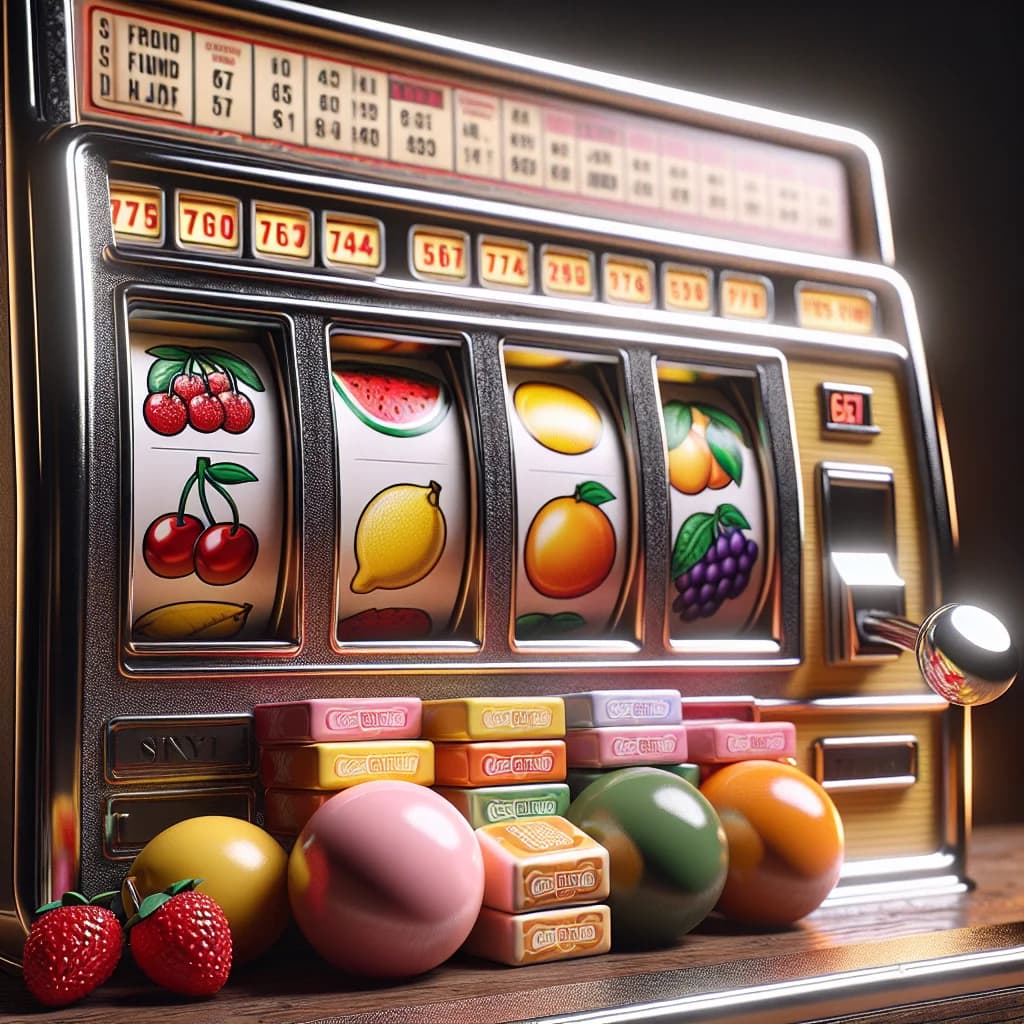
Fruit symbols on slot machines originated in the early 1900s when anti-gambling laws forced manufacturers to dispense chewing gum instead of cash prizes. The icons represented the various gum flavors available, such as cherry and orange, while the iconic BAR symbol was modeled after the logo of the Bell-Fruit Gum Company. This clever pivot bypassed legal restrictions and created a lasting design tradition that persists today.
The Sweet History of Gambling: Why Do Slot Machines Use Fruit Symbols Because They Were Originally Designed to Dispense Fruit-Flavored Chewing Gum?
Have you ever paused during a trip to the casino to wonder why, amidst high-tech digital displays and complex themes, the most iconic symbols in gambling remain humble cherries, lemons, and plums? It seems like an odd choice for a multi-billion-dollar industry. However, these vibrant icons are not just a design quirk; they are a direct link to a clever legal loophole from over a century ago. The reason why do slot machines use fruit symbols because they were originally designed to dispense fruit-flavored chewing gum is a fascinating tale of American ingenuity and the survival of the gaming industry during an era of strict prohibition. This post explores the historical transition from cash-paying machines to gum dispensers and how that legacy persists today.
The Birth of the One-Armed Bandit
To understand the fruit symbols, we must first look at the very first slot machines. In the late 19th century, a mechanic named Charles Fey invented the "Liberty Bell" in San Francisco. This 1894 machine featured three spinning reels with five symbols: horseshoes, diamonds, spades, hearts, and a cracked Liberty Bell. If a player lined up three bells, they received the highest payout of ten nickels.
As these machines gained popularity, they caught the attention of religious groups and lawmakers. By the early 1900s, many U.S. states began passing strict anti-gambling laws that prohibited machines from paying out cash prizes. To keep their businesses alive, manufacturers had to find a way to transform "gambling devices" into "vending machines."
From Cash to Confections: The Gum Solution
In 1907, the Industry Novelty Company—and shortly after, the Mills Novelty Company—began manufacturing machines that looked like slots but functioned differently to circumvent the law. Instead of paying out coins, these machines rewarded winners with sticks of chewing gum.
To make the "vending" aspect clear to players and law enforcement, the reel symbols were changed to reflect the flavors of the gum the machine dispensed. This is the pivotal moment in history where the fruit aesthetic was born.
The Meaning Behind the Symbols
Each fruit represented a specific flavor of gum available in the machine’s internal dispenser:
- Cherries: Represented cherry-flavored gum.
- Oranges: Represented orange-flavored gum.
- Plums: Represented plum-flavored gum.
- Lemons: Often represented a sour or lemon-flavored gum.
- The "BAR" Symbol: This iconic symbol, which is still used today, was originally the logo of the Bell-Gum Fruit Company (a subsidiary of Mills Novelty Company). It depicted a stylized pack of gum.
By dispensing gum instead of money, proprietors could argue that the machines were simply automated candy stores. Players weren't "gambling" for money; they were "purchasing" gum with an element of entertainment.
How the Fruit Symbols Became Permanent
Even after gambling laws relaxed and machines returned to paying out cash, the fruit symbols remained. Several factors contributed to their longevity:
- Public Familiarity: By the time cash payouts were legal again, the public had grown accustomed to "fruit machines." The symbols had become synonymous with the excitement of the game.
- Psychology and Mood: According to historians of gaming technology, the bright colors and "friendly" imagery of fruit helped soften the image of gambling. It made the machines feel less like "sinful" devices and more like harmless amusement.
- Manufacturing Consistency: Companies like Mills Novelty Company dominated the market for decades. Their standardized use of these icons meant that any new competitor had to use similar imagery to be instantly recognizable to players.
Conclusion
The evolution of the slot machine is a classic example of how regulation can drive creative innovation. Why do slot machines use fruit symbols because they were originally designed to dispense fruit-flavored chewing gum? Because it was the only way for the industry to survive a period of intense legal scrutiny. What began as a tactical maneuver to bypass anti-gambling laws eventually transformed into a global aesthetic standard that has lasted for over 100 years.
The next time you see a row of cherries or a "BAR" symbol on a digital screen, remember that you are looking at a piece of industrial history. These symbols serve as a reminder of an era when a stick of gum was the ultimate jackpot, and they continue to bridge the gap between the mechanical past and our digital future. If you are interested in the intersection of technology and history, the story of the slot machine offers a perfect window into how today’s traditions are often yesterday’s solutions.