
Why do some giant tarantulas keep tiny frogs as pets
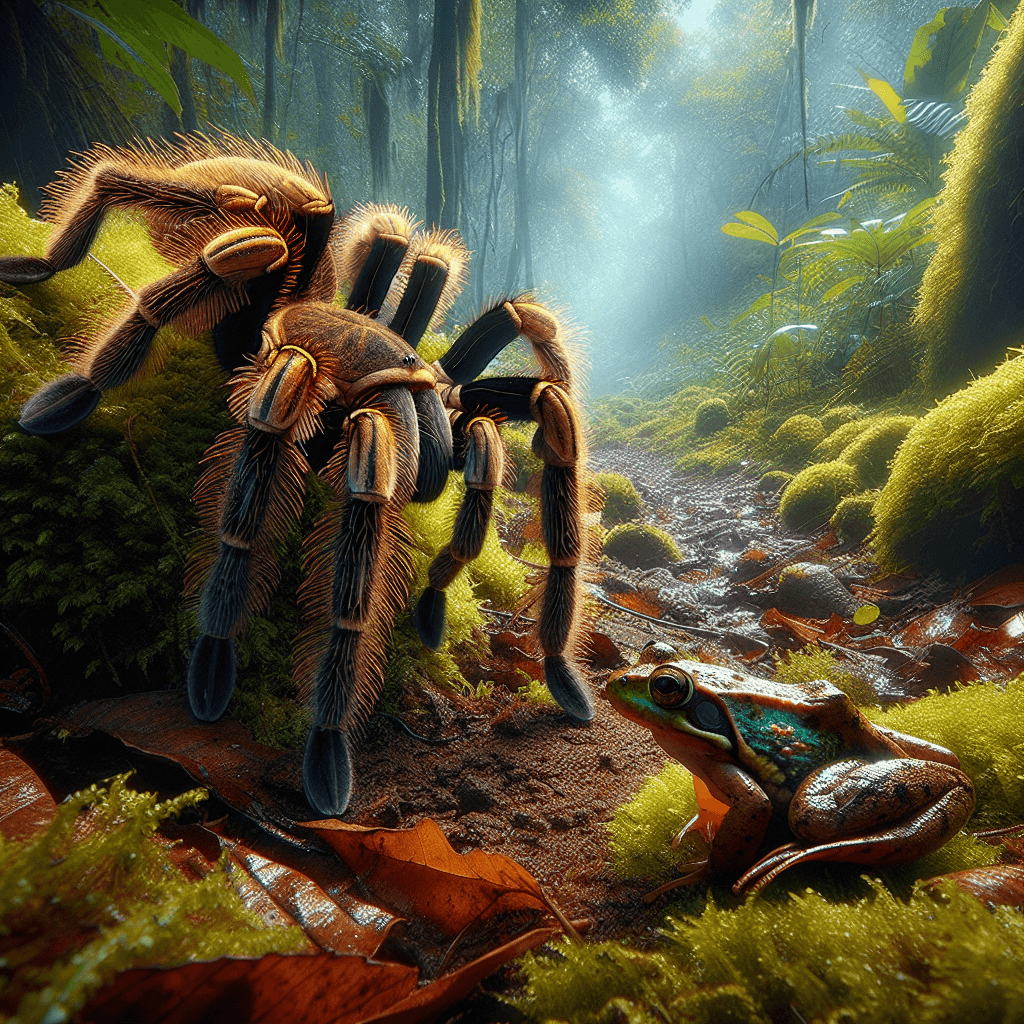
It’s one of nature's most bizarre alliances, where a giant tarantula adopts a tiny frog not as a pet, but as a deadly personal bodyguard.

Too Long; Didn't Read
It's a mutually beneficial relationship. The tiny frog acts as a bodyguard, eating ants and other pests that could harm the giant tarantula's eggs. In return, the tarantula’s presence protects the frog from its own predators like snakes.
Nature's Strangest Roommates: Why Do Some Giant Tarantulas Keep Tiny Frogs as Pets?
In the vast, intricate web of the animal kingdom, few relationships are as startlingly bizarre as that of a giant, hairy tarantula and a minuscule, delicate frog living together in harmony. It sounds like a scene from a fantasy novel, but in the humid burrows of South America, this unlikely pairing is a real and fascinating survival strategy. The image of a predator capable of eating birds cohabitating with a bite-sized amphibian raises an obvious question: why? This post will delve into the science behind this peculiar alliance, revealing that it’s not a case of pet ownership, but a brilliant example of mutual benefit.
More Than a Pet: A Case of Symbiosis
First, let's clear up a common misconception. While we might affectionately call the frog the tarantula's "pet," this relationship is a textbook example of symbiosis—specifically, mutualism. Mutualism is a biological interaction where two different species form a partnership, and both organisms benefit from the arrangement.
This isn't a master-and-pet dynamic; it's a mutually agreed-upon roommate situation where both parties contribute to the household. The specific pair most famously observed is the Goliath birdeater tarantula (Theraphosa blondi), one of the largest spiders in the world, and the dotted humming frog (Chiasmocleis ventrimaculata), a frog so small it could comfortably sit on your thumbnail.
The Tarantula's Tiny Bodyguard
So, what does a fearsome arachnid gain from a tiny amphibian roommate? The answer lies in protecting its most valuable asset: its offspring. The tarantula's burrow is a relatively safe space, but it's not immune to tiny invaders.
- Pest Control: The primary job of the frog is to act as a highly effective pest-control service. It devours small invertebrates that pose a threat to the tarantula.
- Protecting the Eggs: The biggest danger comes from ants and mites, which can easily raid a tarantula's nest and consume its delicate egg sac. The tarantula, despite its size, is not well-equipped to fend off a swarm of tiny, determined insects. The frog, however, is a voracious predator of these exact pests, acting as a live-in bodyguard for the next generation of spiders.
Researchers have observed these frogs actively patrolling the burrow and snapping up any pests that venture too close to the tarantula's eggs, ensuring their survival.
The Frog's Fearsome Protector
The benefits for the frog are much more obvious. In a rainforest teeming with predators, a small, soft-bodied amphibian is an easy meal for snakes, larger lizards, and even other spiders. Moving in with a giant tarantula is like hiring the world's most terrifying security guard.
- Ultimate Protection: Few predators would dare to enter the burrow of a Goliath birdeater to snatch a tiny frog. The tarantula's fearsome reputation and venomous bite create a nearly impenetrable shield of safety for its amphibian companion.
- A Safe, Humid Home: The tarantula's burrow offers more than just security. It provides a stable, humid microclimate that is essential for the frog's survival. As an amphibian, the dotted humming frog must keep its skin moist, and the cool, damp burrow is the perfect environment.
- Potential for Leftovers: The frog may also benefit from leftover scraps, feeding on the tiny insects attracted to the tarantula's prey remains.
The Secret Handshake: Chemical Recognition
This brings us to the most critical question: why doesn't the tarantula simply eat the frog? After all, tarantulas are opportunistic predators. The answer likely comes down to chemistry. Scientists theorize that tarantulas recognize their amphibian partners through chemical cues on the frog's skin.
The skin secretions of the dotted humming frog may be unpalatable or contain a specific chemical signature that tells the spider "I'm not food, I'm a friend." There have been documented cases where a tarantula will gently pick up the frog with its fangs, investigate it, and then release it unharmed. This suggests a sophisticated recognition system that allows the spider to distinguish its helpful roommate from a potential meal, solidifying one of nature's most unusual and effective partnerships.
A Partnership Born of Necessity
The relationship between giant tarantulas and tiny frogs is a stunning reminder that nature is full of complex and unexpected collaborations. It's not a simple case of a spider keeping a pet, but a highly evolved, symbiotic partnership where a bodyguard trades its services for a safe home. This "odd couple" showcases the beautiful and practical logic of evolution, proving that in the ruthless game of survival, sometimes the most valuable ally comes in the most surprising package. It’s a testament to the fact that there is always more to discover about the intricate connections that bind life together.


