
Why do some grocery stores spray their produce with water mist even though it actually makes vegetables rot faster
That refreshing mist over your produce isn’t there to keep it fresh—it’s actually a calculated "optical illusion" that makes your vegetables rot faster. Discover the surprising reason why grocery stores prioritize a pretty display over your food's shelf life.

Too Long; Didn't Read
Grocery stores mist produce primarily for cosmetic appeal and financial gain. The water keeps vegetables looking plump and vibrant while adding weight, which increases the price for items sold by the pound. Although the excess moisture encourages bacterial growth and faster rot, the visual freshness and increased weight generate enough extra revenue to outweigh the cost of spoilage.
The Dewy Deception: Why Do Some Grocery Stores Spray Their Produce With Water Mist Even Though It Actually Makes Vegetables Rot Faster?
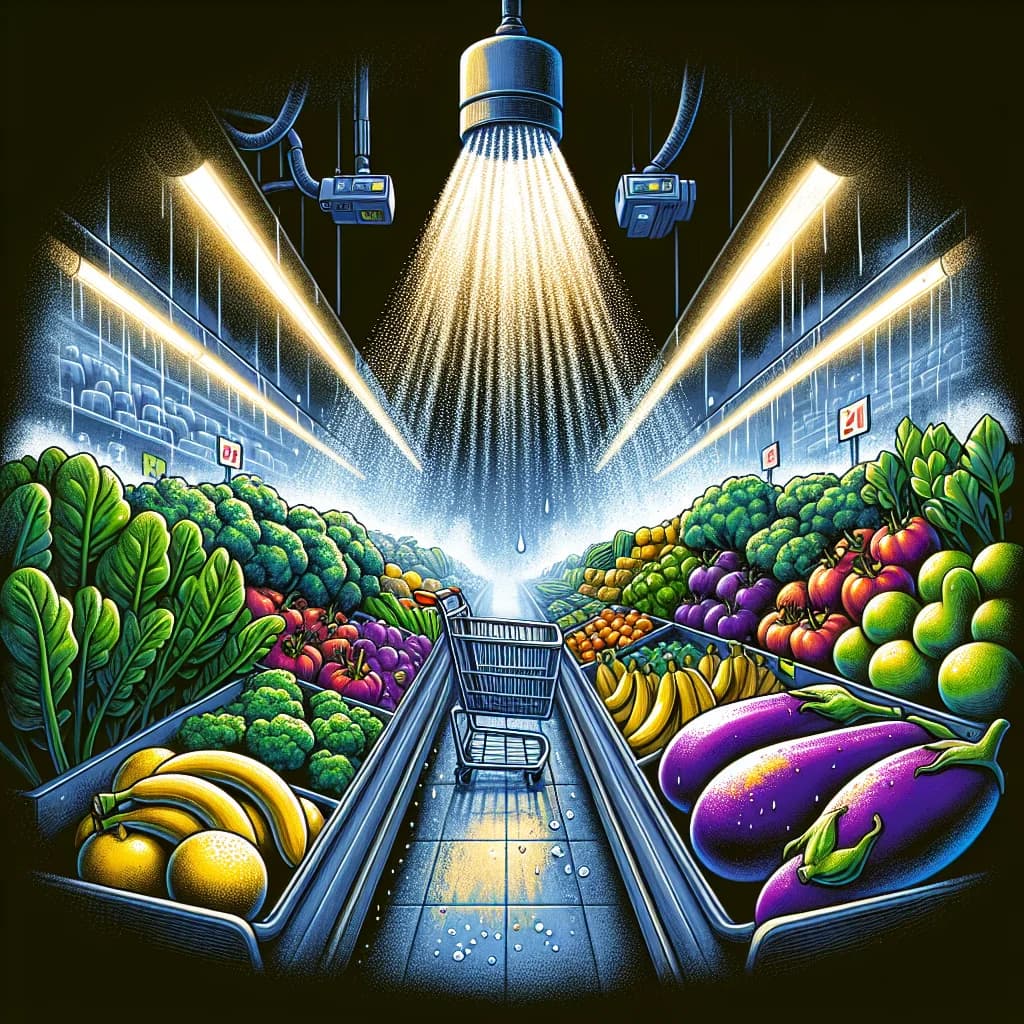
Have you ever been browsing the produce aisle when a simulated crack of thunder echoes through the speakers, followed by a gentle, cooling mist over the kale and carrots? It creates an atmosphere of farm-fresh vitality, suggesting the vegetables were just plucked from a rain-kissed field. However, there is a scientific irony at play: while that moisture makes the vegetables look vibrant, it can actually accelerate the decaying process by inviting bacteria and mold. This raises a compelling question: Why do some grocery stores spray their produce with water mist even though it actually makes vegetables rot faster? The answer lies in a complex balance of plant physiology, retail economics, and consumer psychology.
The Science of "Turgor Pressure": Keeping Greens Crisp
The primary biological reason retailers use misting systems is to maintain what scientists call "turgor pressure." Vegetables, particularly leafy greens like spinach, lettuce, and parsley, are composed of over 90% water. Once harvested, these plants continue to "breathe" through a process called transpiration, where they lose moisture to the surrounding air.
When a plant loses too much water, its cellular walls collapse, leading to the limp, wilted appearance that shoppers find unappealing. According to agricultural research, regular misting replaces the moisture lost to evaporation, keeping the cells hydrated and the leaves structurally rigid. To the average shopper, a crisp leaf signifies freshness, even if the vegetable has been sitting in the store for several days.
The Economics of "Shrink": Selling Water by the Pound
Beyond the visual appeal, there is a significant financial incentive for grocery stores to keep their produce wet. In the retail industry, "shrink" refers to the loss of inventory due to spoilage or physical weight loss. Because most produce is sold by weight, dehydration directly translates to lost profit.
- Weight Maintenance: When vegetables sit in dry, air-conditioned environments, they can lose up to 10% of their mass through evaporation.
- Profit Margins: By misting the produce, stores ensure the vegetables retain their maximum weight. Essentially, when you pay for a pound of misted broccoli, a small percentage of that price is paying for the water clinging to the florets.
- Inventory Longevity: While moisture eventually leads to rot, it prevents the immediate "un-sellability" of wilted items, giving the store a larger window to sell the product before it looks physically degraded.
The Psychology of the "Fresh" Aesthetic
Retailers are masters of sensory marketing. The misting systems, often accompanied by the sound of a rainstorm, trigger a psychological association with nature and the outdoors. This "halo effect" makes consumers perceive the entire produce department as higher quality.
Research in consumer behavior suggests that humans are evolutionarily hardwired to seek out water sources and hydrated food. Shiny, "dewy" vegetables appear more appetizing and nutritious than dry ones. Even though the water can introduce a breeding ground for microbes, the immediate visual gratification of a glistening bell pepper often outweighs the long-term logic of shelf life for the average buyer.
The Hidden Cost: Why Moisture Speeds Up Decay
Despite the benefits of crispness and weight, the practice is a double-edged sword. Water is the primary catalyst for the growth of mold, yeast, and bacteria.
- Microbial Growth: According to food safety experts, moisture trapped in the crevices of leafy greens or the heads of broccoli provides the perfect environment for Erwinia and other soft-rot bacteria to thrive.
- Dilution of Natural Protections: Excessive water can sometimes wash away the natural waxy cuticle or "bloom" that protects certain vegetables from the environment.
- Ethylene Concentration: In some cases, the way produce is stacked to be misted can trap ethylene gas—a natural ripening agent—causing the vegetables to age and rot faster than they would in a well-ventilated, dry environment.
Conclusion
The decision to mist produce is a calculated trade-off. While it is true that moisture can shorten the ultimate lifespan of a vegetable by encouraging rot, grocery stores prioritize the immediate benefits of maintaining turgor pressure and product weight. For the retailer, it is more profitable to sell a heavy, crisp vegetable today than to have a dry, wilted one that lasts for two weeks but no one wants to buy.
Understanding this practice helps consumers make better choices. To combat the effects of the "dewy deception," experts recommend shaking off excess water before bagging your produce and patting vegetables dry once you get home. By managing the moisture levels in your own refrigerator, you can enjoy the crispness the store intended without the accelerated rot that usually follows.


