
Why do some major cities have fake houses that are actually empty shells hiding massive subway ventilation shafts
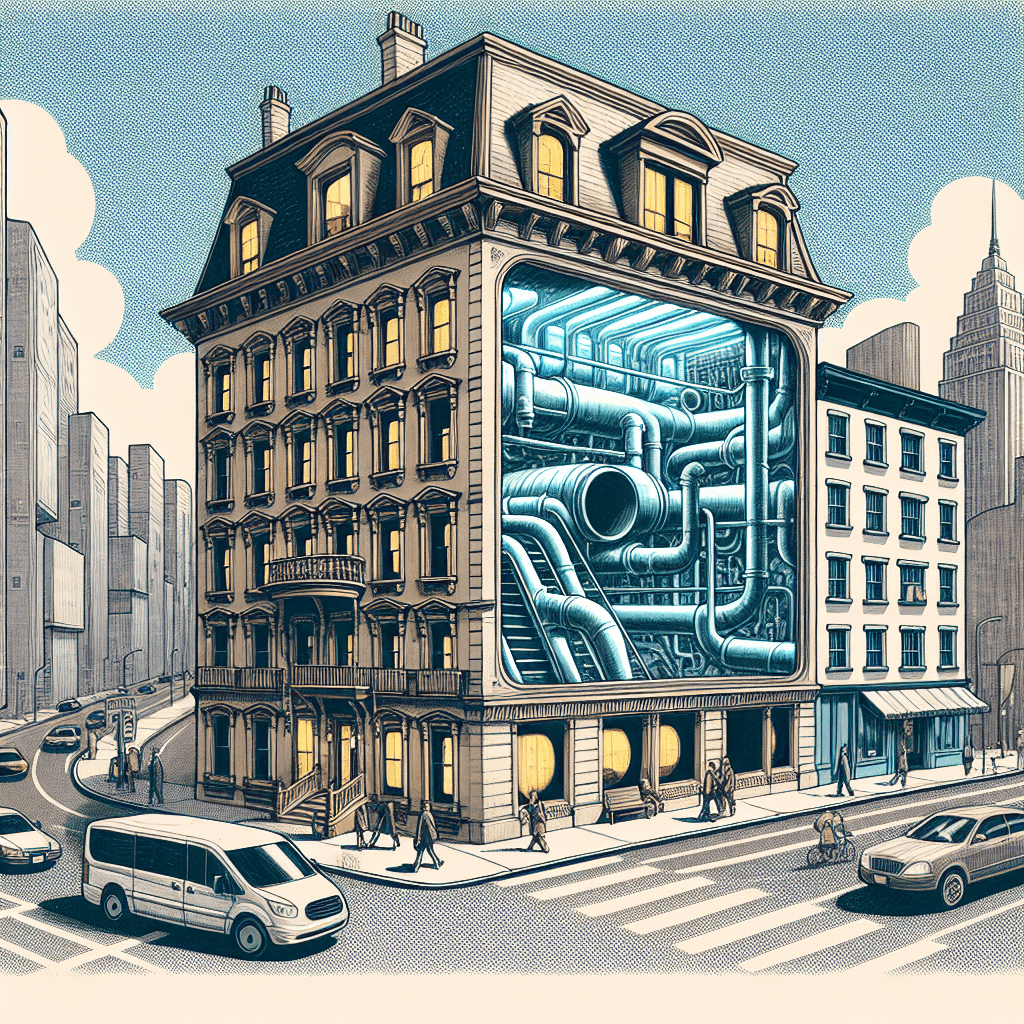
That charming townhouse on your block might be a total lie. Step inside the "ghost houses" of major cities—clever architectural illusions hiding the massive, roaring machinery of the subway system in plain sight.

Too Long; Didn't Read
Some cities use fake residential buildings to disguise subway ventilation shafts and electrical substations. These hollow shells maintain the neighborhood aesthetic while concealing the loud and industrial infrastructure necessary for underground transit systems.
Hidden in Plain Sight: Why Do Some Major Cities Have Fake Houses That Are Actually Empty Shells Hiding Massive Subway Ventilation Shafts?
If you were to walk down the elegant streets of London’s Bayswater or the historic blocks of Brooklyn Heights, you might notice something slightly "off" about certain townhomes. Perhaps the windows are perpetually dark, or the front door lacks a keyhole. These are not the homes of reclusive millionaires; they are "dummy houses." While they appear to be standard residential buildings from the street, they are actually hollow shells designed to serve a critical infrastructure role.
But why do some major cities have fake houses that are actually empty shells hiding massive subway ventilation shafts? These architectural decoys are a fascinating blend of urban engineering and aesthetic preservation. This blog post will explore the functional necessity of these structures, the history behind their camouflage, and where you can find the most famous examples of these hidden industrial giants.
The Functional Necessity: Why Subways Must "Breathe"
To understand why these fake houses exist, one must first understand the physics of an underground transit system. Subways are essentially giant pneumatic tubes. When a train moves through a tunnel, it pushes a massive column of air in front of it and pulls air behind it—a phenomenon known as the "piston effect."
Without proper ventilation, several dangerous issues arise:
- Heat Accumulation: Subway systems generate immense heat from braking resistors, engines, and human activity. Without an outlet, temperatures in tunnels could reach levels unsafe for equipment and passengers.
- Air Quality: Fresh air must be constantly circulated to prevent the buildup of dust and carbon dioxide.
- Emergency Smoke Clearance: In the event of a tunnel fire, high-capacity fans within these shafts are used to extract smoke, allowing passengers to evacuate safely.
Preserving the Urban Fabric: Camouflage as a Solution
If ventilation is so important, why not simply install a massive industrial grate or a concrete chimney? The answer lies in urban planning and historical preservation.
In many older, densely populated cities, the subway lines run directly beneath expensive residential neighborhoods. Building a raw, industrial structure in the middle of a Victorian terrace or a row of brownstones would significantly devalue the area and face fierce opposition from residents. To maintain the "urban fabric," transit authorities build "fake houses" that match the local architecture. These facades allow the city to hide necessary machinery, such as massive fans and emergency exit stairs, in plain sight.
Famous Examples Around the Globe
Several world-class cities have perfected the art of architectural deception. Here are the most notable examples:
23 and 24 Leinster Gardens, London
Perhaps the most famous example is located in London. When the Metropolitan Railway (the world’s first underground line) was built in the 1860s, it used steam locomotives. These trains required "open-air" sections to allow steam and smoke to escape. To build a vent in the middle of a high-end neighborhood, the railway company constructed 1.5-meter-thick facades that perfectly match the neighboring houses. If you look closely at the back of the buildings, however, there is nothing but a gaping hole over the tracks.
58 Joralemon Street, Brooklyn
In New York City, a beautiful red-brick brownstone in Brooklyn Heights hides a secret. While it fits perfectly among its 19th-century neighbors, the windows are actually blackened steel plates. This structure serves as both a ventilation shaft and an emergency egress point for the New York City Subway’s 4 and 5 lines passing under the East River.
145 Rue Lafayette, Paris
Paris also utilizes this tactic. At 145 Rue Lafayette, a seemingly normal Haussmann-style building stands among its peers. However, a glance at satellite imagery reveals there is no roof. The "building" is a hollow chimney used to vent the RER (Regional Express Railway) system.
The Engineering Behind the Facade
Building a fake house is more complex than just putting up a wall. These structures must be engineered to handle:
- Acoustics: The massive fans used in subway ventilation are incredibly loud. The "houses" are often lined with sound-dampening materials to ensure neighbors aren't disturbed by the mechanical roar.
- Structural Integrity: Because these shells are often hollow, they must be reinforced to withstand the air pressure changes caused by passing trains without collapsing or vibrating.
- Access: While the front doors may be fake, there are always hidden service entrances for maintenance crews and emergency responders.
Conclusion
The existence of fake houses is a testament to the lengths city planners will go to balance modern infrastructure with historical beauty. These empty shells serve as vital "lungs" for the city, ensuring that the millions of people traveling underground every day have cool, breathable air and a safe exit in case of emergency.
Why do some major cities have fake houses that are actually empty shells hiding massive subway ventilation shafts? Because it allows the city to grow and modernize without losing the character that makes its neighborhoods special. The next time you are walking through an old city, take a closer look at that quiet, windowless house—it might just be the reason the subway beneath your feet is running smoothly.


