
Why do some mushrooms look like they are bleeding a thick red fluid
It’s not blood, but the truth behind the eerie, crimson droplets oozing from these fungi is one of nature's most bizarre and fascinating secrets.

Too Long; Didn't Read
TLDR: It's not blood, but a process called guttation. When a mushroom absorbs too much water from wet soil, it forces out the excess, which is colored red by natural pigments.
The Bleeding Tooth Fungus: Why Do Some Mushrooms Look Like They Are Bleeding a Thick Red Fluid?
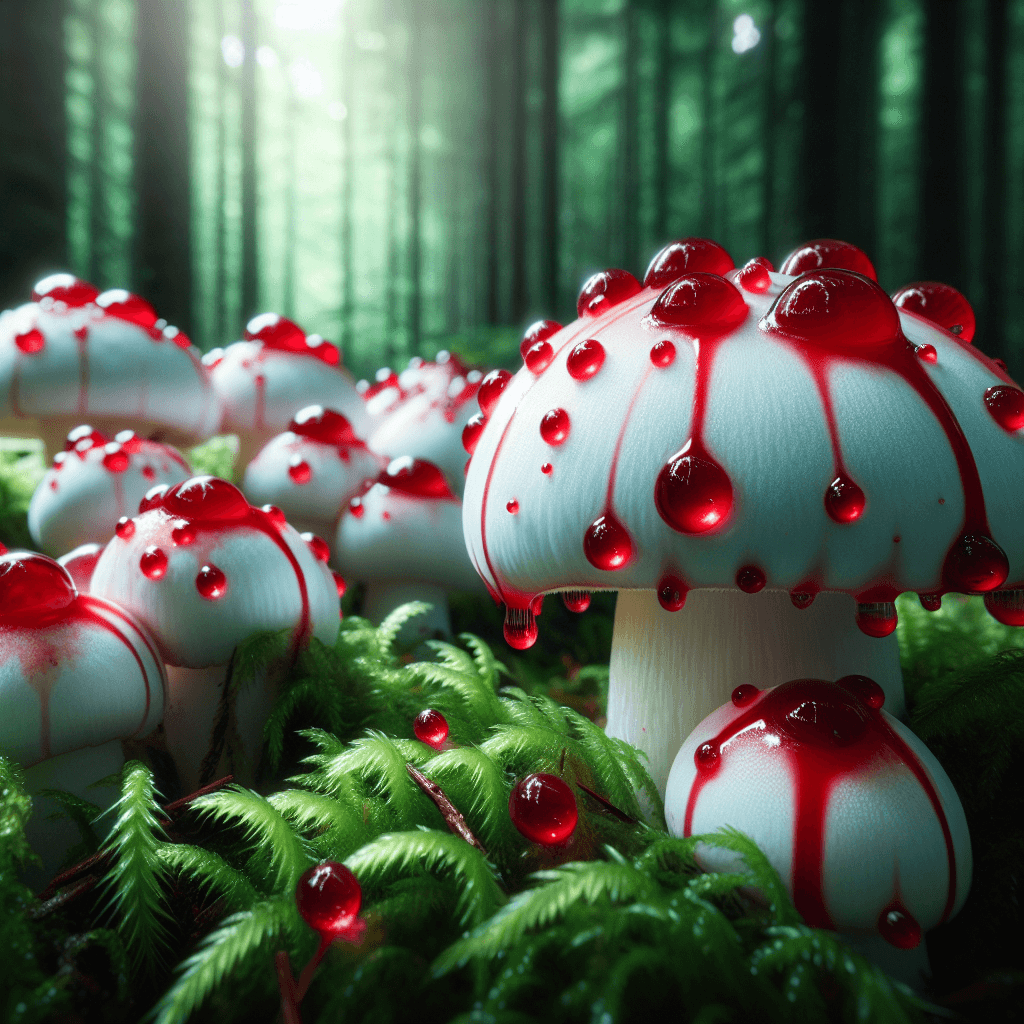
Imagine taking a walk through a dense, damp forest. As you scan the mossy ground, you spot something both beautiful and bizarre: a pristine white mushroom that looks like it’s weeping thick, ruby-red droplets. It’s a striking image that seems to come straight from a fantasy novel, but this strange phenomenon is entirely real. This captivating display often leads to the question: why do some mushrooms look like they are bleeding? This post will delve into the science behind this curious spectacle, uncovering the secrets of nature's most dramatic fungi.
What is the 'Bleeding' Mushroom?
The most famous example of this phenomenon is a fungus with a name as dramatic as its appearance: Hydnellum peckii, more commonly known as the Bleeding Tooth Fungus or Devil's Tooth. Found primarily in coniferous forests across North America and Europe, this mushroom forms a symbiotic relationship with the roots of trees.
When young, the fungus has a lumpy, whitish cap that resembles a wad of chewed gum or a forgotten pastry. Its most distinctive feature, however, is the collection of bright red, viscous droplets that dot its surface, looking precisely like blood. Underneath its cap, it has spine-like or "tooth-like" structures instead of the typical gills, which release its spores. While it looks sinister, and its taste is reported to be incredibly bitter, the Bleeding Tooth Fungus is not considered toxic.
The Science Behind the 'Blood': Guttation
The "bleeding" effect is not blood at all, but a natural biological process known as guttation. While more commonly associated with plants, guttation can also occur in fungi under specific conditions. Here’s how it works:
- High Soil Moisture: The process typically happens at night or during periods of high humidity when the soil is very moist.
- Water Absorption: The mushroom's extensive underground network of threads, called mycelium, absorbs a large amount of water from the soil.
- Internal Pressure: This influx of water creates high internal pressure, known as root pressure, within the fungal structure.
- Exuding Excess Fluid: The fungus needs to relieve this pressure. It does so by forcing the excess water out through tiny pores on its surface. This exuded fluid is essentially the mushroom's version of sap.
This process is most common in young, rapidly growing mushrooms, which is why the "bleeding" is most vibrant on new specimens.
What Makes the Fluid Red?
So, if the fluid is just excess water and sap, why is it such a vibrant, blood-like red? The answer lies in a specific pigment found within the fungus itself. As the water is pushed out, it mixes with compounds from the mushroom's metabolism.
In the case of Hydnellum peckii, the vivid red color is due to a pigment called atromentin. Researchers have taken an interest in this pigment for more than just its color. Studies have shown that atromentin possesses interesting properties, including anticoagulant effects—ironic, given the mushroom's bloody appearance—as well as antibacterial qualities. This means the colorful droplets may also serve a protective purpose for the young, vulnerable fungus.
Are Other Fungi 'Bleeders'?
While the Bleeding Tooth Fungus is the most famous example, it’s not alone in this trait. Other fungi also exude colorful liquids, though the mechanism can sometimes differ.
- The Beefsteak Fungus (Fistulina hepatica): This mushroom grows on trees and looks uncannily like a slab of raw meat or a liver. When cut, it oozes a reddish fluid, completing its gory resemblance.
- The Bleeding Mycena (Mycena haematopus): A more delicate mushroom, this species will exude a reddish or purplish latex-like fluid, known as "bleeding," when its stem is snapped or damaged.
These examples show that while guttation in Hydnellum peckii is a passive process driven by pressure, other fungi can "bleed" as a direct response to injury.
A Beautifully Bizarre Phenomenon
The sight of a bleeding mushroom is a powerful reminder of the complex and often surprising processes at work in the natural world. What appears to be a gruesome scene is actually a beautiful example of a fungus perfectly managing its internal water balance through guttation. The "blood" is simply fungal sap, colored by a unique pigment that may even help protect it. So, the next time you're in the woods, keep an eye on the forest floor. You might just witness one of nature's most fascinating spectacles—a mushroom that weeps jewels of red.


