
Why do some of the world's tallest skyscrapers house a giant steel ball to prevent them from swaying
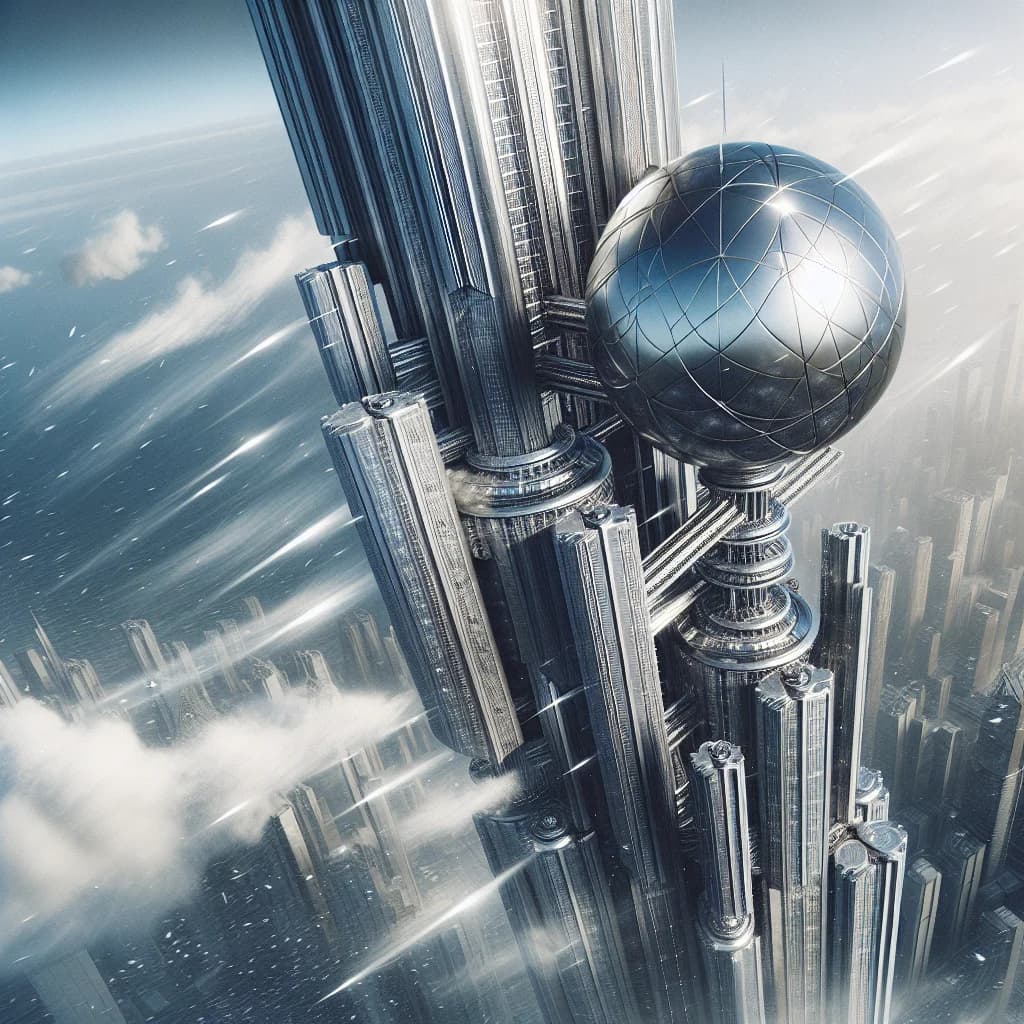
Hidden high above the clouds sits a massive, 700-ton steel sphere that acts as the secret "heart" and ultimate protector of the world's most iconic towers. Discover the fascinating engineering magic that prevents these concrete giants from swaying—or snapping—under the pressure of nature's most powerful forces.

Too Long; Didn't Read
Skyscrapers use giant steel balls called tuned mass dampers to counteract swaying caused by wind or earthquakes. These massive weights swing in the opposite direction of the building's movement, absorbing kinetic energy and stabilizing the structure to ensure safety and comfort for occupants.
The Science of Stability: Why do some of the world's tallest skyscrapers house a giant steel ball to prevent them from swaying?
Imagine standing on the 101st floor of a mega-skyscraper during a massive typhoon. While the winds outside howl at over 100 miles per hour, you might expect the floor beneath you to tilt like the deck of a ship. However, thanks to a remarkable feat of engineering, you remain perfectly steady. This stability is often due to a massive, multi-ton sphere suspended near the top of the structure. But why do some of the world's tallest skyscrapers house a giant steel ball to prevent them from swaying? This blog post explores the fascinating world of Tuned Mass Dampers (TMDs), explaining how these "giant steel balls" use the laws of physics to protect both the structural integrity of buildings and the comfort of the people inside them.
The Challenge of Living in the Clouds: Wind and Sway
Every skyscraper is designed to be flexible. If a building were perfectly rigid, the immense pressure from high-altitude winds or seismic activity would cause it to crack or collapse. However, this flexibility creates a new problem: sway.
When wind hits a tall building, it doesn't just push against it; it creates "vortex shedding." According to structural engineering principles, as wind flows around a square or rectangular tower, it creates swirls of low pressure on the opposite side. These vortices pull the building from side to side, causing it to oscillate. While these movements are usually safe for the structure, they can be incredibly unsettling for occupants, leading to motion sickness or anxiety. This is where the giant steel ball, formally known as a Tuned Mass Damper, comes into play.
How a Tuned Mass Damper Works
A Tuned Mass Damper is essentially a massive weight—often a steel ball or a series of steel plates—suspended by cables and connected to the building via hydraulic shock absorbers. It acts as a counterweight to the building’s natural movement.
The physics behind it is based on inertia and resonance:
- Opposing Motion: When wind pushes the building to the right, the giant ball’s inertia keeps it momentarily in place, effectively "lagging" behind. As the building moves, the ball eventually swings to the left, pulling the building back toward the center.
- Energy Dissipation: The ball is connected to hydraulic cylinders (damper units). As the ball moves, these cylinders convert the kinetic energy of the building's sway into heat, which is then dissipated, much like the shock absorbers in a car.
- Tuning: The "tuned" part of the name is crucial. Engineers calculate the specific frequency at which the building naturally vibrates and "tune" the weight and cable length of the ball to match that frequency, ensuring it cancels out the movement effectively.
Case Study: The Golden Sphere of Taipei 101
The most famous example of this technology is found in Taipei 101 in Taiwan. For years, it held the title of the world’s tallest building, and it sits in a region prone to both typhoons and earthquakes.
To combat these forces, Taipei 101 houses a 728-ton steel ball suspended between the 87th and 92nd floors. This sphere is not a single solid piece but is constructed from 41 layers of 125-millimeter-thick steel plates. During a major earthquake in 2022, footage of the ball swinging went viral, demonstrating its ability to absorb massive amounts of energy and keep the tower standing tall. Unlike most skyscrapers that hide their dampers, Taipei 101 made theirs a public tourist attraction, highlighting the beauty of functional engineering.
Why Are These Balls Essential?
While not every tall building uses a spherical TMD—some use massive concrete blocks or liquid tanks—the goal remains the same. The benefits of housing these giant weights include:
- Occupant Comfort: This is the primary reason for most TMDs. In luxury high-rises, even a few inches of sway can cause water in toilets to splash and chandeliers to swing, which can be distressing for residents.
- Structural Longevity: By reducing the amplitude of vibrations, the damper minimizes the "metal fatigue" and stress on the building's joints and structural steel over decades of service.
- Safety in Extremes: During rare, high-intensity events like hurricanes or tremors, the damper provides an extra layer of defense, preventing the building’s oscillations from reaching a point of structural failure.
Conclusion
The presence of a giant steel ball at the top of a skyscraper might seem like something out of a science fiction novel, but it is a practical and brilliant application of classical physics. Why do some of the world's tallest skyscrapers house a giant steel ball to prevent them from swaying? To ensure that the marvels of modern architecture remain safe, stable, and comfortable for those who inhabit them. As we continue to build higher and reach further into the clouds, these "hidden" weights will remain the silent guardians of our urban skylines. The next time you look up at a massive tower, remember that its stability might just depend on a giant, swinging heart of steel.


