
Why do some old city sidewalks feature small purple glass blocks embedded into the concrete
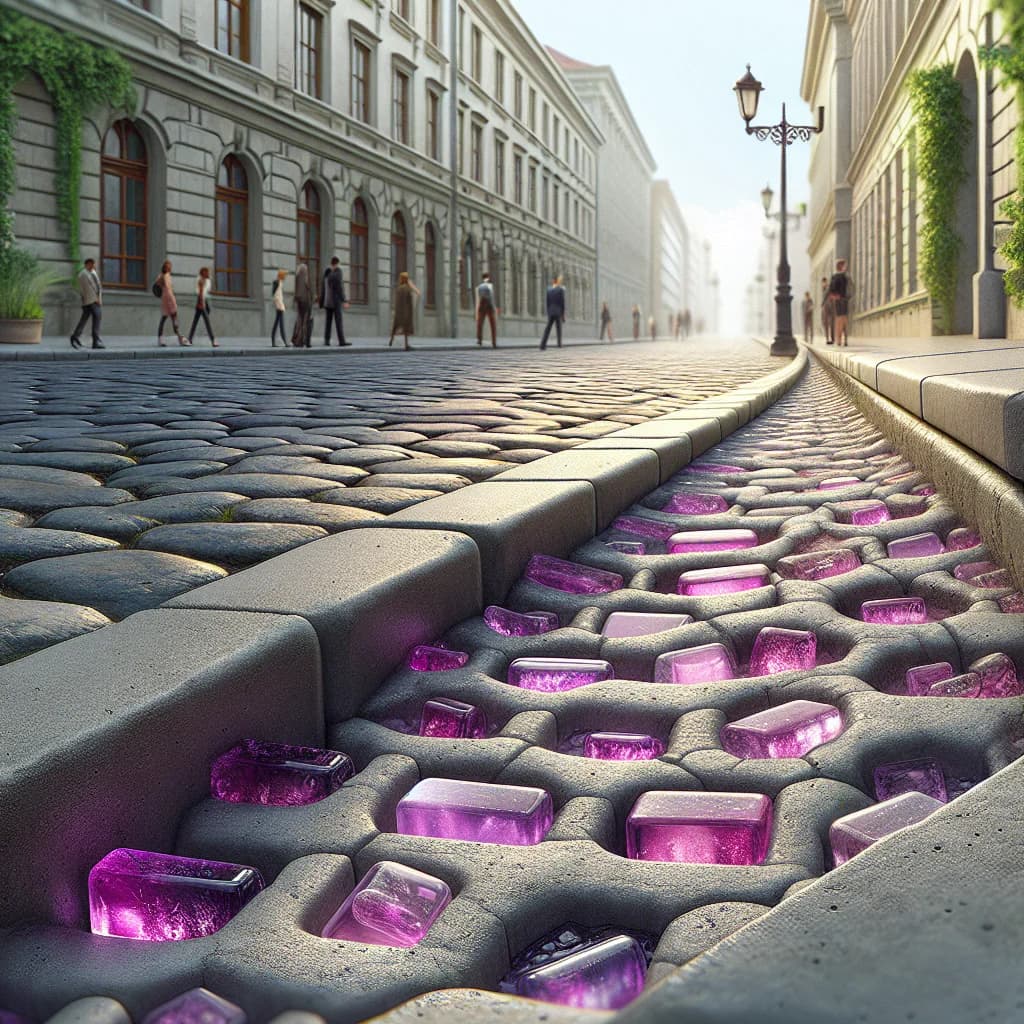
Ever wondered why some historic sidewalks are studded with mysterious, jewel-toned glass? These curious purple blocks weren't just for decoration—they once served a brilliant, hidden purpose for the world beneath your feet.

Too Long; Didn't Read
Known as vault lights, these glass prisms were installed in the late 19th century to illuminate underground basements with natural sunlight. Originally clear, the blocks turned purple over decades because the manganese used in the glass reacts to UV rays from the sun.
The Secret History of Sidewalk Vault Lights: Why do some old city sidewalks feature small purple glass blocks embedded into the concrete?
Have you ever looked down while walking through the historic district of an old city and noticed a grid of small, amethyst-colored glass squares embedded in the concrete? At first glance, they might look like intentional decorative mosaics or perhaps even a strange form of public art. However, these translucent gems—often found in cities like Seattle, Victoria, London, and New York—were not placed there for aesthetics. Instead, they represent a clever 19th-century engineering solution to a very practical problem: darkness.
These mysterious features are known as vault lights, and their distinct purple hue is a fascinating byproduct of historical chemistry. This blog post explores the origins, function, and accidental transformation of these glass prisms, explaining why do some old city sidewalks feature small purple glass blocks embedded into the concrete? and what they tell us about the evolution of urban architecture.
What are Sidewalk Vault Lights?
In the late 19th and early 20th centuries, urban space was at a premium. To maximize their square footage, many businesses built "vaults"—essentially basement extensions that stretched out underneath the public sidewalk. These subterranean spaces were used for everything from storage and shipping to actual retail space and workshops.
The challenge, however, was lighting. Before the widespread availability of reliable electricity, these underground rooms were dangerously dark. In the 1840s, inventors like Edward Thacher developed "vault lights." These were systems of glass lenses set into iron frames (and later concrete) that allowed natural sunlight to penetrate the pavement and illuminate the rooms below.
How the Technology Worked
These weren't just flat panes of glass. Engineers often used "sidewalk prisms," which were designed with a specific geometric shape on the underside. According to architectural history records, these prisms would catch the vertical sunlight and refract it horizontally, throwing light deep into the back of the basement rather than just creating a bright spot directly beneath the window.
The Chemistry of Purple: Why the Color Changed
While many of these glass blocks appear purple today, they were never intended to be that way. When they were first installed between the 1860s and the 1930s, the glass was crystal clear to ensure the maximum amount of light could pass through.
The transition from clear to purple is a result of a chemical process called "solarization." The recipe for glass during this era often included specific minerals to achieve clarity:
- Iron Impurities: Most sand used in glassmaking contains iron, which naturally gives glass a greenish tint.
- Manganese as a Decolorizer: To neutralize the green tint and make the glass appear clear, manufacturers added manganese dioxide (often referred to as "glassmaker's soap").
- Ultraviolet Exposure: Over decades of exposure to the sun’s ultraviolet (UV) rays, a chemical reaction occurs within the manganese. This reaction changes the manganese ions' oxidation state, which slowly turns the glass a distinctive shade of violet or deep purple.
Interestingly, glass produced after World War I usually contains selenium instead of manganese. Selenium-based glass does not turn purple over time, which is why older sidewalks often have more vibrant purple blocks than those installed in the 1920s.
The Decline of the Glass Sidewalk
By the mid-20th century, the installation of vault lights began to decline. Several factors contributed to their obsolescence:
- Electricity: As electric lighting became cheap, reliable, and ubiquitous, there was no longer a functional need to rely on the sun to light up a basement.
- Maintenance Issues: Glass blocks are prone to cracking and leaking. As the iron frames rusted or the concrete expanded, moisture would seep into the vaults below, causing damage to stored goods.
- Structural Integrity: Maintaining a solid concrete sidewalk is significantly easier and cheaper for a city than maintaining a fragile glass-and-iron grid.
Today, many cities have simply paved over these lights with asphalt or replaced them with standard concrete. In some areas, "shiners" (the term for the remaining glass blocks) are preserved as historical artifacts, though many are now in a state of disrepair or have been covered by metal plates for safety.
Conclusion
The presence of purple glass in our sidewalks is a beautiful accident of history. These blocks serve as a tangible reminder of a time when architects had to harness the laws of physics and chemistry to bring light into the expanding industrial city. Understanding why do some old city sidewalks feature small purple glass blocks embedded into the concrete? allows us to appreciate the ingenuity of our ancestors, who turned the very ground we walk on into a functional skylight.
While they may no longer be necessary for lighting our basements, these solarized prisms remain a beloved feature of urban heritage. The next time you spot a glimmer of violet beneath your feet, you’ll know you’re looking at a century-old engineering marvel that has been slowly transformed by the sun itself.


