
Why do some people have an outie belly button instead of an innie
Forget the myth about the doctor's technique—the real reason for an 'outie' is a surprising quirk of the healing process determined just moments after you're born.

Too Long; Didn't Read
TLDR: It has nothing to do with how the doctor cut the umbilical cord. Your belly button type is determined by how the scar tissue heals after the stump falls off. An outie is simply extra scar tissue that pokes out instead of retracting inward.
The Innie vs. Outie Debate: Why Do Some People Have an Outie Belly Button Instead of an Innie?
Have you ever wondered about the one feature everyone has, yet no two are exactly alike? We’re talking about the belly button. While an estimated 90% of the population sports an "innie," the remaining 10% have an "outie." This simple variation has sparked countless curiosities and a fair share of myths. Many people believe the shape is determined by how the doctor cuts the umbilical cord, but this is a common misconception. The truth is far more interesting and has everything to do with the natural healing process that occurs in the first few weeks of life. This post will explore the real reasons behind the outie belly button, separating fact from fiction and explaining the science behind your navel's unique shape.
First, What Exactly Is a Belly Button?
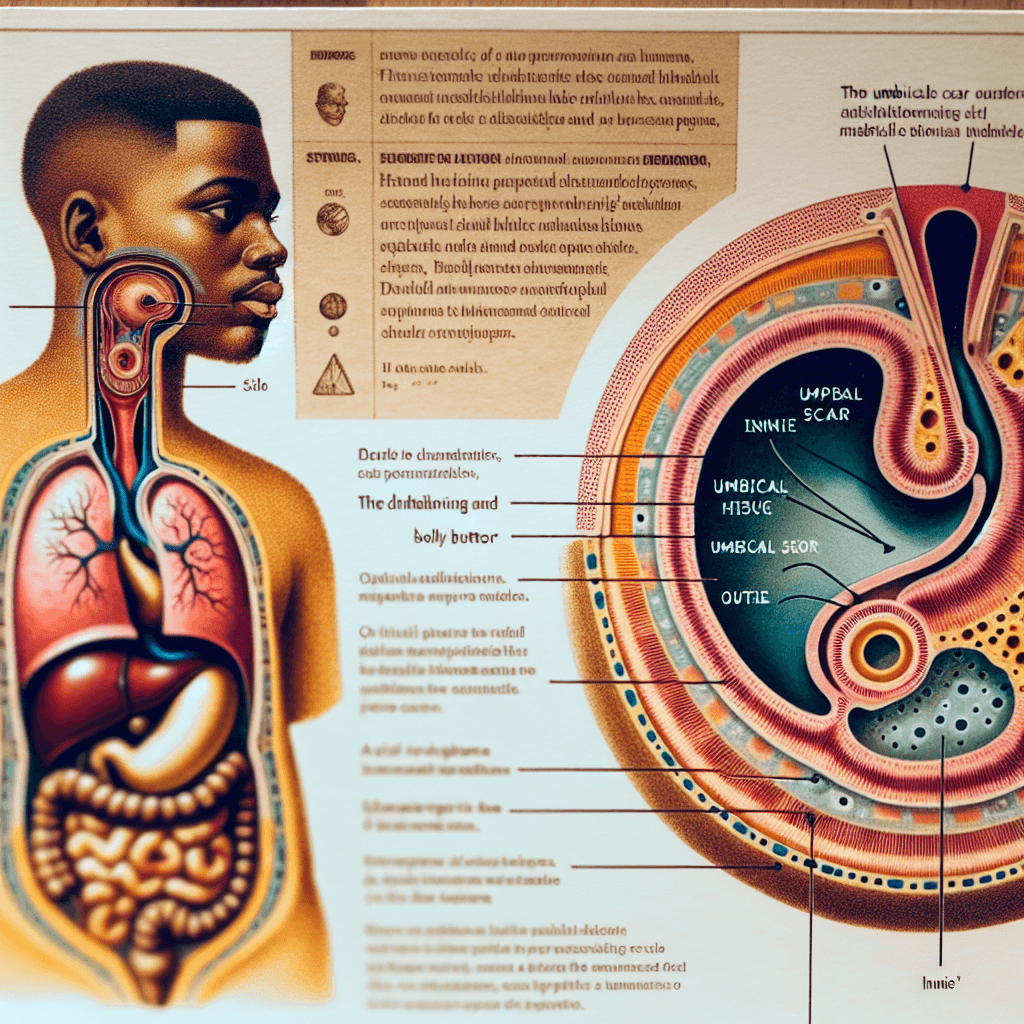
Before diving into the innie vs. outie distinction, it's helpful to understand what a belly button, or navel, truly is. It isn’t a body part you’re born with, but rather one you acquire. During pregnancy, the umbilical cord acts as a vital lifeline, connecting the developing fetus to the placenta to deliver oxygen and nutrients.
Immediately after birth, this cord is no longer needed and is clamped and cut by a doctor or midwife. This process is painless, as the cord has no nerves. What’s left attached to the newborn is a small stump of the umbilical cord. Your belly button is simply the scar that forms after this stump dries up, shrivels, and falls off, which typically happens within one to two weeks.
The Myth of the "Doctor's Cut"
A persistent myth suggests that an outie is the result of a doctor's poor snipping skills. However, the technique used to cut the cord has absolutely no bearing on whether a baby develops an innie or an outie. The shape of the navel is determined entirely by how the small wound heals and the anatomy underneath the skin after the stump detaches. The final appearance is essentially a matter of biological chance.
The Real Reasons for an Outie Belly Button
So, if it’s not the cut, what causes an outie? The protrusion is usually due to one of a few common and typically harmless conditions that occur during the healing process.
Umbilical Hernia
The most frequent cause of a true outie is a mild umbilical hernia. Here’s how it happens:
- The muscles of the abdominal wall have a small, natural opening for the umbilical cord’s blood vessels.
- After birth, this opening is supposed to close up completely.
- In some infants, the closure is delayed or incomplete. This allows a small amount of fatty tissue or even part of the intestine to push through the weak spot, creating a bulge under the skin.
This might sound alarming, but for infants, umbilical hernias are very common and almost always painless and harmless. According to Johns Hopkins Medicine, most of these hernias close on their own by the time a child is 4 or 5 years old as their abdominal muscles strengthen. The bulge may become more noticeable when the baby cries, coughs, or strains, but it typically resolves without any medical intervention.
Umbilical Granuloma
Another, less common reason for a protruding navel is an umbilical granuloma. After the cord stump falls off, sometimes a small, moist, reddish lump of scar tissue forms in the navel. This overgrowth of tissue, called a granuloma, can prevent the skin from healing over it properly, resulting in an outie-like appearance. A pediatrician can easily treat this minor issue, often with a simple application of silver nitrate to dry out the tissue.
Simple Scarring
In some cases, an outie is not caused by a hernia or granuloma at all. It can simply be the result of a little extra skin or scar tissue forming during the healing process. In these instances, the outie is purely a cosmetic variation, much like a freckle or a birthmark.
Conclusion
Ultimately, whether you have an innie or an outie is determined by the random, natural process of how your body healed its very first wound. The shape of your belly button has nothing to do with your doctor’s skills and everything to do with your individual anatomy. An outie is most often the result of a minor umbilical hernia that resolves in early childhood or a bit of extra scar tissue. It is a perfectly normal variation and a unique reminder of our very first connection to life. So, the next time you ponder the innie vs. outie debate, you’ll know the fascinating truth lies not in the cut, but in the healing.


