
Why do some people possess a genetic mutation that causes them to grow a second row of eyelashes
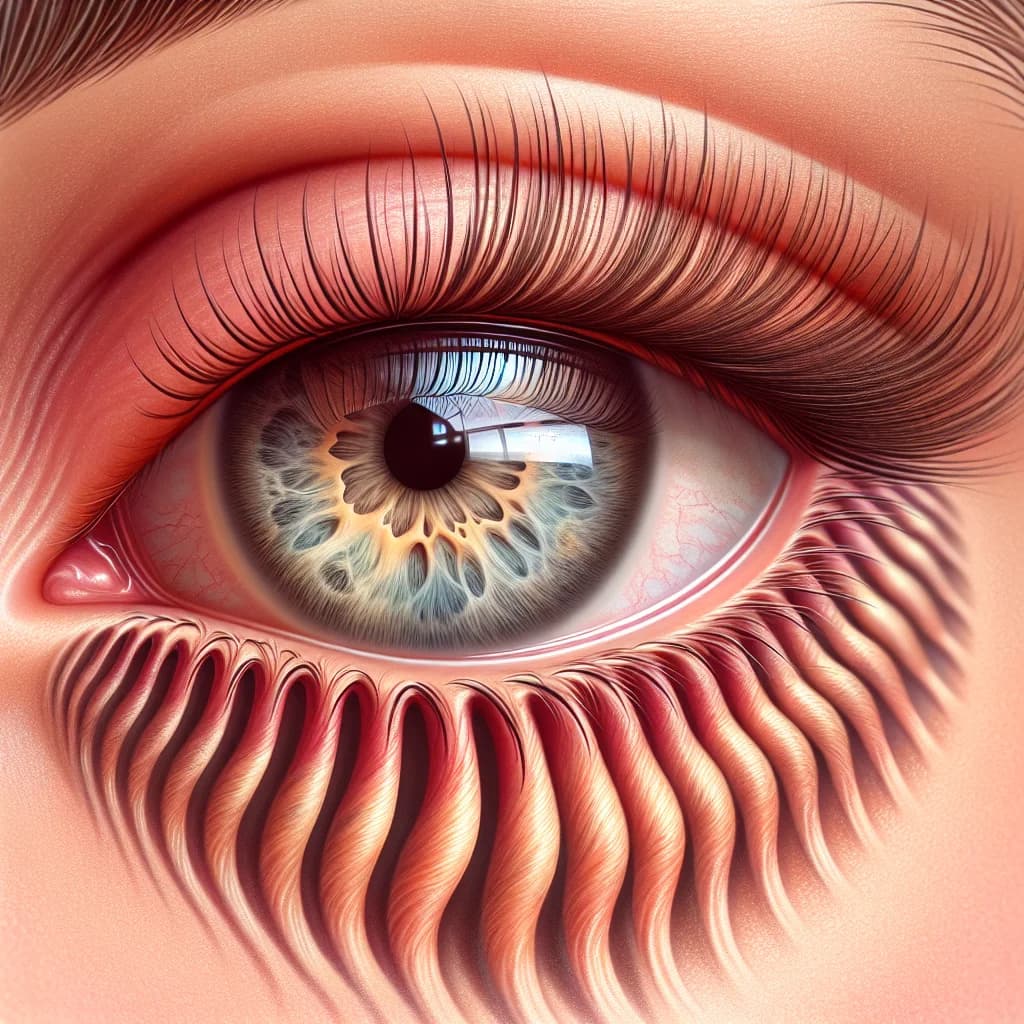
While it may look like a Hollywood makeup trick, some people are born with a rare genetic "double" that gives them two rows of eyelashes. Dive into the fascinating mystery of distichiasis and discover how a single DNA quirk can create one of nature’s most mesmerizing features.

Too Long; Didn't Read
Distichiasis is a rare genetic condition caused by a mutation in the FOXC2 gene. This mutation causes cells that would normally develop into oil glands to instead form a second row of eyelashes along the inner eyelid. While often associated with a striking appearance, the extra lashes can sometimes cause eye irritation or vision problems if they rub against the cornea.
Double the Beauty or Double the Trouble? Why do some people possess a genetic mutation that causes them to grow a second row of eyelashes?
The legendary Hollywood actress Elizabeth Taylor was world-renowned for her captivating violet eyes, but her gaze possessed another rare feature that few realized was a medical anomaly: a double row of eyelashes. While many might consider this a lucky "beauty mutation," it is actually a specific genetic condition known as distichiasis. This rare phenomenon affects a small fraction of the population, leading to questions about the biological mechanisms behind it. Why do some people possess a genetic mutation that causes them to grow a second row of eyelashes? The answer lies deep within our DNA, specifically involving the instructions that govern how our eyelids and glandular structures develop while we are still in the womb. This post explores the genetic and developmental causes of this unique trait, its symptoms, and its broader health implications.
Understanding Distichiasis: The Science of the "Double Row"
To understand why a second row of eyelashes grows, one must first look at the anatomy of the eyelid. Typically, humans have a single row of lashes on the upper and lower lids. These lashes grow from follicles located on the outer edge of the eyelid. Just behind these follicles are the Meibomian glands, which produce the oily layer of our tear film that prevents our eyes from drying out.
In individuals with distichiasis, a genetic mutation causes these Meibomian glands to "misbehave" during embryonic development. Instead of remaining purely as oil-producing glands, they partially or fully transform into hair follicles. This results in a second row of lashes—often thinner and shorter than the primary row—emerging from the inner lining of the eyelid, much closer to the eyeball itself.
The Role of the FOXC2 Gene Mutation
The primary reason why some people possess a genetic mutation that causes them to grow a second row of eyelashes is a variation in the FOXC2 gene. According to research published in the American Journal of Medical Genetics, the FOXC2 gene is a transcription factor that plays a critical role in the development of many tissues, including the lymphatic system, lungs, and eyelids.
- Autosomal Dominant Inheritance: Distichiasis is typically inherited in an autosomal dominant pattern. This means that a child only needs to inherit one copy of the mutated gene from one parent to exhibit the trait.
- The FOXC2 Function: Under normal circumstances, the FOXC2 gene ensures that specialized cells differentiate correctly. When this gene is mutated, the cellular signals that tell a Meibomian gland to stay a gland become scrambled, leading the tissue to develop as a hair follicle instead.
Lymphedema-Distichiasis Syndrome
While a second row of lashes may seem like an isolated cosmetic trait, it is frequently a component of a larger medical condition known as Lymphedema-distichiasis syndrome. Because the FOXC2 gene is heavily involved in the development of the lymphatic system, the mutation often causes other health issues.
Common characteristics associated with this syndrome include:
- Congenital Distichiasis: The presence of the extra row of lashes at birth.
- Lymphedema: Swelling, usually in the legs and feet, caused by a buildup of lymph fluid due to malformed valves in the lymphatic vessels. This typically manifests during puberty.
- Cardiac Defects: In some cases, individuals may also present with heart abnormalities or cleft palate.
Symptoms and Potential Complications
While some people, like Elizabeth Taylor, may experience no ill effects from their extra lashes, the condition is not always benign. Because the second row grows from the Meibomian glands, the lashes are positioned closer to the cornea. This can lead to several complications:
- Corneal Irritation: The extra lashes can rub against the surface of the eye, causing a constant sensation of a "foreign body" in the eye.
- Corneal Ulcers: Persistent rubbing can lead to abrasions or ulcers on the cornea, which, if left untreated, can impair vision.
- Excessive Tearing and Light Sensitivity: Chronic irritation often leads to photophobia (light sensitivity) and watery eyes.
Management of the condition varies depending on severity. Some individuals require epilation (manual removal of the lashes), while others may undergo cryotherapy (freezing the follicles) or laser treatment to permanently remove the problematic row.
Conclusion
The presence of a second row of eyelashes is a fascinating example of how a single genetic "typo" can significantly alter human anatomy. Ultimately, the reason why some people possess a genetic mutation that causes them to grow a second row of eyelashes is rooted in the mutation of the FOXC2 gene, which disrupts the normal development of the eyelid's oil glands. While this trait can create a striking aesthetic, it is often a marker for more complex lymphatic conditions that require medical monitoring. Understanding the science behind distichiasis reminds us of the delicate balance required for human development and the profound impact our genetic code has on our physical identity. If you or someone you know has this unique feature, consulting with an ophthalmologist can ensure the health of the eyes is maintained alongside their unique appearance.


