
Why do some subway systems have secret ghost stations hidden in their tunnels
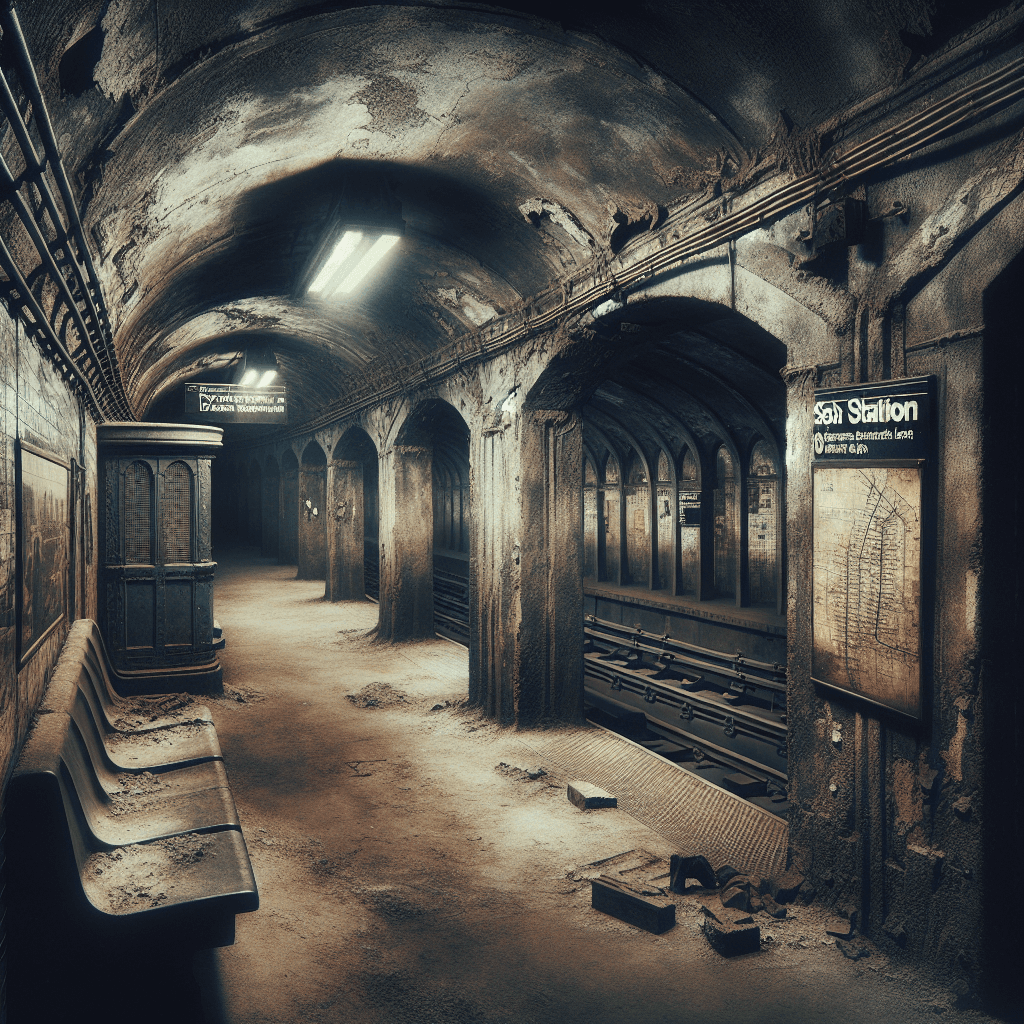
Hiding in the darkness between the stops you know are entire stations you don't—abandoned platforms and forgotten tunnels, each with a story of why it was left to decay.

Too Long; Didn't Read
TLDR: Subway ghost stations are platforms that were either closed down due to low ridership or obsolescence, or were built but never opened because of altered plans, budget cuts, or shifting city development.
Unlocking the Mystery: Why Do Some Subway Systems Have Secret Ghost Stations Hidden in Their Tunnels?
Have you ever been on a subway train as it hurtles through a dark tunnel, only to catch a fleeting glimpse of a dimly lit, abandoned platform? It’s a common experience for commuters in cities like London, New York, and Paris, sparking curiosity and urban legends. These "ghost stations" are not mythical; they are real, tangible relics of urban history, locked away from the public eye. They are silent monuments to a city’s past and its ever-changing future. This post delves into the fascinating and practical reasons why these phantom stations exist, hidden just beyond the reach of our daily commute.
The March of Progress: Rerouted Lines and System Upgrades
One of the most common reasons for a station to be abandoned is the relentless march of progress. As cities grow and technology evolves, transit networks must adapt. This often involves realigning or extending subway lines to better serve new population centers or to create more efficient, faster routes. When a section of track is rerouted, any stations along the old, now-bypassed segment become obsolete.
Demolishing a subterranean structure is an incredibly expensive, disruptive, and often dangerous undertaking. It is far more practical and cost-effective for transit authorities to simply seal off the station's entrances from the surface, turn off the lights, and let the old platforms fall silent.
A classic example is London’s Aldwych station. Originally opened in 1907 as the terminus of a short branch line, it consistently suffered from low passenger numbers. The high cost of modernizing its aging elevators sealed its fate, and it was officially closed in 1994. While trains no longer stop there, the station itself is perfectly preserved and is now frequently used as a popular filming location for movies and television shows.
Changing Urban Landscapes and Unfulfilled Ambitions
Cities are living, breathing entities that are constantly in flux. A station might be built to serve a thriving industrial district, a popular public venue, or a planned residential development. But if that district declines, the venue closes, or the planned development never materializes, the station can quickly lose its purpose.
Sometimes, ghost stations are monuments to grand plans that were never fully realized. Several cities embarked on ambitious subway projects that were halted midway due to immense financial or political hurdles.
- Cincinnati, USA: Beneath the streets of Cincinnati lies one of the largest abandoned subway systems in the world. Construction began in the early 20th century, but a combination of post-WWI inflation, the Great Depression, and the rise of the automobile brought the project to a permanent standstill. The tunnels and several basic, unfinished station shells remain as a testament to the city's unfulfilled ambitions.
- New York, USA: New York's City Hall station is arguably the most beautiful ghost station in the world. Known for its stunning tilework and elegant arches, it was the original southern terminus of the first subway line. However, its sharply curved platform could not accommodate the longer, more modern trains that were introduced to increase capacity. Deemed functionally obsolete, it was closed to the public in 1945.
Economic Realities and Simple Redundancy
Ultimately, running a subway station comes down to simple economics. Every station requires staffing, electricity, regular maintenance, and security. If a station has consistently low passenger numbers, it can become a financial drain on the transit system. This is particularly true for stations that are located very close to another, more popular station. In these cases, transit authorities may decide to close the underperforming stop to cut operational costs and streamline service, allowing trains to pass through more quickly. This was a contributing factor in the closure of many smaller, less-used stations in older systems around the world.
Conclusion
Ghost stations are more than just eerie oddities; they are physical chronicles of a city's history. They tell stories of engineering progress, shifting populations, grand civic dreams, and harsh economic realities. They represent a city’s past ambitions and the paths not taken. So, the next time your train speeds through a dark, empty platform, know that you’re not just passing an abandoned space. You're catching a rare glimpse of a hidden historical footnote, a silent reminder of the ever-evolving city that exists both above and below the ground.


