
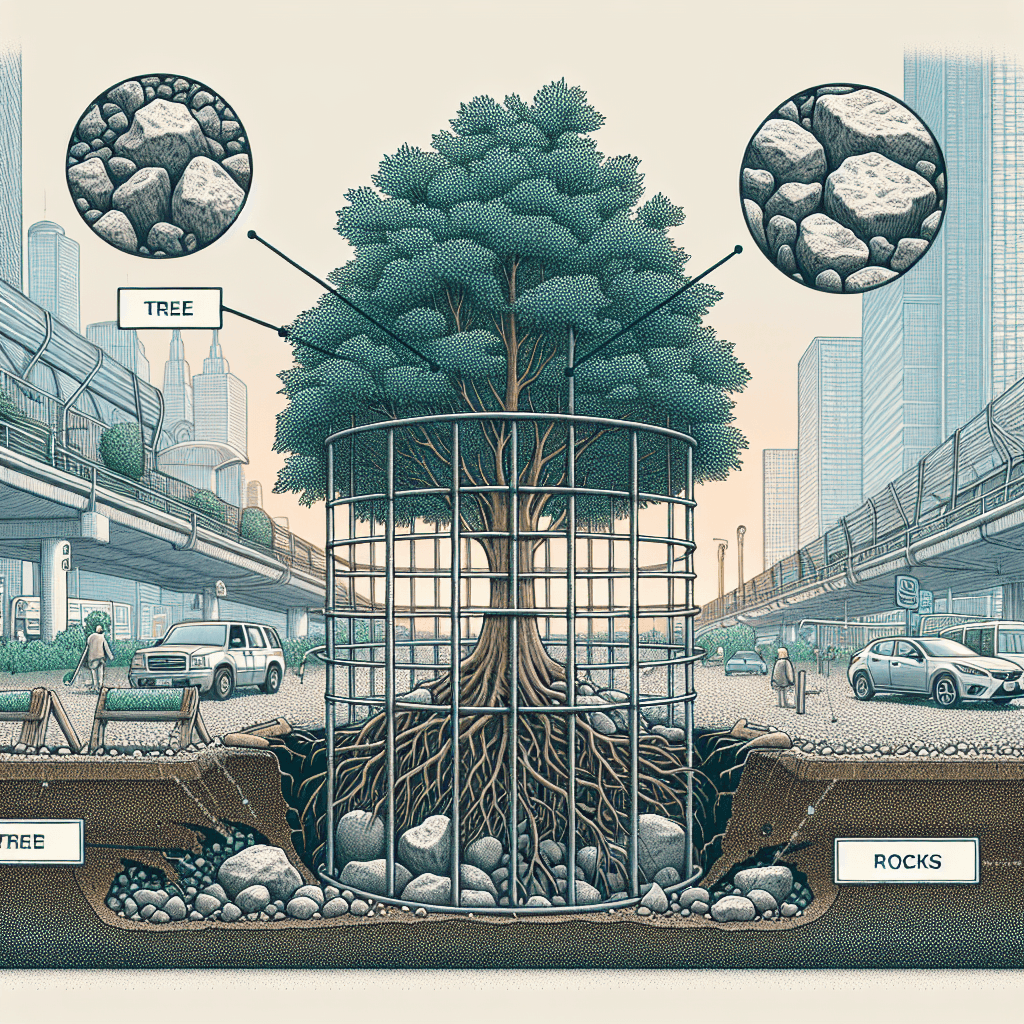
Why do some trees have a metal cage around them filled with rocks
That metal cage of rocks isn't a prison for the tree—it's a brilliant engineering solution to a surprising urban problem.

Too Long; Didn't Read
TLDR: The rock-filled cages protect trees from damage by cars, foot traffic, and lawnmowers. They also prevent soil compaction, allowing crucial water and air to reach the roots while providing structural support.
Gabions and Greenery: The Real Reason Why Some Trees Have a Metal Cage Around Them Filled with Rocks?
Have you ever walked through a modern park or newly developed urban area and noticed something peculiar? A young tree, standing proudly, but surrounded by a sturdy wire cage packed with rocks. It’s a common sight in contemporary landscaping, but it often leaves passersby wondering: is it for decoration, protection, or something else entirely? The answer is all of the above. These structures are far more than just trendy rock boxes.
This blog post will demystify these rock-filled cages, explaining what they are, the crucial functions they serve, and why they are becoming an indispensable tool for helping trees thrive in the harsh conditions of our cities.
Introducing the Gabion: More Than Just a Rock Box
That metal cage filled with rocks has a name: a gabion. The term comes from the Italian word gabbione, meaning "big cage." A gabion is simply a welded wire mesh or woven wire container that is filled with durable, inorganic materials like rock, stone, or sometimes crushed concrete.
While they may look like a modern invention, gabions have a long history in civil engineering, dating back centuries where they were used to build retaining walls, riverbank reinforcements, and even military fortifications. Today, landscape architects and urban planners have adopted this time-tested technology for a new purpose: supporting urban greenery.
Why Surround a Tree with a Gabion? Protection, Stability, and More
Placing a gabion around a tree is a strategic decision that addresses several challenges trees face in urban environments. Their purpose is multi-faceted, combining protection, structural support, and environmental management into one neat package.
### 1. Ultimate Root and Trunk Protection
Life is tough for a city tree. Constant foot traffic, accidental bumps from cars or maintenance equipment, and vandalism can all take a toll. A gabion acts as a formidable suit of armor.
- Impact Shield: It provides a robust physical barrier that protects the tree's vulnerable bark and trunk from damage.
- Prevents Soil Compaction: One of the biggest threats to urban trees is soil compaction. When soil around a tree's base is constantly walked on or driven over, it becomes dense, squeezing out the air and water pockets that roots need to breathe and grow. The gabion establishes a clear "no-go" zone, preserving the loose, healthy soil structure within its perimeter.
### 2. Soil Retention and Erosion Control
Gabions are masters of holding ground, literally. When a tree is planted on a slope, in a raised bed, or on an embankment, there is a high risk of soil erosion. Heavy rain can easily wash away the vital topsoil, exposing the tree's roots. The gabion wall effectively contains the soil, keeping the tree securely planted and its root system covered.
### 3. Superior Water Management
Unlike a solid concrete or plastic planter, a gabion is permeable. The gaps between the rocks allow for excellent drainage and aeration. This is crucial for tree health for two key reasons:
- Proper Drainage: It allows excess water to drain away freely, preventing the roots from becoming waterlogged, which can lead to root rot.
- Passive Irrigation: It allows rainwater and air to easily penetrate the soil and reach the root zone, creating a healthier growing environment. This design is often integrated into larger Sustainable Urban Drainage Systems (SuDS) that manage stormwater runoff effectively.
### 4. A Durable and Stylish Planter
Finally, gabions serve an aesthetic purpose. They create a defined, raised planting bed with a modern, industrial-chic look that complements many urban designs. They are exceptionally durable, resistant to weathering and decay, and require very little maintenance compared to traditional wooden or concrete planters that can crack or rot over time.
Conclusion: A Clever Cage for a Healthier City
So, the next time you see a tree inside a metal cage filled with rocks, you’ll know it's not a prison, but a cleverly designed life-support system. These gabions are a testament to smart, functional design, providing critical protection from physical damage and soil compaction while ensuring the tree has the stable, well-drained environment it needs to grow strong.
By blending the principles of ancient engineering with modern horticulture, gabions play a vital role in keeping our urban landscapes green. They are a powerful tool helping ensure that the trees planted today will grow to become the beautiful, mature canopy of tomorrow.


