
Why do we call them piggy banks if the name originally referred to a cheap type of clay
Ever wonder why we trust a ceramic farm animal with our spare change? Discover the centuries-old linguistic accident that transformed a cheap, orange clay into the world’s most iconic way to save.

Too Long; Didn't Read
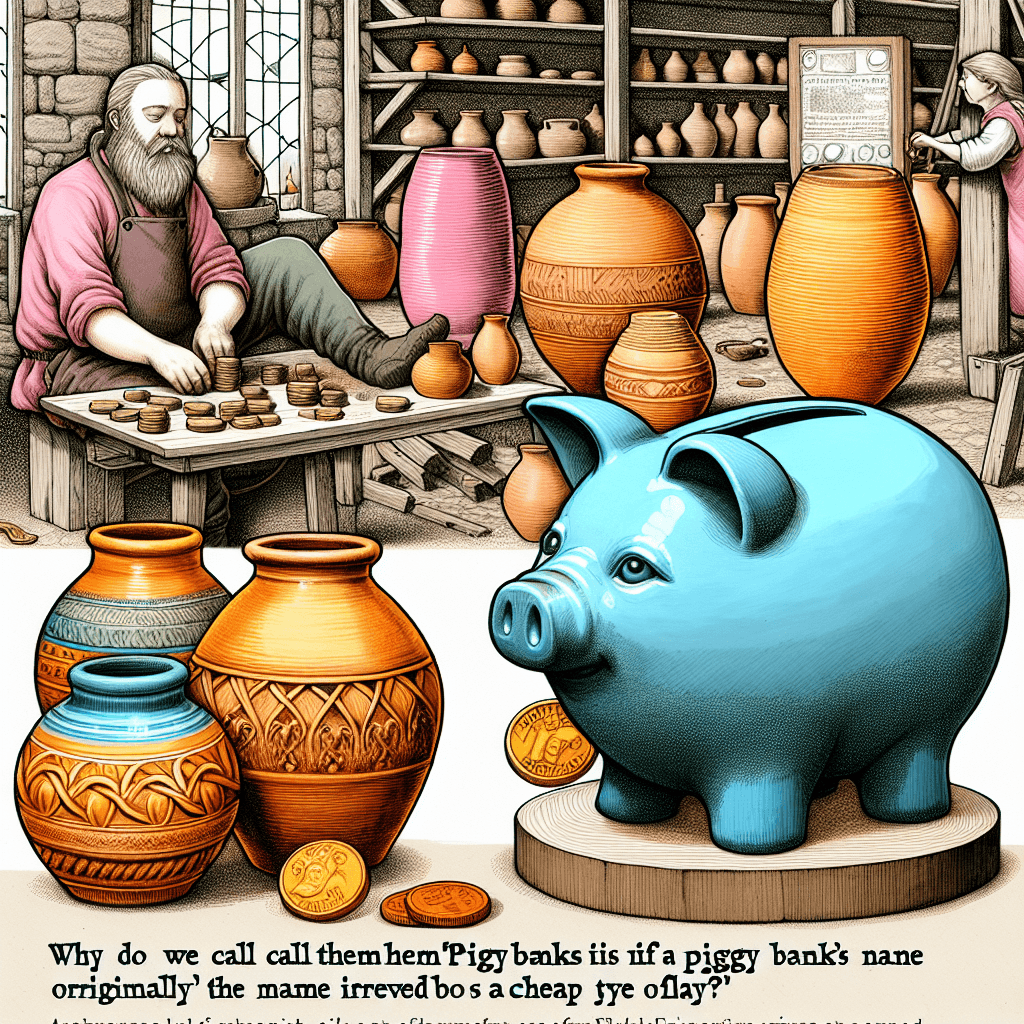
Piggy banks are named after pygg, an affordable orange clay used for jars in the Middle Ages. Because the name sounded like the animal, potters began crafting them into pig shapes as a clever pun.
From Clay Jars to Swine Statues: Why Do We Call Them Piggy Banks if the Name Originally Referred to a Cheap Type of Clay?
Have you ever stopped to wonder why, of all the animals in the kingdom, we chose the pig to guard our spare change? It seems an odd choice for a financial guardian. We don't drop coins into "financial lions" or "savings eagles," yet the humble ceramic swine is a universal symbol of thrift. The answer to this mystery lies not in the habits of the animal itself, but in a fascinating linguistic coincidence involving a specific type of earth. Understanding why do we call them piggy banks if the name originally referred to a cheap type of clay requires a journey back to the Middle Ages, where a simple misunderstanding between a material and a mammal forever changed how we save our pennies.
The Material Roots: What is "Pygg"?
In the 15th century, long before modern plastic or metal safes, people in Western Europe needed a way to store their meager savings. During this era, metal was expensive and reserved for weaponry or fine jewelry. For everyday household items like plates, bottles, and jars, people turned to a cheap, orange-colored clay.
This specific type of earthenware was known as "pygg" (pronounced "pug"). Because it was affordable and durable, "pygg" was the go-to material for creating household containers. When people had a few extra coins to set aside, they would drop them into these earthen jars. These containers became known as "pygg jars" or "pygg pots." At this stage in history, the name referred strictly to the material the jar was made from, and the jars themselves looked nothing like the animals we recognize today.
A Linguistic Coincidence: From Pygg to Pig
Language is a living entity, constantly evolving through shifts in pronunciation and spelling. Over the centuries, the Middle English word "pygg" and the word for the animal "pig" began to sound identical. According to etymological research, as the English language transitioned into its modern form, the distinction between the clay "pygg" and the farm animal "pig" blurred in the minds of the public.
By the 18th century, the term "pygg jar" had evolved into "pig bank" in common parlance. This linguistic shift created a unique opportunity for potters. As the story goes, an English potter received a request to create a "pygg" bank. Whether as a joke, a misunderstanding, or a clever marketing ploy, the potter shaped the bank like an actual pig.
Why the Shape Stuck
The visual pun of a pig-shaped bank made of "pygg" clay was an instant hit. The design transition was successful for several reasons:
- Visual Appeal: A pig-shaped jar was far more charming and marketable than a plain clay pot.
- The "Fatness" Symbolism: Pigs are traditionally associated with being well-fed and "stout," which served as an excellent metaphor for a bank that was "full" of wealth.
- Ease of Production: The rounded body of a pig is naturally suited to the shape of a hand-thrown clay pot.
Global Parallels and Historical Context
While the "pygg clay" theory is the most widely accepted explanation for the Western piggy bank, historical evidence suggests that the concept of swine-shaped savings may have appeared elsewhere independently.
For instance, archeologists have discovered terracotta pig-shaped banks in Indonesia dating back to the 14th-century Majapahit Empire. These "celengan" (a word derived from the Javanese word for wild boar) suggest that the association between pigs and prosperity might be a cross-cultural phenomenon. In many cultures, the pig represents fertility and abundance, making it a natural choice for a vessel meant to grow one's wealth. However, for the English-speaking world, the "pygg" clay origin remains the primary driver of the name.
Conclusion
The piggy bank stands as a remarkable example of how a simple linguistic evolution can manifest into a physical cultural icon. Why do we call them piggy banks if the name originally referred to a cheap type of clay? Because a happy accident of language turned a utilitarian "pygg" jar into a playful "pig" statue.
This evolution from an orange earthenware material to a globally recognized symbol of financial literacy reminds us that history is often shaped by the mundane. The next time you drop a coin into a ceramic swine, you aren't just saving money; you are participating in a 600-year-old pun that bridged the gap between medieval pottery and modern thrift. Whether you are a collector of vintage banks or teaching a child the value of a dollar, the piggy bank remains a testament to the enduring power of a good story—and a clever play on words.


